

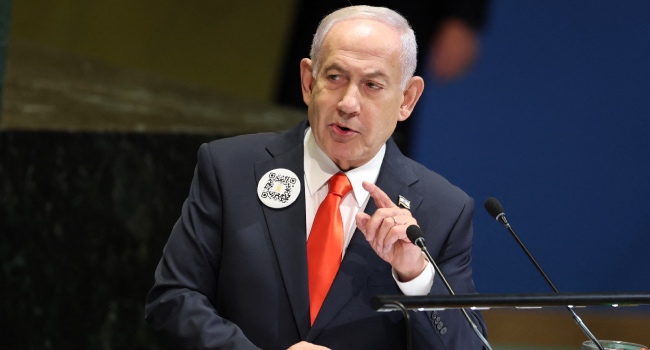
Israeli Prime Minister Benjamin Netanyahu, who is currently on trial for corruption, announced on Sunday that he has submitted a request for a presidential pardon, citing the divisive impact of the ongoing legal proceedings on the nation.
Earlier this month, US President Donald Trump reportedly wrote to Israeli President Isaac Herzog, urging him to pardon Netanyahu. The Prime Minister, who has consistently denied wrongdoing, said in a video statement that the long-running trial had become a source of deep national discord.

“The trial in my case has been ongoing for nearly six years and is expected to continue for many more,” Netanyahu said, without admitting guilt.
“While I wish to see the process through until acquittal, the security and political realities—the national interest—demand otherwise. The continuation of the trial is tearing us apart, fueling divisions, and intensifying rifts,” he added.

The cases against Netanyahu have highlighted a stark divide in Israeli society between his supporters and critics. His backers argue that the trials are politically motivated.
Netanyahu and his wife, Sara, face allegations of receiving over $260,000 in luxury gifts—including cigars, jewellery, and champagne—from wealthy benefactors in exchange for political favors. In separate cases, he is accused of attempting to secure more favorable media coverage from two Israeli outlets.
‘Extraordinary Request’
Netanyahu noted that being required to testify three times a week had become “an impossible burden.” He said ending the trial promptly would help reduce tensions and foster national reconciliation.
The pardon request was accompanied by a 111-page letter from Netanyahu’s lawyers, which, like the Prime Minister’s statement, did not admit guilt. Herzog’s office confirmed receipt of the petition, calling it “an extraordinary request with significant implications.” The President said he would consider the matter carefully after reviewing all relevant opinions.
In September, Herzog suggested he might grant a pardon, acknowledging the strain Netanyahu’s case has placed on Israeli society.

Netanyahu, 76, is Israel’s longest-serving Prime Minister, with more than 18 years in office across three terms since 1996. His current tenure saw the introduction of controversial judicial reforms, which critics say were intended to weaken the courts and triggered widespread protests, subdued only after the outbreak of the Gaza conflict in October 2023. Netanyahu has stated his intention to run in the next elections, scheduled before the end of 2026.
Reactions and Controversy
Legal experts have described the timing of Netanyahu’s request—coming shortly after Trump’s letter to Herzog—as a coordinated move. Herzog’s decision could take weeks and, if granted, might face challenges in the Supreme Court. Israeli law allows pardons only for convicted individuals. Analysts suggest that a denial could make a plea bargain a more likely option for Netanyahu, which he has previously resisted.

Opposition figures, including Yair Lapid and Democrats leader Yair Golan, have criticized the request, insisting a pardon should require an admission of guilt and withdrawal from political life. “Only the guilty seek pardon,” Golan said.
However, senior ministers have voiced support. Defence Minister Israel Katz said a pardon could help heal the “deep rift” in Israeli society, while Finance Minister Bezalel Smotrich claimed Netanyahu has been unfairly targeted by a biased judicial system.

Public Response
Netanyahu is the first sitting Israeli Prime Minister to face a corruption trial. Former Premier Ehud Olmert was investigated but resigned before his conviction, later serving 27 months in prison for fraud.

Protests erupted outside President Herzog’s residence in Tel Aviv, with demonstrators urging him to reject the pardon. Anti-government activist Shikma Bressler warned that Netanyahu’s actions threaten the judiciary, while others accused him of trying to evade justice. “If the law is undermined, it could mark the end of Israeli democracy,” said Ami Dror.




