

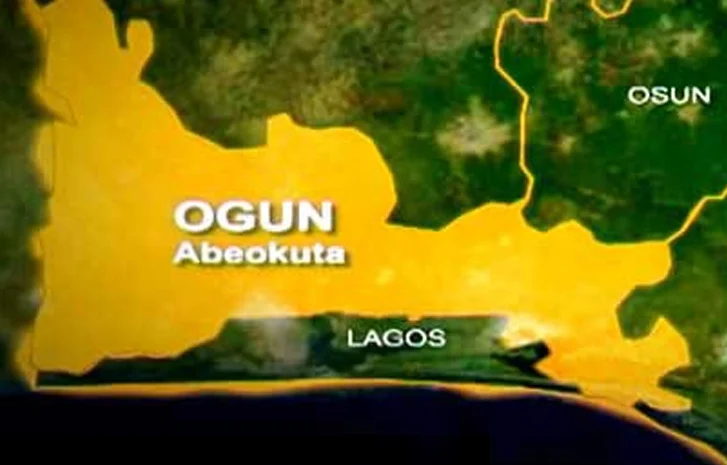
Ogun State is expanding investigations into alleged lead contamination in Ogijo, following a November 18, 2025 report by The New York Times linking local recycling factories to widespread pollution.
Speaking on TV Continental’s Your View, State Commissioner for Environment Ola Oresanya said previous tests—70 samples from over 11,000 residents—were insufficient. The government now plans to test around 500 people, including residents, factory workers, and suppliers. Participation is voluntary and free, with independent international bodies assisting. Soil and air samples will also be analyzed, and all results will be made public.
Oresanya traced Ogijo’s industrial sprawl to unplanned factory migration from Lagos in the 1980s, noting that many industries settled there without proper environmental controls. “There is hardly anything you don’t recycle in Ogijo—plastic, batteries, tyres. The community is a cluster of industries. Ogijo is accidental,” he said.
Some metal factories, previously shut down for high pollution levels, have now committed to installing pollution-abatement devices, with a moratorium lasting until March 2026.
The commissioner also highlighted a social dilemma: many residents work in the very factories causing pollution and often oppose closures. “Even when we threaten to shut the factories, residents plead, saying, ‘Where will we go?’” he said.
The NYT report described Ogijo as having “more lead recycling factories than anywhere else in Africa”, with smoke-filled skies and residents showing symptoms consistent with lead poisoning. Joint testing by The NYT, The Examination, and Nigerian group SRADev found that seven out of 10 residents had harmful lead levels, with all factory workers affected.



