

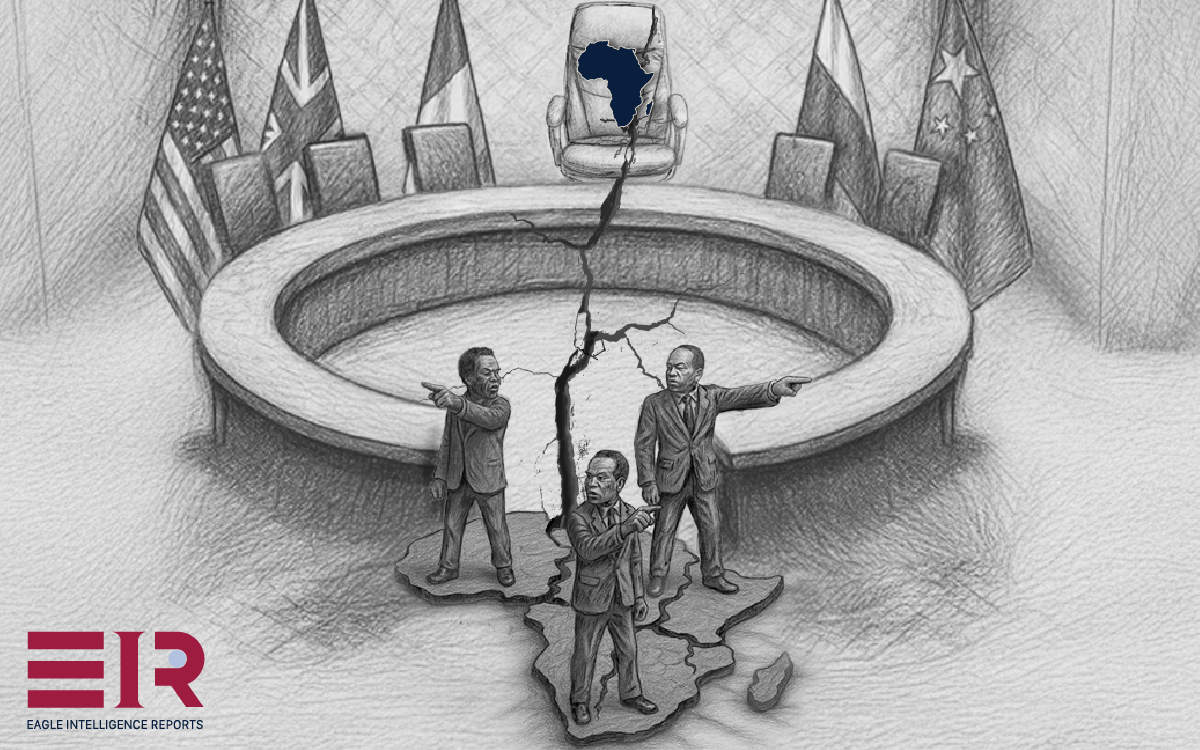
Africa’s UNSC Ambition Faces a Test of Credibility Amid Internal Divisions.
Africa is often described as the continent of the future, rich in resources, demographic strength, and long-term growth potential. With this promise comes rising ambition for a stronger role in global decision-making, including a long-standing demand for permanent representation on the United Nations Security Council (UNSC). Yet as Africa presses its case, persistent conflicts, governance challenges, and internal rivalries are raising questions about whether the continent is institutionally prepared to shoulder such responsibility.
Promise Meets Reality.
While African leaders continue to project confidence on the global stage, deep-rooted challenges at home complicate the narrative. Prolonged conflicts, weak governance structures, and political instability in several regions continue to undermine collective credibility. Observers argue that without meaningful progress on peace, security, and democratic governance, Africa’s global ambitions risk remaining symbolic rather than substantive.

Central to this challenge is the need for consensus. The African Union (AU), made up of 55 member states, must consistently demonstrate unity and effectiveness on regional issues before advancing stronger claims in global forums. Fragmentation within the continent weakens its bargaining power and clouds its demand for institutional reform at the UN level.
The Ezulwini Consensus and Stalled Reform.
Africa’s official position on UNSC reform is anchored in the Ezulwini Consensus, adopted in 2005. The framework calls for two permanent seats with veto power and five additional non-permanent seats for Africa. Although reaffirmed at every AU summit since its adoption, the proposal has made little progress due to internal disagreements and resistance from existing permanent members of the Security Council.
Support from global powers has largely remained rhetorical. While countries such as the United States and France have acknowledged Africa’s concerns, they have not taken decisive steps to push for reform, leaving the issue stalled in diplomatic negotiations.

Sahel Instability Raises Fresh Doubts.
The ongoing instability in the Sahel—particularly in Mali, Burkina Faso, and Niger—has intensified scrutiny of Africa’s UNSC bid. Military takeovers, the withdrawal of some Sahel states from ECOWAS, and allegations of foreign interference have exposed the limits of regional conflict-management mechanisms.
Unverified accusations by Sahelian leaders against foreign and regional actors have further strained diplomatic relations, highlighting divisions within Africa and raising concerns about the continent’s capacity to independently resolve security crises. Analysts see the Sahel as a critical test of Africa’s readiness to assume a permanent role in global peace and security governance.
Governance and Legitimacy Concerns
Human rights advocates and policy experts argue that weak institutions and democratic deficits undermine Africa’s moral authority on the world stage. Despite the continent’s significant contributions to UN peacekeeping missions, recurring governance failures and unresolved conflicts in countries such as Somalia, Chad, and the Central African Republic continue to erode confidence in Africa’s collective leadership.
These internal challenges often prevent African states from speaking with one voice, a requirement for effective representation at the UNSC level.

Leadership Rivalries Complicate Unity
Internal competition among leading African states—including Nigeria, South Africa, and Egypt—adds another layer of complexity. Each country brings regional influence and diplomatic weight, yet differing foreign policy priorities and domestic challenges have made consensus difficult.
Proposals such as a rotational representation system for Africa at the UNSC have been floated as a way to manage rivalries, though such ideas would require innovative restructuring of the current UNSC framework and strong internal agreement.
Aspiration Versus Readiness
The push for UNSC reform reflects Africa’s desire for fairness and inclusion in a system still shaped by post–World War II power dynamics. However, critics argue that legitimacy must come before representation. Without stronger regional institutions, effective conflict resolution mechanisms, and improved governance, Africa’s case remains vulnerable to skepticism.
Closing the Credibility Gap
Experts agree that Africa’s global ambitions must be matched by internal reform. Strengthening the AU’s enforcement capacity, deepening regional cooperation, and resolving ongoing conflicts are seen as essential steps toward building credibility.
Until Africa demonstrates a sustained ability to manage its political and security challenges from within, its quest for a permanent seat on the UNSC is likely to remain an aspiration rather than an achievement.




