

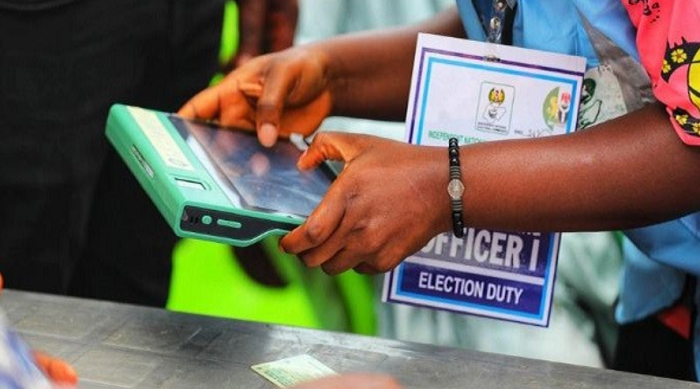
The controversy surrounding the Electoral Act (Amendment) Bill 2026 has been partially resolved, as the Senate yesterday endorsed electronic transmission of election results, though without the previously proposed “real-time” provision.
The Senate passed the Votes and Proceedings of the bill’s third reading, which took place on February 4, but the version approved differed from that of the House of Representatives. As a result, a conference committee of both chambers will harmonise the two versions before final approval and presidential assent.

The revised Section 60(3) now states:
“The Presiding Officer shall electronically transmit results from each polling unit to the INEC Result Viewing Portal, after completing, signing, and stamping Form EC8A, and countersigning by candidates or polling agents where available. If electronic transmission fails due to communication issues, the signed Form EC8A shall serve as the primary source for collation and declaration of results.”
This contrasts with the House version, which mandates real-time electronic transmission to the IREV portal, simultaneous with physical collation. Section 60(5) of the House bill also details that presiding officers transmit results, including accredited voter numbers, to the next collation level.

Ahead of the Senate session, protesters, including former Governor Chibuike Amaechi, gathered outside the National Assembly demanding real-time electronic transmission. The police prevented them from entering the complex.
Inside the chamber, Senate President Godswill Akpabio presided over heated debates before the Senate modified its position to allow electronic transmission with a fallback to Form EC8A for network failures. The motion was moved by Senate Chief Whip Mohammed Tahir Monguno, seconded by Senator Abba Moro, and passed by voice vote despite procedural challenges from some senators, including Enyinnaya Abaribe.

Following the vote, the Senate expanded its conference committee from nine to 12 members to match the House conferees. The committee is chaired by Senator Simon Bako Lalong and includes notable senators such as Monguno, Abba Moro, Orji Uzor Kalu, and others. Akpabio expressed optimism that harmonisation could be completed swiftly, allowing the President to sign the bill this month.
Former Vice President Atiku Abubakar welcomed the use of electronic transmission but expressed concerns that the absence of real-time transmission may limit its effectiveness. He called on opposition parties to challenge the Senate’s decision.
The African Democratic Party (ADP) warned that public distrust may persist if mandatory real-time transmission is not implemented, while the African Democratic Congress (ADC) described the Senate’s modified position as a victory for civic action and public vigilance.

Former NBA President Dr. Olisa Agbakoba (SAN) stressed that legal backing is crucial for electronic transmission, noting that during the 2023 elections, the IREV portal lacked statutory force and was not admissible in election petitions.
Meanwhile, the Tanimu Turaki-led faction of the PDP rejected the Senate’s compromise, describing the manual fallback as a “backdoor attempt” to undermine real-time transmission. The party urged the Conference Committee to adopt the House version to ensure credible elections in 2027, warning that failure to do so would compromise Nigeria’s democracy.




