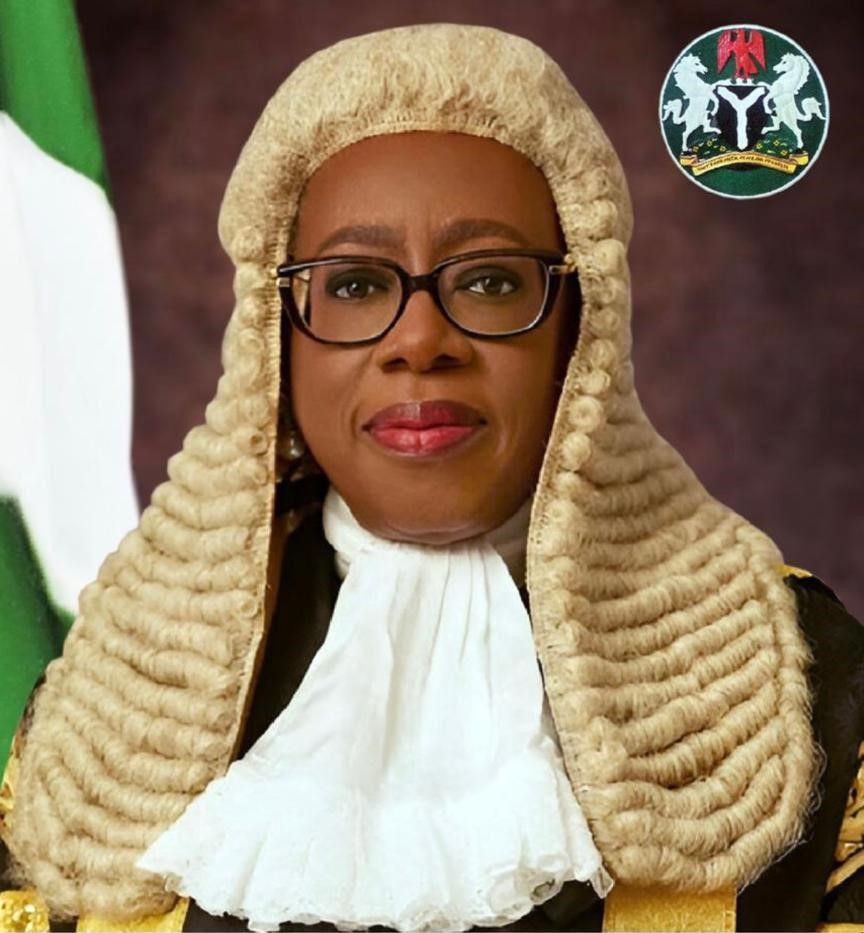
SPECIAL EDITORIAL SERIES. ©️
Public Order, Protest and Police Powers: The Sowore Verdict and the Future of Lawful Enforcement.
Editorial Foreword:
At the heart of every democracy lies a delicate balance: the protection of civil liberties and the preservation of public order.
The recent Federal High Court judgment awarding damages to Omoyele Sowore following his declaration as “wanted” by the Nigeria Police Force has ignited a national debate that transcends personalities.
This series examines the legal, institutional, economic, and constitutional implications of that ruling.
The core question is simple but consequential: When protest disrupts critical infrastructure and lawful police invitations are ignored, does the state have the authority to act decisively?
Headlinenews.news presents this special editorial package in the national interest.
1. Police Acted Lawfully, Court Ruling Sends Wrong Signal on Public Order.
Excerpt:
The Police acted within statutory authority after repeated refusal by a suspect to honour lawful invitations.
Awarding damages in such circumstances risks signalling that obstructing critical infrastructure carries limited consequence.
This debate is not about personality—it is about precedent.
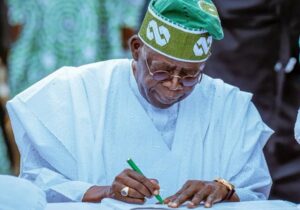
Quote – President Bola Ahmed Tinubu:
“Freedom must operate within the framework of responsibility and national security.”
Headlinenews.news Comment:
Public order is fragile. Judicial outcomes must reinforce lawful enforcement mechanisms.
2. Police Within Their Powers: Verdict Risks Weakening Law Enforcement.
Excerpt:
Sections of the Police Act 2020 empower the Force to prevent crime, protect life and property, and declare suspects wanted where necessary for investigation.
Diluting this authority risks emboldening deliberate disruption.
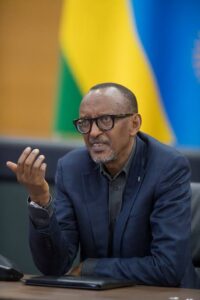
Quote – Paul Kagame:
“Stability is not accidental; it is protected.”
Headlinenews.news Comment:
Institutions endure when their lawful powers are respected.
3. Sowore Verdict May Embolden Future Bridge Blockades.
Excerpt:
Blocking the Third Mainland Bridge disrupted commerce, emergency services, and civilian movement. In the United Kingdom, deliberate obstruction of major highways is treated as a criminal offence, with organisers facing prosecution and possible imprisonment—not compensation.
A contrary precedent risks encouraging infrastructure paralysis under activist cover.
Quote – African Union Peace & Security Council:
“Public order is the foundation upon which democratic freedoms are exercised.”

Headlinenews.news Comment:
Democracy protects protest—not paralysis.
4. Public Order at Stake: Police Action Justified, Verdict Questioned.
Excerpt:
Sections 39 and 40 of the Constitution guarantee expression and assembly. Section 45 permits restriction in the interest of public safety and order. When protest obstructs a commercial artery serving millions, intervention becomes lawful and necessary.
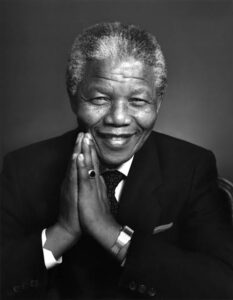
Quote – Nelson Mandela:
“Freedom is not merely to cast off one’s chains, but to live in a way that respects and enhances the freedom of others.”
Headlinenews.news Comment:
Rights coexist. One group’s protest cannot extinguish another’s liberty.
5. Sowore Judgment Tests Limits of Protest and Responsibility.
Excerpt:
Where protest obstructs emergency access and economic life, constitutional protection narrows. Responsibility must accompany rights.
Quote – Princess Gloria Adebajo-Fraser, MFR:
“Governance and liberty must move together; where order collapses, both suffer.”

Headlinenews.news Comment:
Accountability sustains credible democracy.
6. Rule of Law or Reward for Disorder? Debate Follows Court Decision.
Excerpt:
Awarding damages after a lawful investigative declaration risks weakening deterrence.
The rule of law must balance liberty with enforcement authority.
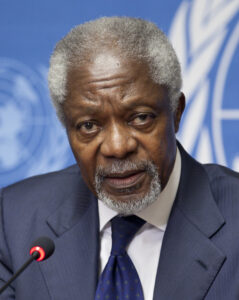
Quote – Kofi Annan:
“There is no development without security, and no security without rule of law.”
Headlinenews.news Comment:
Tilt too far either way, and institutional balance is lost.
7. Security vs. Disruption: Why the Police Acted Within Their Mandate.
Excerpt:
Intelligence suggested potential escalation beyond symbolic protest. Preventive policing—grounded in statute—is foresight, not repression.
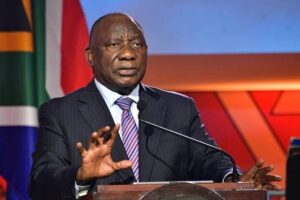
Quote – Cyril Ramaphosa:
“Security and constitutional rights must reinforce each other.”
Headlinenews.news Comment:
Preventive action often appears controversial—until inaction proves catastrophic.
8. When Enforcement Is Punished: Why the Sowore Judgment Raises Concern.
Excerpt:
If lawful enforcement steps attract penalties, operational morale weakens and calculated defiance flourishes.
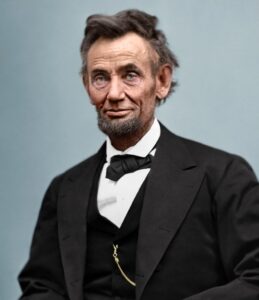
Quote – Abraham Lincoln:
“Laws without enforcement are but advice.”
Headlinenews.news Comment:
Authority restrained by law is democracy. Authority stripped of tools invites disorder.
9. Judgment Under Scrutiny as Police Powers Face Judicial Reversal.
Excerpt:
The appellate process must clarify whether statutory policing tools remain effective. Beyond individuals, this is about safeguarding institutional equilibrium.
Quote – UN Office on Drugs and Crime (UNODC):
“Effective policing requires both accountability and authority.”

Headlinenews.news Comment:
Authority and accountability must coexist—not compete.
10. Lawful Policing Undermined? Implications of the Sowore Damages Award.
Excerpt:
Preventive law enforcement powers exist to deter escalation. Undermining them risks encouraging obstructionist tactics that imperil economic and civic stability.
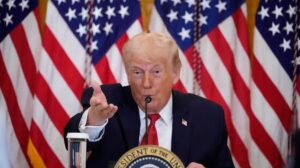
Quote – Donald J. Trump:
“Without law and order, there is no freedom.”
Headlinenews.news Comment:
Law enforcement authority is foundational, not ornamental.
11. Safeguarding Order: Why the Sowore Verdict Demands Appellate Review.
Excerpt:
Section 45 of the Constitution provides clear grounds for restricting rights in the interest of public order. Appellate review is essential to clarify boundaries and prevent unintended precedent.
Quote – Margaret Thatcher:
“The first duty of government is to uphold the rule of law.”

Headlinenews.news Comment:
Appeal is constitutional correction—not confrontation.
12. Police Defended Lagos Artery, Judgment Rewards Disruption.
Excerpt:
The Third Mainland Bridge is not merely a road—it is the economic lifeline connecting Lagos Mainland to Victoria Island and Ikoyi. When protesters obstructed this strategic artery, commerce stalled, emergency movement was hindered, and public safety was jeopardised.
The Police intervened within their constitutional mandate to restore order. A damages award in such circumstances risks normalising deliberate infrastructure disruption under the banner of activism, potentially incentivising similar high-impact blockades nationwide.
Quote – National Patriots Movement:
“National interest demands that liberty be exercised responsibly. When protest cripples economic arteries and endangers lives, the state must act decisively to preserve order, stability, and the collective good.”

Headlinenews.news
Comment:
Critical infrastructure cannot become bargaining chips in political theatre. Order preserved lawfully is democracy protected.
Closing Editorial Reflection
This debate is not about suppressing dissent. It is about defining its lawful boundaries. Democracies thrive when protest is protected—but they survive when order is preserved.
The appellate courts now hold the responsibility of recalibrating that balance.
Dr. Imran Khazaly.
Headlinenews.news Special Report.

It is evident from this video that the blockade of the Third Mainland Bridge went beyond peaceful protest and crossed into unlawful obstruction of a critical public artery.
The footage shows CP Olohundare Jimoh calmly appealing to protesters, reminding them that while they are free to express grievances, they cannot prevent innocent citizens from going about their lawful daily activities.
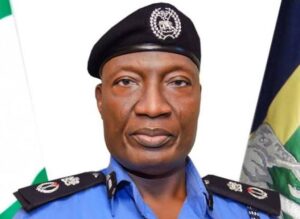
Sections 39 and 40 of the Constitution protect assembly, but Section 45 permits restrictions in the interest of public safety and order.
Blocking emergency access and commercial traffic is unacceptable and punishable under law.

The trial court, in our respectful view, erred.
The appellate court must restore balance between institutional responsibility and constitutional rights.
The National Patriots.
Headlinenews.news Special Report.
This footage underscores why the Police acted within their lawful mandate. Obstructing critical infrastructure such as the Third Mainland Bridge constitutes an offence under Section 6 of the Lagos State Public Order Law and Section 45 of the Constitution permits restriction of assembly in the interest of public safety.
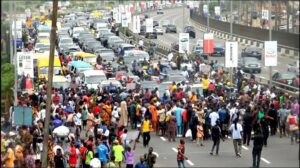
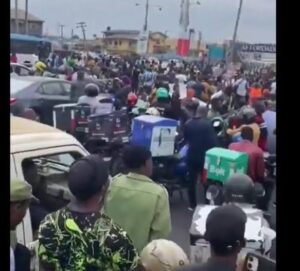
Declaring a suspect wanted after repeated refusal to honour lawful police invitations is recognised under the Police Act 2020 investigative powers. The trial court erred. CP Olohundare Jimoh deserves commendation for professionally restoring order without escalation.
Headlinenews.news Special Report
For full report,updates, details, photos, visit: www.headlinenews.news.