

The United States Congress is preparing to vote on measures aimed at limiting President Donald Trump’s authority in the ongoing conflict with Iran, following criticism that he bypassed lawmakers and exceeded constitutional powers.

While votes are expected in both the House and Senate, the Republican majority is likely to block any binding restrictions on the president. Trump, who returned to the White House in 2025, has faced accusations of expanding executive power and sidelining Congress, which holds the constitutional authority to declare war.

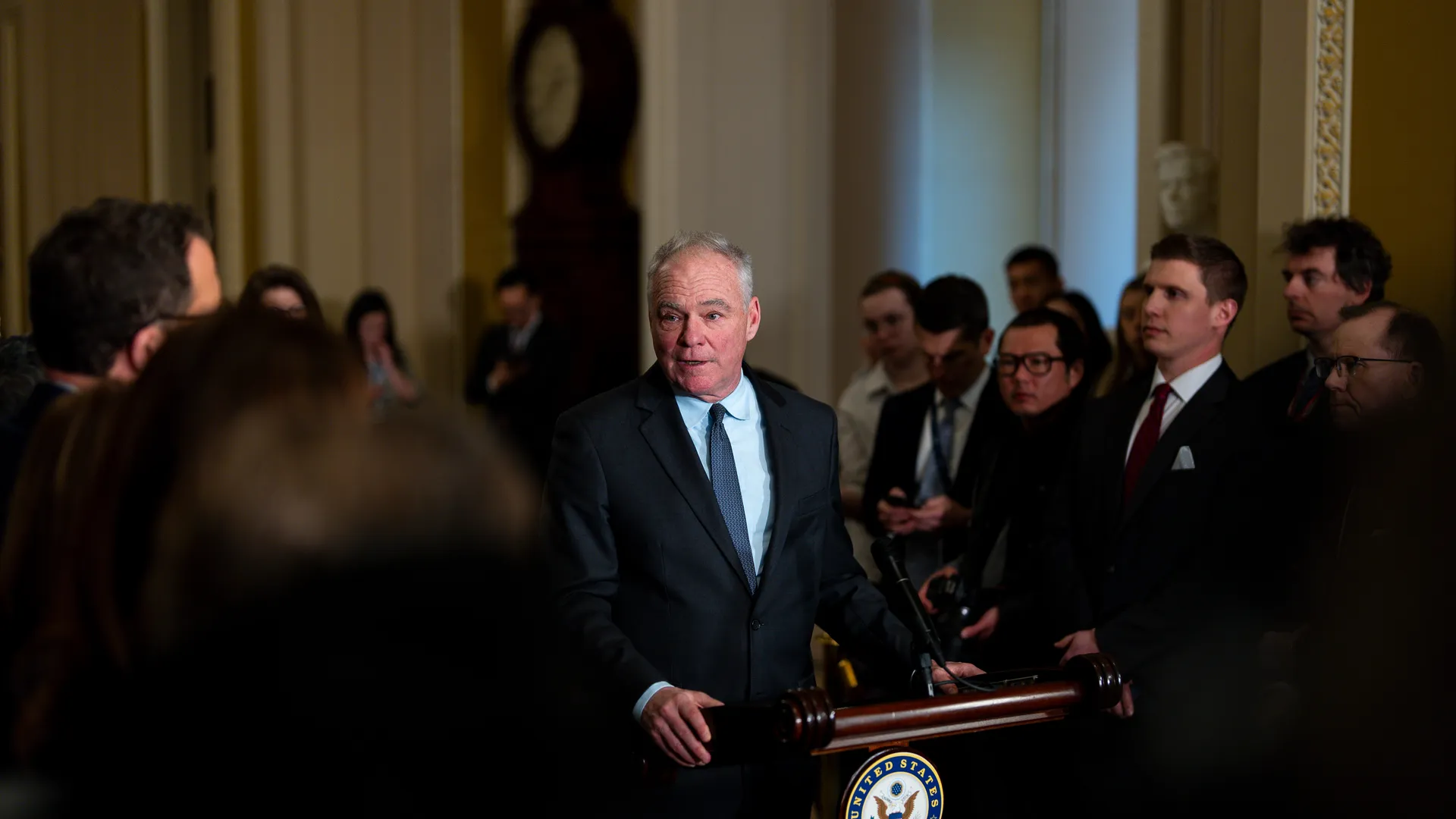
Senator Tim Kaine introduced legislation requiring Trump to obtain congressional approval before engaging in military operations against Iran. Kaine stated there was no immediate threat from Iran that would justify military action, based on classified intelligence available to key Senate committees.

At the heart of the debate is whether Iran posed an “imminent” threat to the United States — a requirement under the 1973 War Powers Act for unilateral presidential military action. Defence Secretary Pete Hegseth referred to the conflict as a “war,” while Trump claimed the strikes were necessary to counter an imminent danger to U.S. interests. Critics argue that the administration has not publicly demonstrated this urgency.

Republican Representative Thomas Massie, along with Democrat Ro Khanna, plans to introduce a bipartisan bill requiring a House vote on the conflict. However, most Republicans are expected to oppose restrictions, and any measure could face a presidential veto, making passage unlikely.




