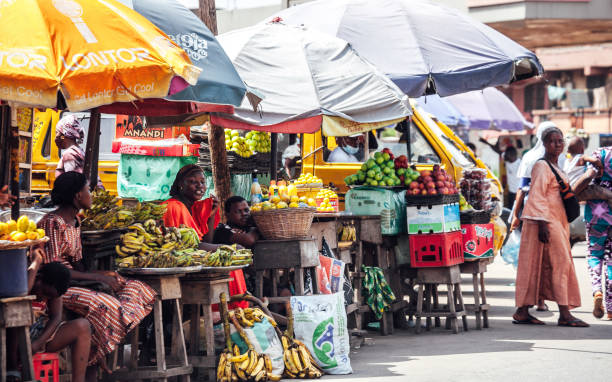
Nigeria’s inflation rate recorded a slight decline in February 2026, easing to 15.06 per cent from 15.10 per cent in January.
The figures were released by the National Bureau of Statistics in its February Consumer Price Index and inflation report published on Monday.
According to the bureau, the country’s headline inflation dropped by 0.04 percentage points on a month-to-month basis. However, food inflation moved in the opposite direction, rising to 12.12 per cent in February from 8.89 per cent recorded in January.

The NBS explained that although the headline inflation rate slowed slightly, prices still increased at a faster pace during the month.
“February 2026, the headline inflation rate eased to 15.06 per cent, down from 15.10 per cent in January 2026,” the report stated.
It added that on a month-on-month basis, inflation stood at 2.01 per cent in February, which was higher than the –2.88 per cent recorded in January. This indicates that the average price level increased more rapidly during the month.
Earlier projections by Financial Derivatives Company had estimated that the inflation rate could drop to around 14.07 per cent in February.
Nigeria has been battling rising living costs since the removal of petrol subsidy by Bola Ahmed Tinubu in 2023, a policy that led to significant increases in the prices of goods and services.
While the government has recently claimed that prices are gradually stabilising, critics and opposition figures argue that the reported improvements are yet to translate into meaningful relief for many Nigerians struggling with the high cost of living.