

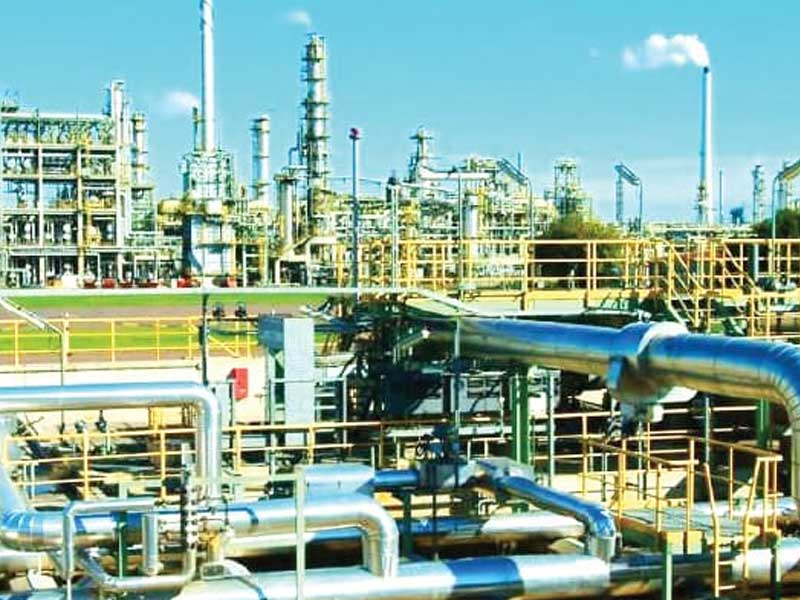
Geopolitical tensions involving Iran, Israel, and the United States are driving a surge in demand for refined petroleum products across Africa, placing the Dangote Petroleum Refinery at the centre of a rapidly evolving energy landscape.

The refinery recently raised its ex-depot (gantry) price from ₦1,175 to ₦1,245 per litre, while the coastal price increased from ₦1,512,648 to ₦1,606,518 per metric tonne, citing rising crude oil costs and global geopolitical instability. The adjustments took effect from midnight on March 21, 2026.

Aliko Dangote described the situation as “crazy,” noting crude oil prices spiked to nearly $120 per barrel and are expected to remain volatile. With a processing capacity of 650,000 barrels per day, the refinery has become a critical supplier of fuel, petrochemicals, and fertiliser inputs across Africa, reducing Nigeria’s dependence on imports and easing pressure on foreign exchange reserves.
Dangote stressed the importance of African-led industrialisation, highlighting plans to expand refining capacity, list part of the refinery on capital markets, and support related power and manufacturing initiatives. He also outlined broader investments across Africa, including projects in Ethiopia, Zimbabwe, Zambia, Ghana, Ivory Coast, and Namibia.

Meanwhile, President Donald Trump signalled that the United States is “very close” to achieving its objectives in the conflict with Iran, hinting at a potential winding down of military operations while urging other nations to assume responsibility for securing the Strait of Hormuz. Trump also criticised NATO allies over their perceived lack of support, calling them “cowards,” and stressed that the Strait should be protected by nations dependent on it, with the US providing assistance only if necessary.

The British government authorised the US to use its bases in the UK for strikes on Iranian missile sites threatening ships in the Strait, highlighting international cooperation amid the ongoing crisis. The disruption of this key maritime route continues to influence global energy prices, further elevating the strategic importance of the Dangote Refinery in Africa’s energy supply chain.




