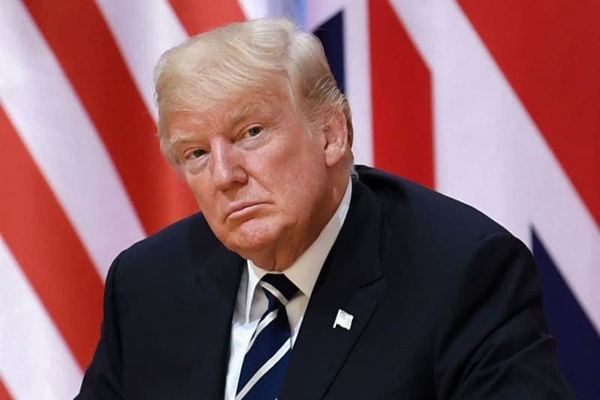
In recent days, President Donald Trump has been holding frequent high-level meetings at the White House, reviewing a range of military options — including the possibility of deploying American troops to Iran.
The decision is shaping up to be one of the most difficult of the ongoing conflict, which began with U.S. strikes on February 28. While Trump has not ruled out sending ground forces, he has publicly downplayed the idea.
“I’m not putting troops anywhere,” he said during a briefing in the Oval Office. “If I were, I certainly wouldn’t tell you.”
Now in its fourth week, the war is entering a critical phase. Pressure is mounting from both political allies and the public for clarity on how the conflict will end. Many of Trump’s Republican supporters, already facing a challenging path to upcoming midterm elections, are urging him to find a clear exit strategy.

Although the president has suggested the mission is “ahead of schedule,” key objectives — particularly eliminating Iran’s nuclear capabilities — remain unresolved.
Behind the scenes, U.S. officials are also grappling with the global economic fallout. Iran’s move to disrupt the Strait of Hormuz has sent shockwaves through energy markets, raising oil prices and complicating efforts to stabilise the situation. Reopening the vital shipping route remains a major challenge with no easy solution.
At the same time, differences are emerging between U.S. goals and those of Israeli Prime Minister Benjamin Netanyahu. While Washington appears focused on a shorter timeline, Israel is reportedly preparing for a more prolonged campaign.
Despite public assurances of progress — including claims that thousands of targets have been hit — some analysts warn that Iran’s core advantage lies in its technical knowledge, particularly in nuclear development, which cannot simply be destroyed through military strikes.

Within the U.S., concerns are growing over the possibility of deploying ground troops. Several lawmakers have warned that such a move could erode support for the war and risk dragging the country into another prolonged conflict.
Instead, some allies are advising the president to declare victory based on existing military gains and begin winding down operations.
Still, contingency plans are being prepared. Additional U.S. forces, including Marines, are being repositioned in the region, while officials quietly assess more aggressive options — such as targeting key Iranian economic assets or securing critical infrastructure.
Any such move, however, would likely require boots on the ground — a step many believe could significantly escalate the conflict.
As the situation evolves, one thing remains clear: the path forward is uncertain. With competing strategies, rising global tensions, and no definitive end in sight, the coming days could prove decisive in shaping the outcome of the war.