The rescue of the missing F-15E weapon systems officer deep inside Iran turned into one of the most complex and high-risk operations the U.S. military can carry out.
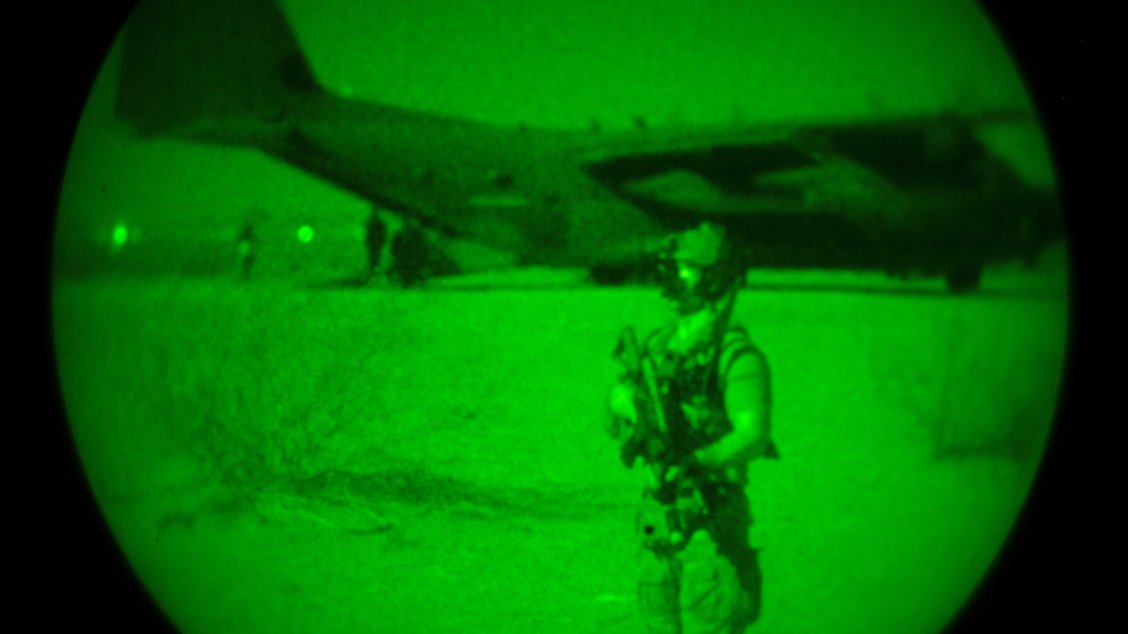
To pull it off, troops had to quickly establish a forward arming and refuelling point (FARP) inside hostile territory. This temporary base served as the centre of the mission, allowing aircraft, equipment, and personnel to operate close to where the officer was hiding.
According to insights from former Special Tactics airman Kyle Rempfer, these kinds of missions are something U.S. special operations forces train for extensively. Even before landing, teams would have already studied potential landing zones using satellite imagery and mapping tools, identifying areas suitable for aircraft like the MC-130.

Once on the ground, special tactics teams moved fast. Within minutes, helicopters were deployed toward the officer’s location, guided by emergency signals. Meanwhile, personnel at the FARP secured the area, monitored nearby roads, and coordinated with multiple aircraft overhead.
The site itself was heavily protected. Combat controllers set up landing zones, assessed terrain conditions, and managed incoming aircraft, while elite units provided security. Surveillance aircraft scanned the wider area for any approaching threats, and strike aircraft stood ready to engage if necessary.
Communication and coordination were critical. With dozens of aircraft involved, teams had to carefully manage airspace, monitor threats, and keep radio communication secure to avoid detection.
The mission became even more difficult because the officer was hiding in a remote mountain crevice, making access challenging. On the ground, troops focused on protecting the FARP while tracking any movement that could compromise the operation.

Such missions come with multiple dangers. Beyond enemy fire, there are technical risks—landing heavy aircraft on rough, poorly maintained terrain, operating in darkness, and managing complex movements in tight spaces.
Despite the risks, the operation succeeded in recovering the officer. However, reports suggest some aircraft were destroyed during the extraction, possibly due to damage or difficult landing conditions.
Experts say the mission offers a glimpse into how modern special operations work—rapid deployment, precision coordination, and the ability to operate deep inside enemy territory under extreme pressure.
While this operation focused on rescuing one individual, it also highlights how such tactics could be used for larger missions if needed.