

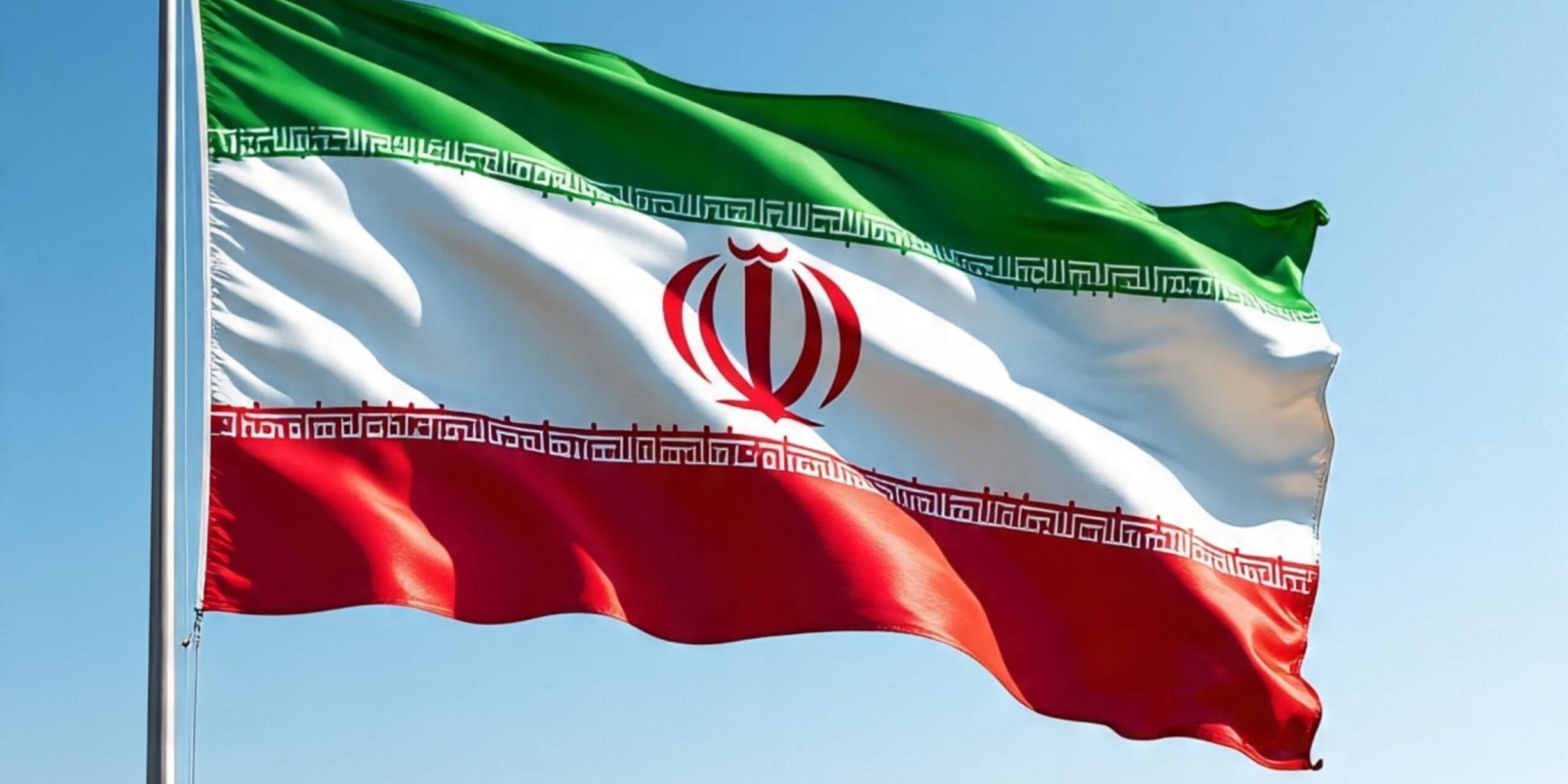
Tensions in the Middle East have intensified as Iran reportedly suspended tanker traffic through the strategically vital Strait of Hormuz, citing renewed Israeli military operations in Lebanon.

According to the semi-official Fars News Agency, the suspension followed what Iran described as intensified Israeli strikes targeting Hezbollah positions, which Israeli authorities called their “heaviest bombardment yet.”

Earlier in the day, two oil tankers were allowed to transit the strait—but only after obtaining permission from Iranian authorities. Subsequent vessel movements were halted as Israeli strikes continued, signaling a tightening of restrictions on one of the world’s most critical energy corridors. The Strait of Hormuz handles a significant portion of global crude oil shipments, making any disruption a major international concern.

The escalation coincides with confusion over the status of a ceasefire agreement linked to the broader regional conflict. Israeli officials, along with U.S. President Donald Trump, asserted that the current ceasefire framework does not cover ongoing operations against Hezbollah in Lebanon, contradicting mediation claims by Shehbaz Sharif and narratives from Iranian state media.
Iranian Foreign Minister Abbas Araghchi voiced concerns over alleged “ceasefire violations in Iran and Lebanon” during a phone call with Pakistan’s army chief. He expressed appreciation for Pakistan’s “constructive and responsible” role in promoting peace and security in the region.

The situation has already resulted in significant casualties. Lebanese Health Minister Rakan Nassereddine reported hundreds killed or wounded following a fresh wave of Israeli airstrikes. The Israel Defence Forces (IDF) stated that it had carried out its largest coordinated assault on Lebanese territory since the launch of “Operation Roaring Lion,” targeting over 100 Hezbollah-linked sites, including headquarters, command centers, and missile-launch infrastructure across Beirut, Beqaa, and southern Lebanon.
The escalation underscores growing regional instability and raises global concerns about energy security and maritime safety.




