A massive oil tanker, the Minerva Gloria, now sits docked along the Mississippi Sound, carrying 400,000 barrels of crude oil from Venezuela — a shipment that would have been unthinkable just months ago.
For years, U.S. sanctions and declining production under former Venezuelan President Nicolás Maduro had all but cut off oil trade between the two countries. But that changed after a dramatic shift in U.S. policy, with President Donald Trump moving to tap into Venezuela’s vast oil reserves following a surprise military operation earlier this year.
Now, Venezuelan oil is flowing again. In March alone, the country’s exports crossed one million barrels per day for the first time in months. Major energy companies like Chevron have quickly moved in, importing large volumes of crude to U.S. refineries.

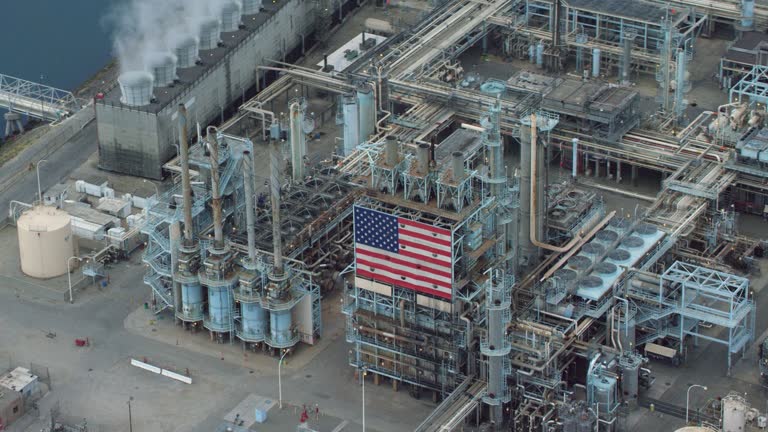
Chevron, which operates one of the largest refineries in Pascagoula, Mississippi, is uniquely positioned. Its facility was specifically designed to process Venezuela’s heavy, sulfur-rich crude — often referred to as “sour oil.” The company is currently importing about 250,000 barrels daily, with plans to increase that figure significantly.
This renewed supply is expected to ease pressure on global oil markets, especially as tensions in the Middle East — including disruptions around the Strait of Hormuz — continue to push prices upward.
However, for everyday Americans, the impact hasn’t been felt yet.
Despite increased supply, fuel prices at the pump remain high. Experts say that’s because oil prices are set globally, not locally. Even with more Venezuelan crude entering the U.S., global instability — particularly the ongoing Iran-related tensions — continues to drive costs up.

For people like David McQueen, a retired veteran in Mississippi, the situation is frustrating. “The price has got to go down,” he said, noting that rising fuel costs are straining his fixed income.
Others are adjusting their lifestyles. Donna, another resident, says she now drives less and cuts back on spending just to afford fuel, even visiting family less often.
While the U.S. produces large amounts of oil and is increasing imports from Venezuela, analysts say relief at the pump will take time. According to industry insiders, the benefits of increased supply may only become visible once global tensions ease and markets stabilise.
Until then, the return of Venezuelan oil remains more of a long-term solution than an immediate fix for rising fuel prices.