

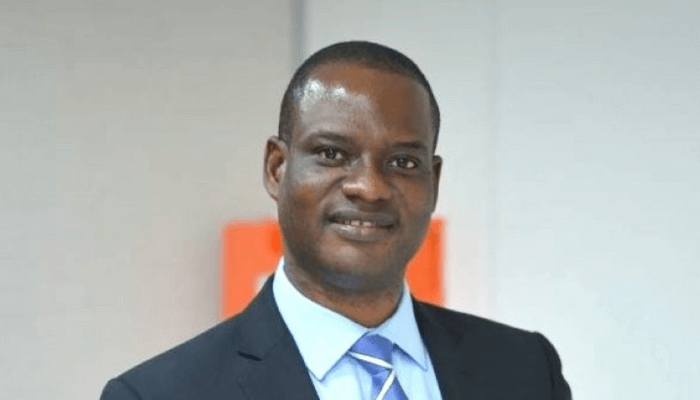
The Presidential Fiscal Policy and Tax Reforms Committee has refuted claims that the Minister of State for Finance, Taiwo Oyedele, admitted to errors in Nigeria’s newly implemented tax laws.

In a statement released on Sunday, the committee described such reports as misleading, stressing that the minister’s comments had been taken out of context. It clarified that suggestions urging Nigerians to wait for the outcome of a legislative investigation were inaccurate, noting that the legislative process had already been completed and the final versions of the laws officially published by the National Assembly earlier in January 2026.

According to the committee, Oyedele’s remarks were made during a session at the Nigerian Bar Association conference in Lagos, where he spoke about the early positive impact of the reforms rather than admitting faults. These early outcomes reportedly include a surge in informal businesses registering with the Corporate Affairs Commission, along with a sharp increase in the number of registered taxpayers nationwide—from about 10 million to over 100 million.

The committee attributed this growth to provisions in the new tax framework, such as exemptions for small businesses and low-income earners, as well as relief measures on essential goods and services. Additional features of the reforms include tax exemptions covering areas like food, education, healthcare, transport, and rent, alongside the introduction of a Tax Ombud to safeguard taxpayers’ rights.
While acknowledging that no legislation is entirely flawless, Oyedele emphasized the importance of ongoing dialogue with stakeholders to address any gaps through future amendments under the Finance Act.

The committee warned that inaccurate reports could mislead the public and advised Nigerians to rely on verified sources for information regarding the reforms.
The tax laws, signed in 2025 and rolled out in January 2026, are aimed at simplifying the tax system, broadening the revenue base, reducing multiple taxation, and easing financial pressure on small businesses and low-income earners.

Despite these objectives, concerns had earlier been raised by some lawmakers, including Abdussamad Dasuki, over alleged inconsistencies between the versions passed by the National Assembly and the final gazetted documents. Similarly, KPMG pointed out possible gaps and omissions within the laws.
However, Oyedele has consistently dismissed claims of major errors, maintaining that implementation is ongoing while necessary adjustments continue to be made.




