

The Lagos State Government has reaffirmed its commitment to modernising water transportation infrastructure with the completion of over 50 kilometres of channelisation works across key ferry routes in the state.
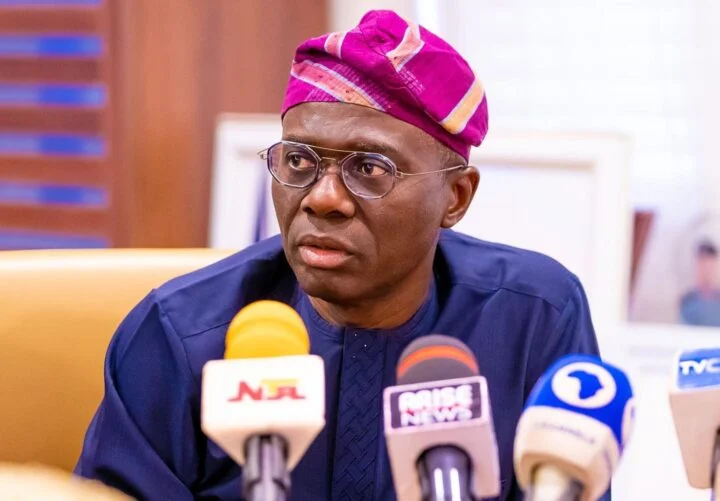
The Commissioner for Waterfront Infrastructure Development, Dayo Bush Alebiosu, made this known during a ministerial briefing at the Bagauda Kaltho Press Centre, where he outlined achievements under Governor Babajide Sanwo-Olu’s THEMES+ development agenda.

He explained that the channelisation projects were carried out to improve navigability across Lagos waterways, reduce accidents, and open up safer and more efficient ferry routes for commuters and transport operators.
According to him, the intervention targets long-standing challenges such as submerged wrecks, navigation hazards, erosion, and flooding that have affected water transport in several parts of the state.

Key routes covered include the Ikorodu–Mende and Ikorodu–Agboyi channels in Kosofe, as well as the Five Cowries–Lekki Lagoon–Parkview and Banana Island routes. The Ilado–Ilashe–Odofin corridor in Amuwo Odofin was also included in the project scope.
The commissioner added that navigation buoys have been installed across strategic waterways to further enhance safety and improve guidance for ferries and commercial boats.
He also disclosed that the state has begun installing modern concrete floating pontoons at selected jetties to replace traditional wooden structures and improve durability and safety.
According to him, the new pontoons are designed to adjust to fluctuating water levels, making boarding and disembarkation safer and more efficient for passengers.
Installation work is currently ongoing in locations such as Agboyi Ketu, Ijegun Egba, and Bayeku, with additional sites including Ebute Ero, Ijede, Apa, Mile 2, and Mowo also scheduled for upgrades.

The initiative is part of broader efforts to integrate road, rail, and water transport systems under Lagos State’s multimodal transport strategy.
Alebiosu said the upgrades will not only improve commuter safety and efficiency but also boost economic activity in riverine communities and strengthen the state’s waterfront infrastructure network.




