

Iranian Foreign Minister Seyyed Abbas Araghchi has stated that the Strait of Hormuz remains open for commercial shipping, although vessels navigating the area are expected to cooperate with the Iranian Navy and relevant authorities.

Speaking ahead of the BRICS Foreign Ministers’ Meeting in New Delhi, Araghchi accused the United States of fueling instability in the Gulf region and imposing what he described as an illegal blockade affecting Iran’s ports and maritime operations.
He maintained that disruptions affecting ship movements in the Gulf were caused by U.S. actions and not by restrictions from Iran, insisting that Tehran had already made its position clear on maritime access.

The Iranian foreign minister also alleged that the United States escalated tensions around the Strait of Hormuz by attempting to block Iran’s oil exports and increase pressure on the country.
Araghchi expressed hope that conditions would improve if sanctions and restrictions against Iran were removed. He argued that Iran had proposed a balanced agreement during negotiations, but claimed the United States demanded the transfer of Iran’s uranium stockpile, which Tehran rejected, describing it as an attempt to impose conditions rather than negotiate fairly.

Beyond the nuclear issue, both countries remain divided over matters including U.S. military presence in the region, sanctions, and maritime security concerns.
Iran’s Deputy Foreign Minister, Kazem Gharibabadi, also recently commented on the security situation in the Strait of Hormuz, stating that Iran’s actions comply with international law and that maritime safety would improve if regional tensions were reduced.

He criticized the administration of U.S. President Donald Trump for allegedly failing to pursue serious diplomatic efforts to ease the ongoing crisis, which he said continues to affect multiple countries.
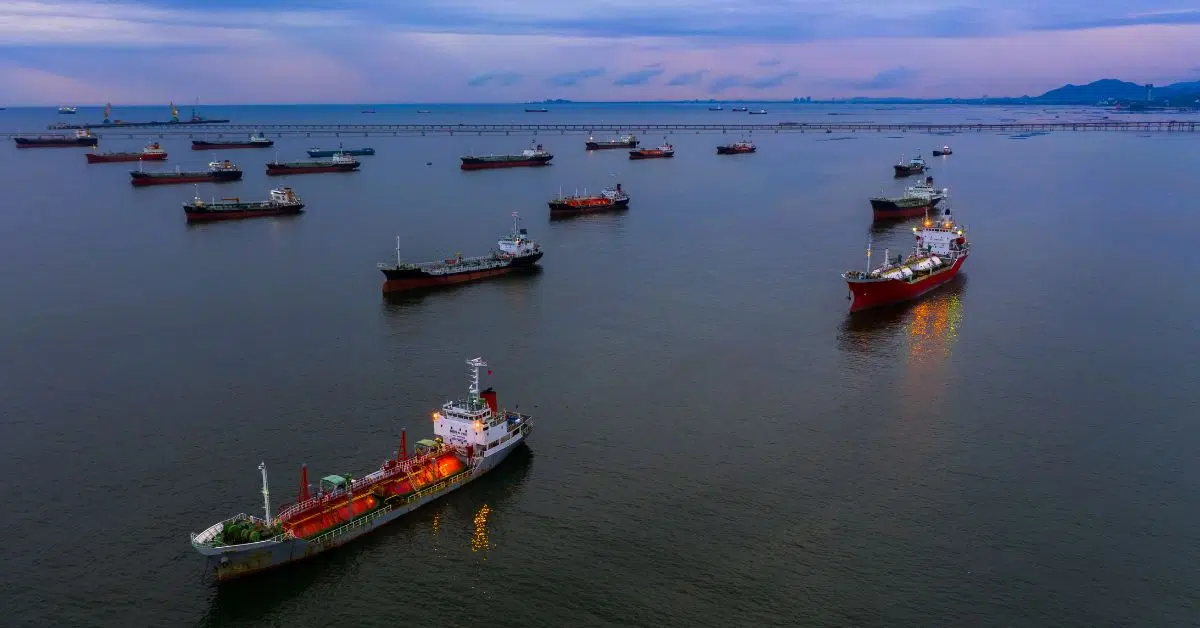
Commercial shipping activity through the Strait of Hormuz has declined since Iran reportedly closed parts of the strategic route following retaliatory actions linked to U.S. and Israeli attacks on February 28, 2026.
The situation has contributed to higher global oil prices and increased insurance costs for vessels operating in the region.
Several Asian countries have also felt the impact. Vietnam recently appealed to the U.S. Navy to allow an oil tanker carrying Iraqi crude oil to pass through the blockade as its domestic fuel reserves continue to decline.




