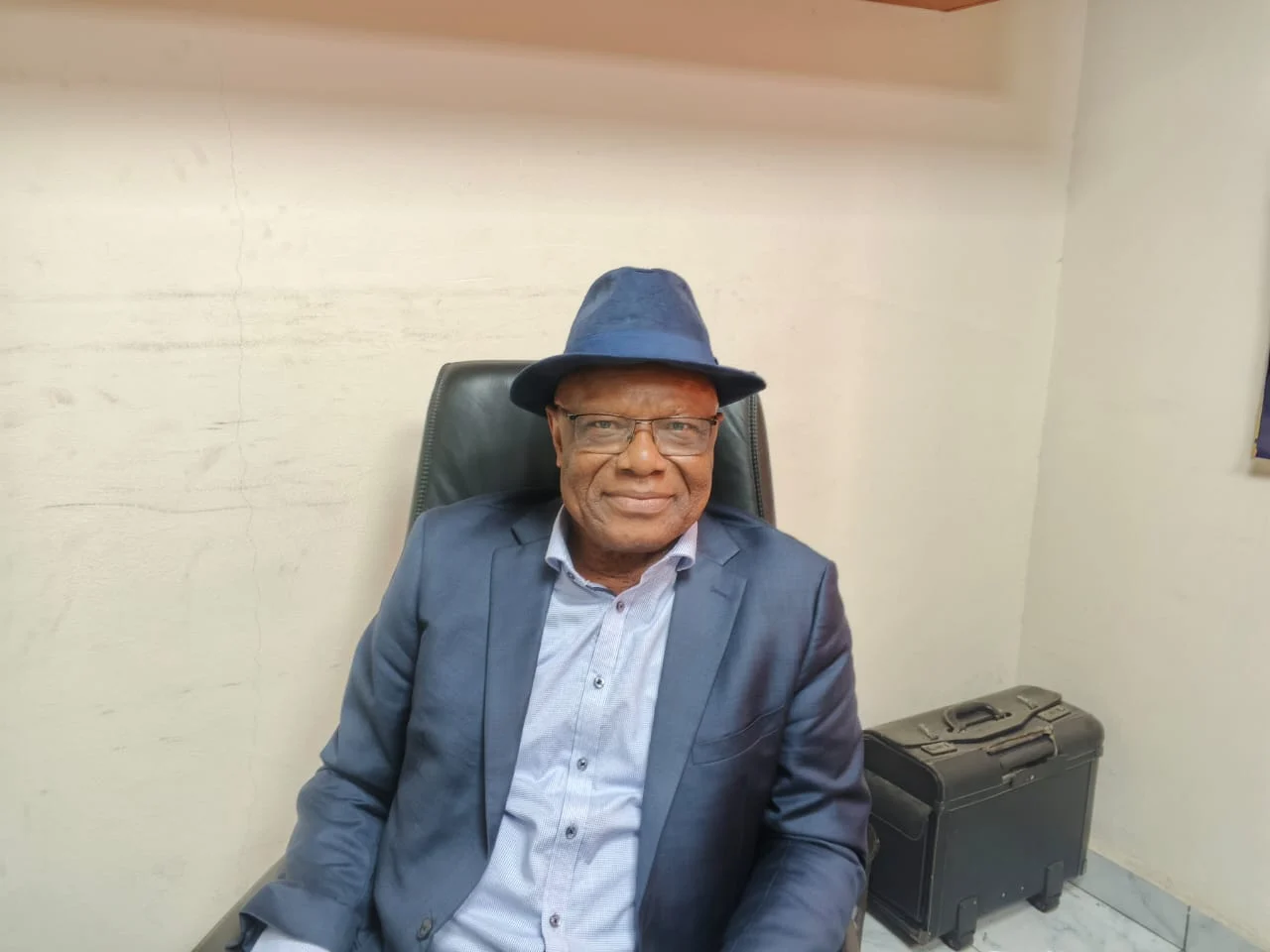
SAN Mekwunye Calls for Overhaul of Judiciary, Warns Against Electoral Justice Abuse
Senior Advocate of Nigeria, Dr. Charles Mekwunye, has called for sweeping reforms in Nigeria’s judiciary and electoral adjudication system, warning that judicial compromise poses a serious threat to democracy in the country.
He made the call while delivering the keynote address at the 2026 Law Week of the Nigerian Bar Association (NBA), Agbor Branch, Delta State, themed “Future Proofing Nigeria’s Democracy: Credible Elections and the Legal Cross-Roads.”
Mekwunye expressed concern over what he described as the growing involvement of some judicial officers in undermining the will of the people through controversial election judgments. He insisted that judges who deliberately distort justice in electoral matters must be held accountable.
“There must be consequences for judicial officers who betray their oath and use their enormous powers to pervert the electoral will of the people. The era of impunity must end,” he said.
The senior lawyer commended the Chief Justice of Nigeria, Justice Kudirat Kekere-Ekun, for recent disciplinary actions against some judges, including suspensions and compulsory retirements, describing them as a step in the right direction. However, he stressed that deeper reforms are still needed to restore public confidence in the judiciary.

Mekwunye also called for a review of the rules governing petitions before the National Judicial Council (NJC), arguing that the current requirements discourage whistleblowers from coming forward and expose them to risks.
According to him, the requirement for petitioners to disclose their identities and swear affidavits often deters people with genuine information.
“Most people with relevant information are inhibited by these rules. They serve no useful purpose other than protecting the minority of judicial officers working against the interest of the judiciary and Nigeria,” he said.
He further proposed extending the time limit for filing complaints against judicial officers from six months to three years, saying it would improve accountability within the system.
On the prosecution of judges, Mekwunye faulted the Supreme Court’s decision in Federal Republic of Nigeria v. Justice H.A. Nganjiwa, which held that serving judicial officers cannot be prosecuted for acts connected to their official duties unless first disciplined by the NJC.
He described the ruling as unconstitutional, arguing that it effectively grants judges a form of immunity not provided for in the Constitution.
“The Constitution guarantees equality before the law. Judicial officers should not enjoy a special shield against criminal investigation and prosecution,” he stated.
Mekwunye urged anti-corruption agencies such as the EFCC and ICPC to be allowed to investigate and prosecute judicial officers where necessary, insisting that no one should be above the law.
He also called on the Attorney-General of the Federation to push for legislation that would overturn the Nganjiwa judgment if the judiciary does not revisit it.
The SAN recommended stricter sanctions for judges who act outside their jurisdiction, especially in politically sensitive and election-related cases. He also proposed the creation of a “black book” for erring judges by the NJC, alongside a similar register for senior lawyers found guilty of misconduct.
According to him, judges found by superior courts to have knowingly exercised powers they do not possess should be dismissed and publicly blacklisted.
“This will sanitise the judiciary, protect the integrity of honest judges and restore confidence in our democracy,” he said.
Mekwunye also criticised certain election judgments, particularly in Plateau State, alleging that some appellate decisions had overturned the choices of voters.
To address such issues, he proposed an amendment to Section 246(3) of the Constitution to allow limited appeals to the Supreme Court in National and State Assembly election disputes involving constitutional interpretation or disregard of binding precedents.
While acknowledging the integrity of most Court of Appeal justices, he lamented that some judges who maintain judicial independence are allegedly subjected to punitive transfers and denial of privileges.
He maintained that any judicial officer who deliberately ignores constitutional provisions and Supreme Court decisions in election matters should be held accountable, whether in office or retired.
Quoting the Supreme Court in the Manasseh case, he noted that disregard for clear constitutional provisions and binding precedents amounts to serious judicial misconduct.
Mekwunye warned that history would judge harshly judicial officers who contribute to weakening democracy through decisions that undermine the will of the people.
“History will judge harshly those who aid the subversion of democracy through decisions that undermine the will of the people and the supremacy of the Constitution,” he said.