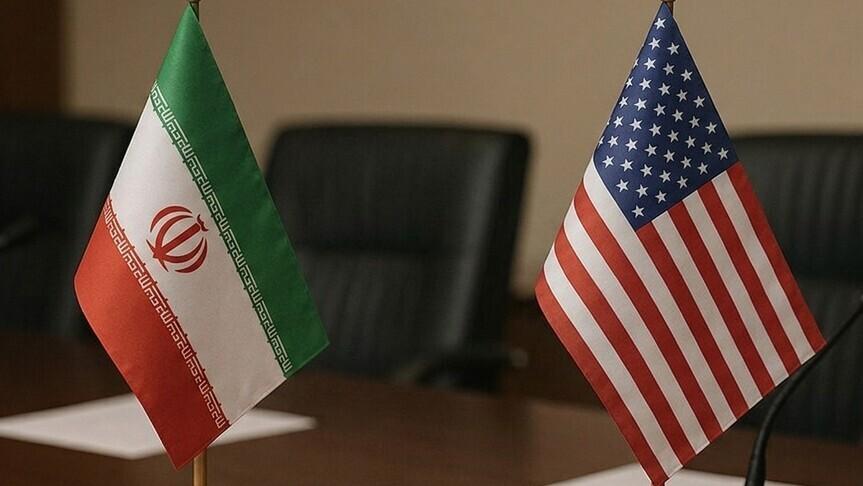
The United States has announced a temporary 60-day suspension of certain sanctions on Iranian oil exports, signalling a notable shift in its pressure campaign against Tehran as diplomatic efforts between the two countries continue to advance.
The decision was disclosed on June 22 by U.S. Treasury Secretary Scott Bessent in an official statement issued by the Treasury Department. The move follows ongoing negotiations aimed at reducing tensions surrounding Iran’s nuclear programme and broader regional security issues.

The announcement came shortly after U.S. Vice President JD Vance stated that recent discussions with Iranian officials in Switzerland had established a strong foundation for a potential long-term peace agreement, raising hopes for further diplomatic progress.
According to Bessent, the temporary sanctions relief is directly linked to commitments made by Iran during the talks. These commitments reportedly include guaranteeing free navigation through the Strait of Hormuz and allowing inspectors from the International Atomic Energy Agency (IAEA) access to Iranian facilities.
He stated that the arrangement aligns with Washington’s objective of preventing Iran from developing nuclear weapons while promoting regional stability through diplomacy.

As part of the agreement, the U.S. Treasury has issued a temporary general licence authorising the production, delivery and sale of Iranian oil for a period of 60 days. The licence permits limited oil exports under specific conditions while negotiations continue.
The Treasury Department noted that the temporary measure is intended to support ongoing diplomatic efforts while maintaining oversight of Iran’s compliance with agreed commitments.
U.S. sanctions on Iran date back to 1979 following the seizure of the American Embassy in Tehran. Over the decades, successive administrations expanded restrictions targeting Iran’s banking sector, oil industry and access to international markets.
Iran possesses some of the world’s largest proven oil reserves and has long depended on petroleum exports as a key source of national income. Sanctions, particularly those strengthened from 2010 onward, were designed to reduce oil revenues and pressure Tehran over concerns related to its nuclear activities.

Congress has also played a significant role in tightening sanctions by authorising measures against foreign companies involved in Iran’s energy sector and introducing additional restrictions in response to political and security developments.
The latest move follows reports that the United States and Iran signed an initial peace memorandum on June 18. The agreement, signed by President Donald Trump and Iranian President Masoud Pezeshkian, was described as a first step toward a broader settlement aimed at ending months of tensions and establishing a framework for future negotiations.
Under the emerging framework, the Strait of Hormuz is expected to remain open to international shipping, while the United States has indicated a willingness to gradually ease sanctions in exchange for verifiable commitments from Iran.
A central element of the negotiations remains international monitoring of Iran’s nuclear programme, with IAEA inspectors expected to play a key role in ensuring compliance and preventing enrichment activities from reaching weapons-grade levels.
The latest sanctions relief is being viewed as a confidence-building measure as both countries continue discussions toward a more comprehensive and permanent agreement.