

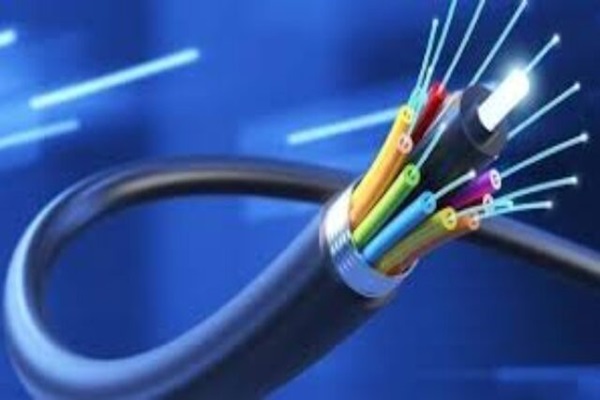
Nigeria’s telecommunications sector is facing growing challenges as widespread fibre optic cable cuts, vandalism, road construction activities, and equipment theft continue to disrupt network services and threaten the country’s digital economy ambitions.
According to recent data from the Nigerian Communications Commission (NCC), more than 155,000 fibre cut incidents were recorded between April and May 2026, representing a significant increase compared to the first quarter of the year.

The report revealed that deliberate vandalism accounted for the largest number of disruptions, with over 54,000 incidents, while aging infrastructure, equipment failures, road construction, and environmental factors also contributed to widespread damage to the country’s telecom network.
Despite the Federal Government’s designation of telecommunications infrastructure as Critical National Information Infrastructure (CNII), operators continue to experience repeated attacks on network facilities, affecting service reliability nationwide.

The report also highlighted a rise in equipment theft at telecom base stations, including the loss of batteries, generators, cables, and diesel supplies used to power off-grid sites.
Chairman of the Association of Licensed Telecom Operators of Nigeria (ALTON), Gbenga Adebayo, said the continued market for stolen telecom equipment has made it more difficult to curb vandalism and theft.

In addition to physical damage, telecom operators reported thousands of cases where engineers were prevented from accessing base stations for maintenance and repairs due to insecurity, community disputes, landlord disagreements, and actions by local authorities.
The disruptions have had a direct impact on consumers, leading to dropped calls, slow internet services, failed digital transactions, and interruptions to businesses that rely heavily on telecommunications infrastructure, particularly in major cities such as Lagos, Abuja, and Port Harcourt.

Industry stakeholders have warned that protecting critical telecom infrastructure is essential to supporting Nigeria’s digital transformation agenda and achieving its long-term economic development goals.




