

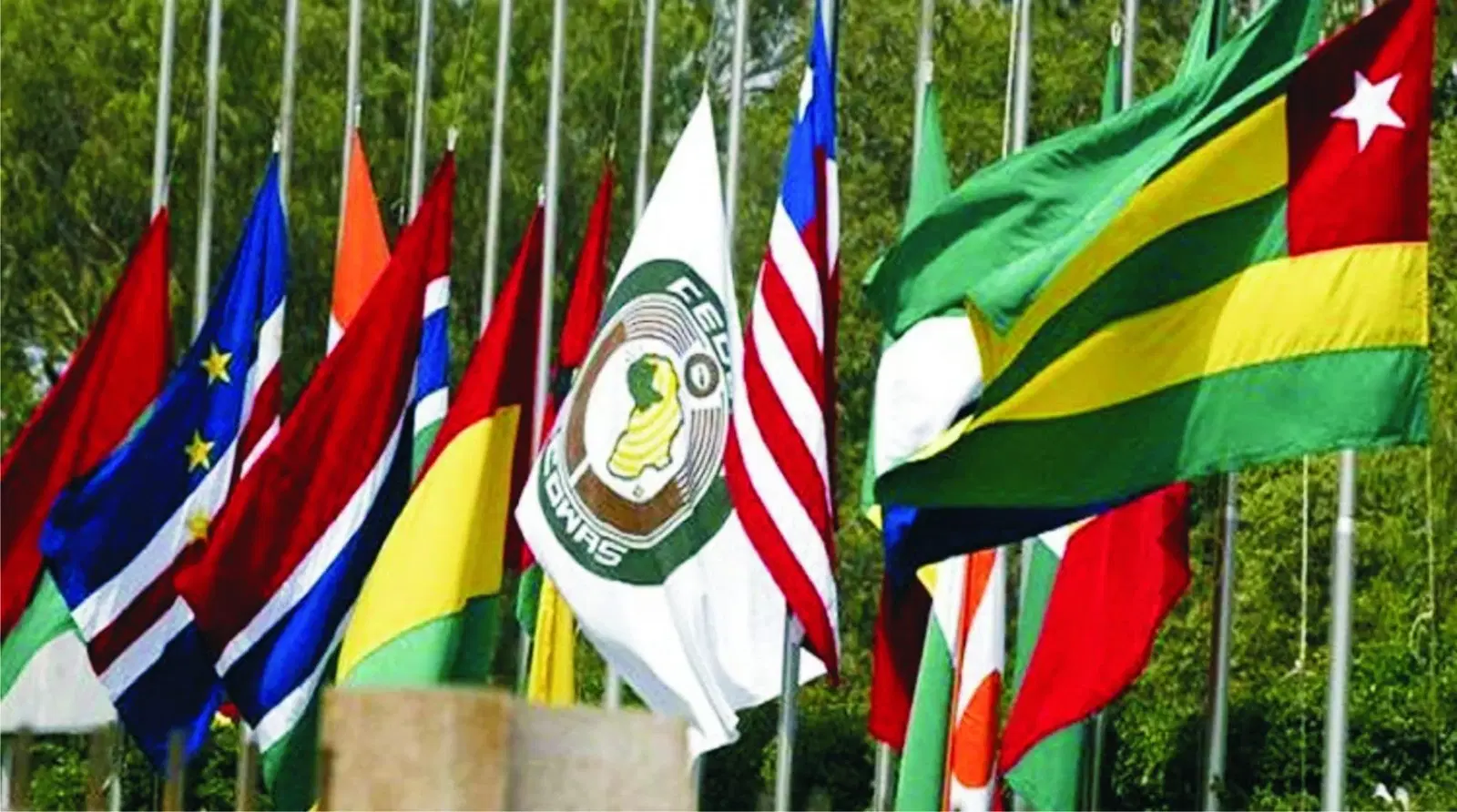
The Economic Community of West African States (ECOWAS) has reaffirmed its commitment to introducing the long-awaited single regional currency, the ECO, by 2027 as part of efforts to strengthen economic integration and promote sustainable growth across the region.
The resolution was reached during the 69th Ordinary Session of the ECOWAS Authority of Heads of State and Government held in Lungi, Sierra Leone, under the leadership of President Julius Maada Bio.

In its final communiqué, ECOWAS noted that member states have remained economically resilient despite global financial pressures, with a positive outlook for 2026 driven by easing inflation, improving debt levels and stronger current account balances, although fiscal deficits remain a challenge.
The regional bloc reiterated that the ECO will be introduced first in countries that meet the required economic convergence standards, while other member states will receive support to meet the conditions and adopt the currency later. ECOWAS also announced that the name “ECO” has been officially registered with the African Intellectual Property Organisation and plans are underway to secure additional trademark protection internationally.

Beyond economic matters, ECOWAS expressed concern over the worsening security situation in the Sahel and Lake Chad Basin, condemning terrorist attacks and approving an updated roadmap for the activation of the ECOWAS Counterterrorism Brigade, which is expected to become fully operational by July 2027. Member states were urged to settle outstanding community levy contributions needed to finance the regional security force.
The bloc also condemned the increasing cases of banditry, kidnappings and abductions of schoolchildren, particularly in northern Nigeria. It expressed solidarity with Nigeria and praised President Bola Ahmed Tinubu for measures taken to rescue victims and strengthen efforts against insecurity.

ECOWAS further highlighted the growing humanitarian challenges caused by conflict, terrorism, displacement, climate change and food insecurity. The commission was directed to strengthen humanitarian assistance and improve support for voluntary migrant returns from North Africa.
Regarding relations with Burkina Faso, Mali and Niger under the Alliance of Sahel States, ECOWAS extended the mandate of its chief negotiator, Dr. Lansana Kouyaté, until December 2026 and reaffirmed that discussions with the three countries would continue collectively.
The leaders also addressed rising food insecurity and soaring fertiliser prices affecting agriculture across the region. They called for faster implementation of regional agricultural initiatives, including the ECOWAS Rice Agenda and Regional Rice Roadmap, to boost food production and reduce reliance on imports.

The summit reaffirmed support for the ECOWAS Protocol on Free Movement of Persons, stressing the importance of maintaining regional mobility, facilitating trade and strengthening economic cooperation. It also urged that ongoing discussions with the Alliance of Sahel States should preserve free movement and economic exchanges.
In addition, ECOWAS strongly condemned xenophobic attacks targeting Africans, particularly West Africans, in South Africa and urged the South African government to ensure the safety of foreign nationals while taking lasting steps to address the issue. The bloc also backed Ghana’s proposal to raise the matter before the African Union Assembly.

On trade, ECOWAS warned that bilateral trade agreements signed individually by member states could undermine the regional Customs Union and instructed the commission to coordinate unified regional positions during international trade negotiations.
The leaders also renewed their commitment to lowering the cost of air travel within West Africa, commending Côte d’Ivoire for eliminating aviation taxes and encouraging other member states to implement similar reforms with support from development finance institutions.
On governance, ECOWAS acknowledged democratic progress in the region but expressed concern over terrorism, political instability and humanitarian crises. It urged Guinea-Bissau’s transitional authorities to ensure credible constitutional and electoral processes, uphold human rights, release detained political figures and restore constitutional order, with Senegal appointed to facilitate dialogue.
The regional body also praised the peaceful conduct of elections in Benin, Guinea, Cabo Verde and Côte d’Ivoire, while encouraging continued support for member states preparing for upcoming elections later this year and in early 2027.




