

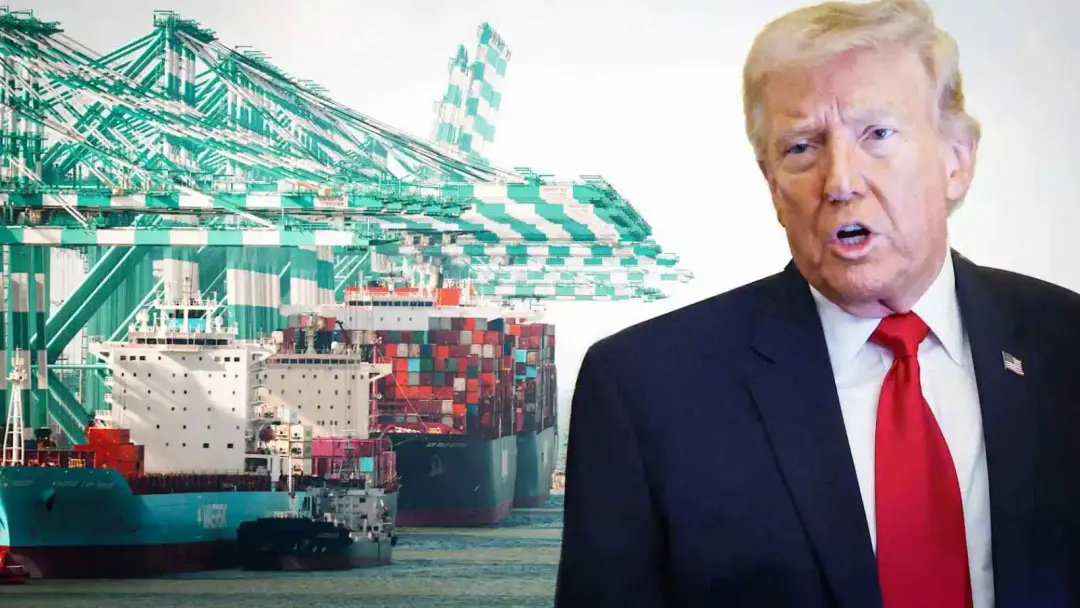
The United States has announced a new 12.5 percent tariff on imports from Nigeria and 59 other key trading partners, citing concerns that the affected countries have not taken adequate steps to prevent goods allegedly produced through forced labour from entering their supply chains.
The announcement was made on Thursday by the Office of the United States Trade Representative (USTR), representing another major development in President Donald Trump’s trade agenda since returning to office.

Under the new policy, Nigeria joins countries including China, South Africa, Australia, Brazil, Japan, Saudi Arabia, Norway and the United Arab Emirates in facing a 12.5 percent import tariff. Meanwhile, countries such as Canada, India, the United Kingdom and members of the European Union will be subject to a lower 10 percent tariff.
The new tariffs take immediate effect, replacing the temporary 10 percent global tariff introduced by the Trump administration earlier this year.
According to the USTR, the decision followed investigations launched in May 2026 under Section 301 of the US Trade Act. The review assessed whether 60 of America’s largest trading partners had implemented sufficient measures to prevent products linked to forced labour from entering international trade.

The agency said the investigation included more than 1,600 public submissions, testimony from over 100 witnesses and consultations with representatives from 45 governments before the policy was approved.
US Trade Representative Jamieson Greer said the measure is intended to protect workers’ rights and address trade practices the United States considers unfair.
The tariffs will apply to most products imported into the United States from Nigeria and the other affected countries. However, certain goods have been exempted, including critical raw materials, products essential to the US economy, items that cannot be produced in sufficient quantities domestically and goods that cannot easily be sourced from alternative suppliers.

The latest move follows a series of trade measures introduced by the Trump administration since 2025. Earlier this year, Nigerian imports were subjected to a 14 percent tariff before another executive order later increased tariffs on several African countries to 15 percent.
Several countries have criticised the latest decision. Australia and Brazil described the tariffs as unjustified and said they would pursue diplomatic efforts to have them removed. Norway argued there was no valid basis for the measure, while the European Union questioned the reasoning behind the policy. China also condemned the tariffs, calling them politically motivated.

For Nigerian exporters, the new tariffs could increase the cost of accessing the US market, potentially affecting the competitiveness of Nigerian products and placing additional pressure on trade relations between both countries.




