

15 Nations Sign Mombasa Declaration Against Illegal Fishing as China Refuses, Russia Absent
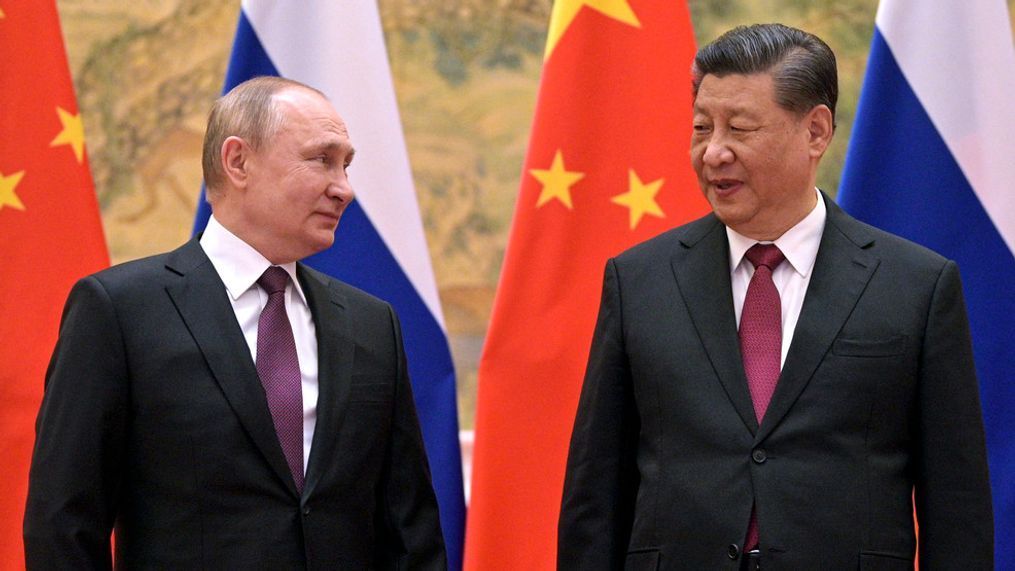
Fifteen countries from Africa, Europe, Asia, the Americas and the Pacific have adopted the Mombasa Declaration, a new international agreement aimed at strengthening the fight against illegal, unreported and unregulated (IUU) fishing. However, China declined to sign the declaration, while Russia was absent from the meeting.
The declaration was adopted on June 17 during the 11th Our Ocean Conference held in Mombasa, Kenya. It seeks to improve transparency in the global fishing industry by requiring better access to information on fishing vessels, ownership, licensing and fishing activities, making it easier for governments to track and combat illegal fishing.
Countries that signed the agreement include Belgium, Cameroon, Chile, the Dominican Republic, France, The Gambia, Ghana, Guinea, Liberia, Panama, Papua New Guinea, Peru, the Republic of the Congo, Somalia and South Korea.

Why the Agreement Matters for Africa
For African countries, the declaration represents a major step towards protecting marine resources and supporting millions of people whose livelihoods depend on fishing.
Illegal fishing continues to threaten food security, reduce fish stocks and undermine coastal economies across the continent. Experts also link the practice to serious human rights abuses, including forced labour and poor working conditions aboard fishing vessels.
In Ghana, for example, Fisheries Minister Emelia Arthur said more than 60 per cent of the country’s animal protein comes from fish, while roughly 10 per cent of the population depends on the fishing industry for income.
She described the declaration as an opportunity for governments to work together to improve transparency and strengthen enforcement against illegal fishing.
Seven African countries—Cameroon, The Gambia, Ghana, Guinea, Liberia, the Republic of the Congo and Somalia—signed the agreement, placing Africa at the centre of the global campaign to protect ocean resources.

Key Reforms Under the Declaration
The Mombasa Declaration supports the Global Charter for Fisheries Transparency, which promotes reforms aimed at making fishing operations more open and accountable.
The measures include:
Modernising digital fishing vessel registries.
Publishing fishing licences and permits.
Improving public access to fishing agreements and quotas.
Identifying the true owners of fishing vessels and companies.
Introducing unique identification numbers for industrial fishing vessels.
Supporters believe these reforms will make it more difficult for illegal operators to hide their activities and easier for governments to enforce fishing laws.
French Minister Delegate for the Sea and Fisheries, Catherine Chabaud, said greater international cooperation is essential to tackling illegal fishing effectively.
China Declines to Join
China’s decision not to sign the declaration has attracted significant attention because it operates the world’s largest distant-water fishing fleet.
Over the years, Chinese fishing vessels have faced repeated accusations of operating illegally in the waters of several African countries, including entering exclusive economic zones without authorisation and using local registrations to conceal their activities.

Reports estimate that West Africa loses up to $9.4 billion annually to illegal fishing, making it one of the world’s worst-affected regions.
Environmental groups have also estimated that countries including Kenya, Madagascar, Mozambique, South Africa and Tanzania lose hundreds of millions of dollars each year due to illegal tuna and shrimp fishing.
Observers believe the transparency measures proposed under the declaration would make it easier to identify vessel owners and monitor fishing operations, increasing accountability for foreign fleets.
Taiwan Excluded from Conference
The conference was also overshadowed by a diplomatic dispute involving Taiwan.
Taiwanese delegates were denied access to the summit after Kenya maintained its policy of recognising only one China. Taiwan accused Beijing of pressuring Kenyan authorities to exclude its representatives.
Reports indicated that visas issued to Taiwanese scientists were revoked before the conference, highlighting how geopolitical tensions extended into an event focused on ocean conservation and sustainable fishing.
Challenges Ahead
Although the declaration has been welcomed as a major step forward, experts say its success will depend on implementation.
African coastal nations continue to face challenges monitoring vast maritime territories and enforcing fishing regulations due to limited resources.
Improved transparency, vessel tracking and international cooperation are expected to help governments better protect fish stocks, safeguard livelihoods and strengthen food security.
However, China’s refusal to join the declaration, Russia’s absence and the diplomatic tensions surrounding Taiwan underscore the political challenges that continue to shape global efforts to improve ocean governance and tackle illegal fishing.




