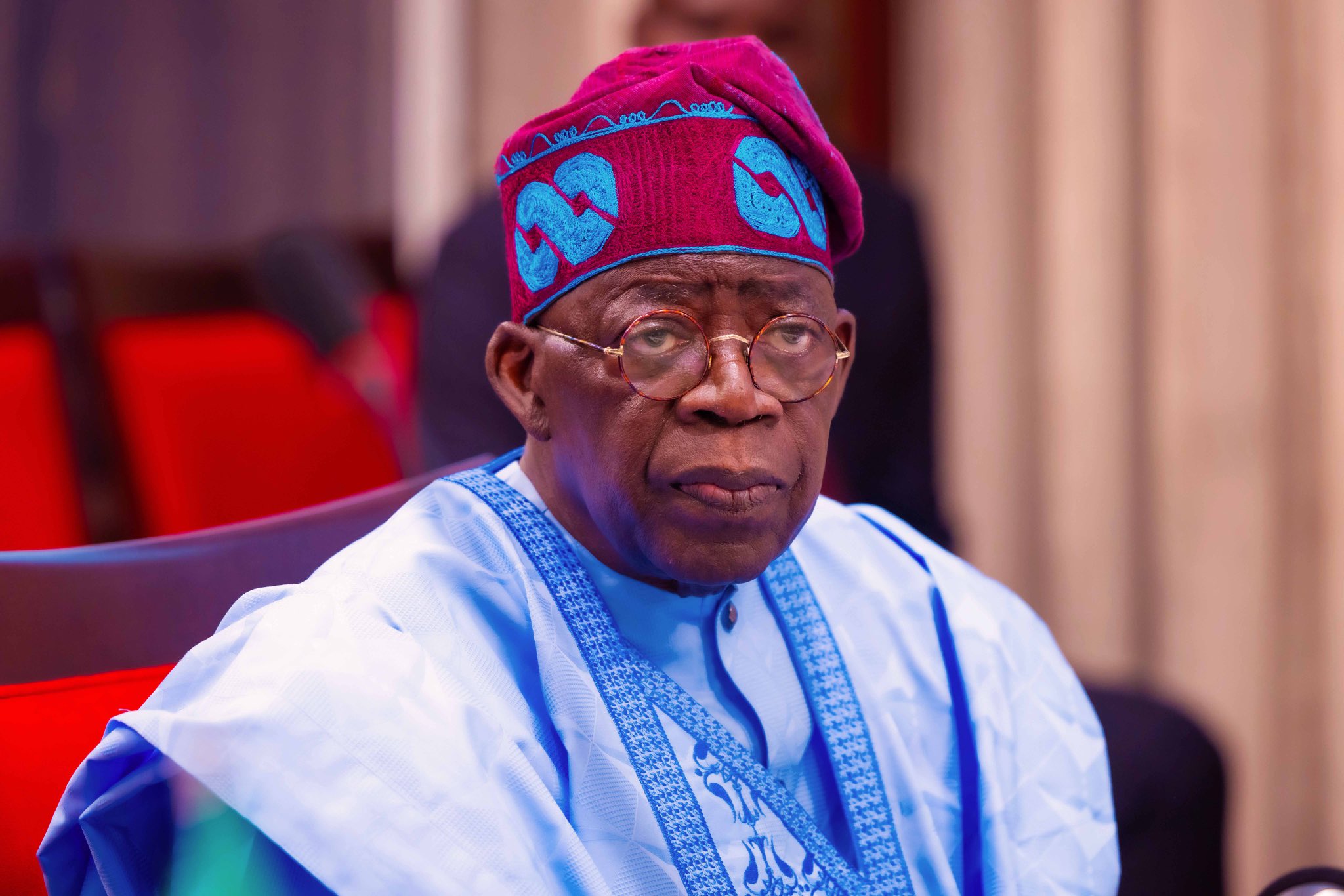
President Bola Ahmed Tinubu’s approval of a new salary structure for Nigerian military personnel has sparked mixed reactions among opposition parties, with some praising the move as a much-needed boost for troop welfare, while others questioned the timing and political intentions behind the decision.
The reactions came after the Presidency announced that about 250,000 members of the Armed Forces would benefit from salary increases ranging between 30 and 80 per cent, effective from September 1, 2026.
Under the new arrangement, senior officers above the rank of colonel will receive a 30 per cent increase, officers from colonel to warrant officer will get a 50 per cent increase, while junior personnel from private soldiers to staff sergeants will receive an 80 per cent increase.

The Presidency said the adjustment was designed to favour lower-ranking personnel who are often at the forefront of counter-insurgency, anti-banditry and anti-kidnapping operations.
The Social Democratic Party (SDP) welcomed the development, describing any policy aimed at strengthening national security as a positive step.
The party’s National Publicity Secretary, Rufus Aiyenigba, said security issues should not be politicised, stressing that the focus should be on whether the policy achieves its intended purpose.
According to him, improved funding and welfare for security personnel have always been among the issues advocated by the party.
Similarly, the New Nigeria People’s Party (NNPP) dismissed concerns that the timing of the salary increase was politically motivated.
The party’s National Chairman, Major Agbo, argued that improving the welfare of security personnel should be viewed as a national responsibility rather than through political lenses.
He said Nigerians had long complained about poor remuneration for soldiers and that any move to address the issue deserved commendation.

However, the Labour Party and the Obidient Movement expressed reservations over the decision.
The National Coordinator of the Obidient Movement Worldwide, Dr Yunusa Tanko, said the President’s motives would likely attract scrutiny because of the administration’s previous actions.
He acknowledged that military personnel deserved better welfare but questioned whether the decision was influenced by political considerations.
Tanko added that while soldiers’ lives and welfare should improve, such measures must not be used to compromise their neutrality or service to Nigerians.
The Labour Party’s National Publicity Secretary, Ken Asogwa, also described the salary increase as a welcome development but suggested it may have been introduced partly for political reasons.

He noted that improving military welfare was long overdue, considering the sacrifices made by soldiers who spend months away from their families while fighting insurgency and other security threats.
Asogwa said that regardless of the motive behind the decision, the most important thing was that military personnel would benefit from the policy.
Meanwhile, some political figures praised the President’s decision.
Senator Orji Uzor Kalu described the salary increase as a timely intervention that recognises the sacrifices of Nigeria’s Armed Forces.
He said troops deserve improved welfare given their role in protecting the country’s territorial integrity and combating terrorism, banditry and kidnapping.
The Director-General of the Border Communities Development Agency, Abdulrazak Namdas, also commended the move, describing it as a boost to troop morale and national security.
Namdas linked the salary adjustment with other security reforms, including the expansion of the Nigerian Army from eight to 12 divisions and the recruitment of additional personnel.
He said the measures would improve military presence, especially in border communities facing security challenges.
The new military pay package has therefore received broad support for its impact on troop welfare, although political debates continue over the timing and intentions behind the announcement.