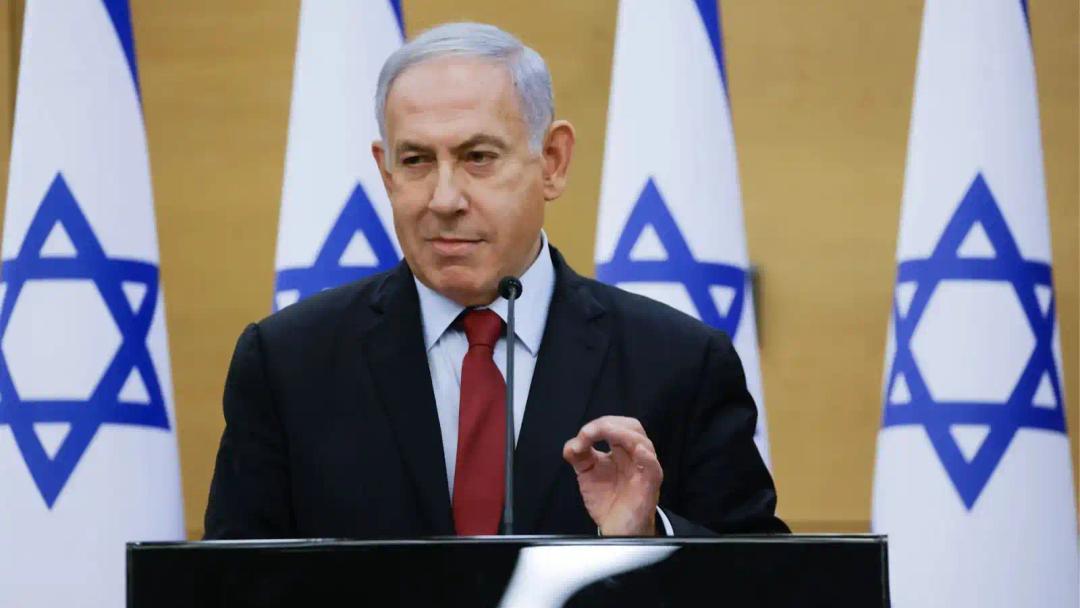
Israel rejects Trump’s Gaza peace plan, demands Hamas disarmament before withdrawal
Israeli Prime Minister Benjamin Netanyahu has rejected the latest US-backed peace proposal for Gaza, insisting that Israel will not withdraw its forces from the territory until Hamas is fully disarmed.
Netanyahu made the position clear on Sunday, more than a week after US President Donald Trump announced what he described as a breakthrough in negotiations and unveiled a 15-point plan through his Board of Peace aimed at securing lasting peace in Gaza.
In his first direct comments on the proposal, Netanyahu said Israel did not accept the plan.

“I want to be precise here: Israel rejects the 15-point document,” he said.
The Israeli prime minister added that the military would not withdraw until Hamas was “genuinely disarmed”, saying Israeli forces would continue to prevent threats against the country’s troops and citizens.
Netanyahu said Israel was still discussing the proposal with the United States, noting that some of Washington’s ideas were acceptable while others were not.
He also reiterated his opposition to the creation of a Palestinian state.
“As long as I am prime minister, no Palestinian state will be established — not in Gaza and not in the West Bank,” Netanyahu said.
Trump announced the peace initiative on July 31, describing it as a framework for securing the disarmament of Hamas and other armed groups in Gaza.
Hamas, however, has said it would only proceed with the deal if Israel stopped its attacks in Gaza and withdrew its forces to the “yellow line” established under an earlier ceasefire agreement.
On Sunday, senior Hamas official Bassem Naim said the group remained committed to the roadmap proposed by Trump’s Board of Peace.
Naim called on mediators and the United States to pressure Netanyahu’s government to implement the proposal and avoid actions that could derail the process.
Egyptian Foreign Minister Badr Abdel-Aati also urged all parties to honour their commitments and avoid actions that could undermine progress towards implementing the agreement.

Political pressure on Netanyahu
Netanyahu’s rejection of the proposal comes as his right-wing coalition faces growing political pressure ahead of elections expected at the end of October.
The Israeli prime minister is also facing demands from hardline members of his coalition to reject concessions to Hamas and maintain military control over parts of Gaza.
Israeli forces currently control more than half of Gaza, particularly areas in the eastern and southern parts of the territory. Some senior Israeli ministers have called for further expansion of that control.
Far-right Finance Minister Bezalel Smotrich welcomed Netanyahu’s position, insisting that Israeli forces should not withdraw from Gaza.
Netanyahu’s stance is expected to further strain relations with Trump, despite the Israeli leader previously describing the US president as one of Israel’s strongest friends in the White House.
Tensions between the two leaders’ governments have also emerged over Israeli military operations in Lebanon and disagreements surrounding the ceasefire with Iran.
The conflict in Gaza began following the October 7, 2023, Hamas attack on Israel, after which Netanyahu vowed to eliminate the group. The ensuing Israeli military campaign has devastated large parts of Gaza, leaving extensive destruction across the territory.