

Civil Society Organisations (CSOs), including Policy Alert and BudgIT Foundation, have expressed concern over the poor enforcement of methane emission laws and regulations in Nigeria.
The organisations said the situation has been worsened by inadequate media coverage of methane emissions and gas flaring, stressing that sustained and detailed reporting is necessary to hold relevant authorities and operators accountable.
The concerns were raised during a webinar titled “Media, Accountability and Methane Emissions Enforcement,” organised by the groups on Tuesday. They noted that stronger enforcement of environmental laws would improve environmental governance and help protect communities affected by pollution.
Edidiong Dickson, Lead of the Energy Extractive Desk at Policy Alert, criticised the lack of accountability among stakeholders responsible for controlling methane emissions. He said the failure to properly enforce existing laws has negatively affected the health, livelihoods and environment of host communities.

Dickson stressed that journalists have an important role to play by bringing the experiences of affected communities to public attention and ensuring that regulators and operators are held accountable.
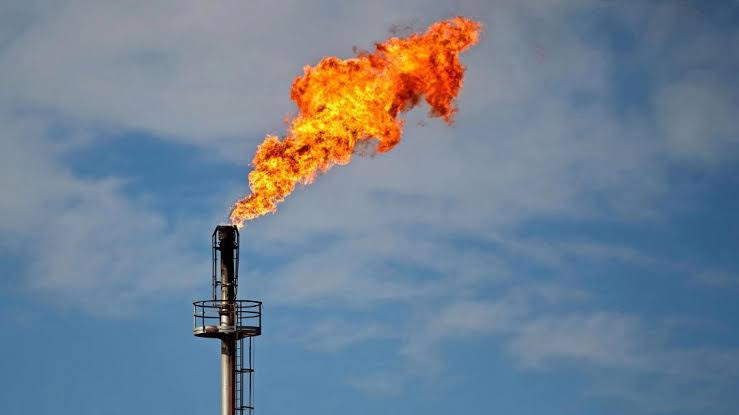
He described gas flaring as more than a normal business expense, noting that communities living around flare sites continue to bear the health and environmental consequences.
Similarly, Enebi Opaoluwa of BudgIT Foundation said efforts to enforce methane emission regulations have been weakened by inadequate reporting.
He argued that consistent and evidence-based media coverage could turn technical violations into issues of public concern, creating pressure on regulatory agencies to take action.

Participants at the webinar also highlighted the environmental, public health and climate risks associated with methane emissions, particularly those resulting from routine gas flaring.
They called for sustained, evidence-based journalism to increase public awareness, monitor regulatory compliance, highlight the experiences of affected communities and strengthen enforcement by relevant government authorities.




