

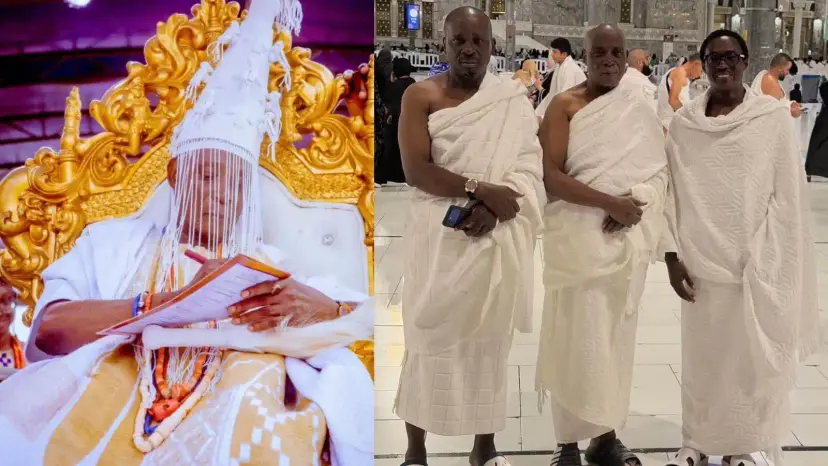
Oba Rashidi Adewolu Ladoja, Arusa I, the Olubadan of Ibadanland, has sparked reactions online after travelling to Saudi Arabia to perform Umrah, also known as the Lesser Hajj.
The traditional ruler undertook the pilgrimage in September 2026 as part of activities marking his first year on the throne as the 44th Olubadan of Ibadanland, a position he assumed in 2025.

Ladoja, a former governor of Oyo State and the current Chairman of the Oyo State Council of Traditional Rulers, was pictured in Saudi Arabia alongside three other individuals during the pilgrimage.
However, some of the photographs generated debate online after showing the monarch with his head uncovered while dressed in ihram.
Some social media users questioned his appearance, with some arguing that a traditional ruler of his status should not have been seen with his head uncovered while performing the pilgrimage.
Other Muslims and social media users familiar with the practices of Umrah explained that male pilgrims are required to leave their heads uncovered while in the state of ihram as part of the Islamic rites.
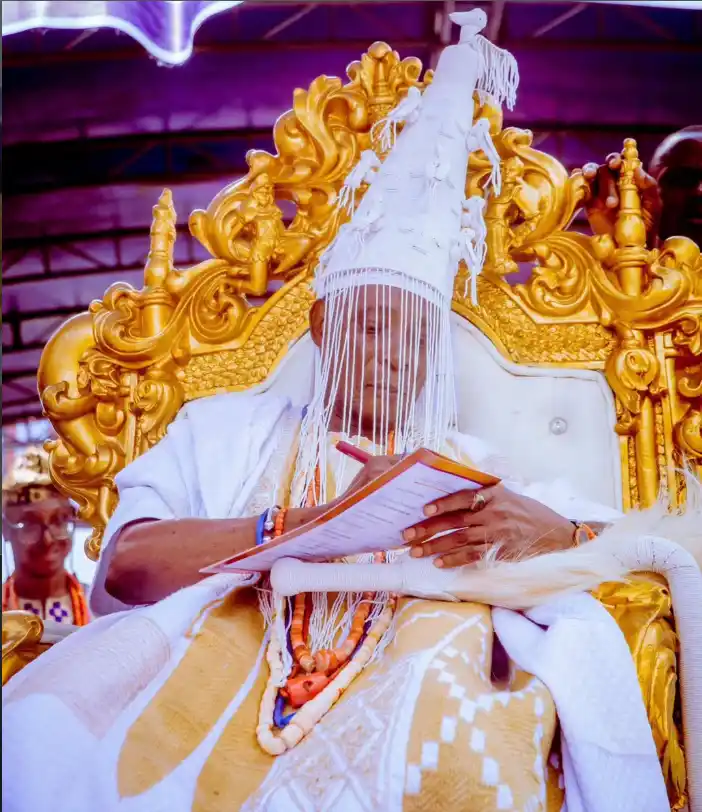
They also noted that the practice reflects humility and equality before Allah, with pilgrims participating in the rites regardless of their social, political or traditional status.
The discussion has generated different reactions, with some users calling for greater tolerance and respect for religious practices.
Others also pointed to the participation of traditional rulers in different religious activities and urged the public to focus on the spiritual significance of the pilgrimage rather than the monarch’s appearance.
Social media reactions have reflected differing views about the relationship between Yoruba traditional institutions, indigenous traditions and the practice of Islam.
One user questioned why a Yoruba traditional ruler would travel to Makkah and appear with his head uncovered, while another argued that Yoruba kings should exclusively practise ìṣẹ̀ṣe.
Other users defended Ladoja’s decision to perform Umrah, explaining that the absence of head covering for male pilgrims during ihram is part of the religious requirements of the pilgrimage.
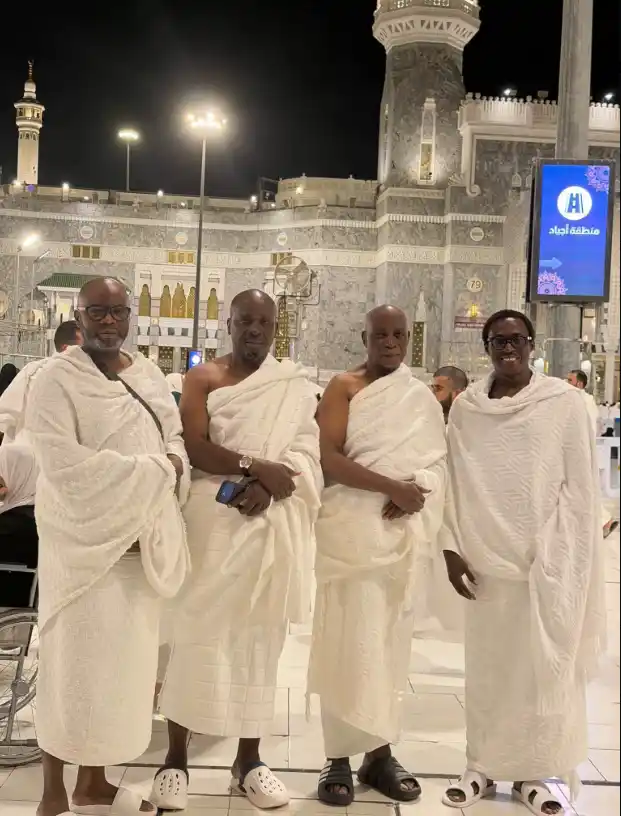
One commenter described equality before Allah as one of the important lessons of Hajj and Umrah, noting that social status does not distinguish pilgrims during the religious rites.
Another user argued that a traditional ruler can practise his chosen religion without abandoning his cultural responsibilities, while criticising what he described as attempts to police the monarch’s religious practice.
The debate has continued online as images of Oba Ladoja performing Umrah circulate on social media.
The pilgrimage comes during his first year as Olubadan of Ibadanland and has placed renewed attention on the intersection of traditional leadership, religious identity and Yoruba cultural heritage.




