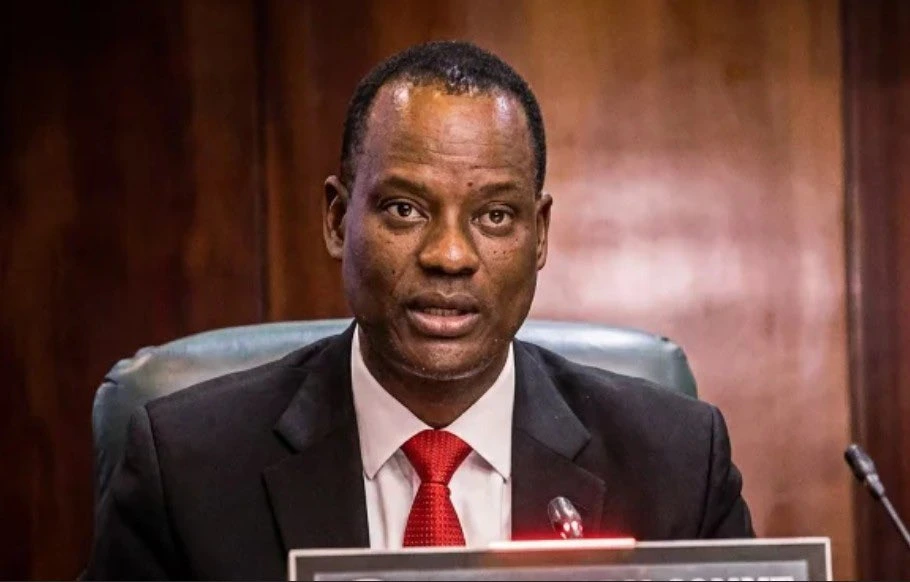
Nigeria’s Minister of Finance and Coordinating Minister of the Economy, Taiwo Oyedele, has received recognition from the leadership of the International Monetary Fund (IMF) and the World Bank for his role in leading the Group of 24 (G-24), an organisation of developing countries that coordinates positions on international monetary and development issues.
The commendation came during the 2026 IMF and World Bank Group Annual Meetings in Bangkok, Thailand, where Oyedele chaired the G-24 Board of Governors meeting. Discussions focused on financial challenges facing developing economies and the need for reforms to make the international financial system fairer and more accessible.

IMF Managing Director Kristalina Georgieva and World Bank Senior Managing Director Axel van Trotsenburg, representing World Bank President Ajay Banga, joined other G-24 governors in acknowledging Oyedele’s leadership.
The meeting also addressed the growing financial pressures on developing countries, particularly rising borrowing costs, increasing debt obligations and limited access to affordable development funding.
Oyedele called for reforms to the IMF’s quota and governance structures, stronger representation for developing countries at the World Bank and improved access to development finance. He also advocated faster and more coordinated debt restructuring to help vulnerable economies manage their financial obligations.

He noted that rising interest rates, economic uncertainty and increased demand for financing artificial intelligence and energy infrastructure were making borrowing more expensive for developing nations.
The G-24 discussions further highlighted the need for stronger international cooperation on climate financing, tax avoidance and illicit financial flows. Participants stressed that developing economies require a greater voice in global economic decision-making.
The commendation marks a notable moment for Nigeria’s participation in international financial discussions, as the country continues to engage with global institutions on reforms aimed at supporting economic stability and sustainable development.