


Security, affordable living, jobs and productive infrastructure emerge as central themes in the 2027 campaign, as National Patriots urges a clear connection between policy decisions and household benefits.
By Princess Gloria Adebajo-Fraser, MFR, MBA, MIoD, FIPMD
For Nigerians, the ultimate measure of economic reform is whether life becomes safer, work becomes more rewarding and a family’s income stretches further. President Bola Ahmed Tinubu’s campaign commitments should be understood against those everyday expectations.

Across recent campaign engagements, the President has outlined proposals covering security, agriculture, electricity, education, employment, pensions and infrastructure. Taken together, they suggest a governing message centred on translating economic adjustment into improvements citizens can recognise.
The Presidency’s account of his November 10 engagement in Jigawa identifies the campaign manifesto as “From Reforms to Prosperity.” That phrase captures the central task ahead: connecting difficult policy decisions with opportunity and household welfare.
Six broad priorities emerge from the reported commitments.

1. Security that restores livelihoods
Security promises carry their greatest significance beyond the battlefield. They concern whether farmers can cultivate their land, traders can transport goods and displaced families can return home.
At the November 14 rally in Jos, the Presidency reported that 1,000 federally recruited forest guards were undergoing training. It also announced that surveillance cameras had arrived for installation and referred to a technology-driven command centre to strengthen security operations. These were measures at different stages of preparation, rather than evidence that insecurity had already been overcome.
Their practical value will lie in safer communities, quicker responses and the restoration of productive activity.

2. Agriculture that supports farmers and consumers
The agricultural commitments connect two urgent needs: rewarding production and making food more affordable.
In Jigawa, Tinubu pledged further financing, mechanisation and irrigation support for small-scale farmers. The visit also included the commissioning of 400 tractors and agricultural equipment procured by the state government—an important distinction in attributing the investment correctly.
In Kebbi on November 17, the President promised support for rice mills in Birnin Kebbi, Argungu, Bagudo and Yauri, alongside rehabilitation of the Goronyo–Argungu irrigation scheme and Zauro Polder Project.
The economic logic is clear: more dependable water, equipment and processing capacity can strengthen production. Implementation must ensure that smaller farmers can actually access those benefits.
3. Reliable electricity and stronger enterprises
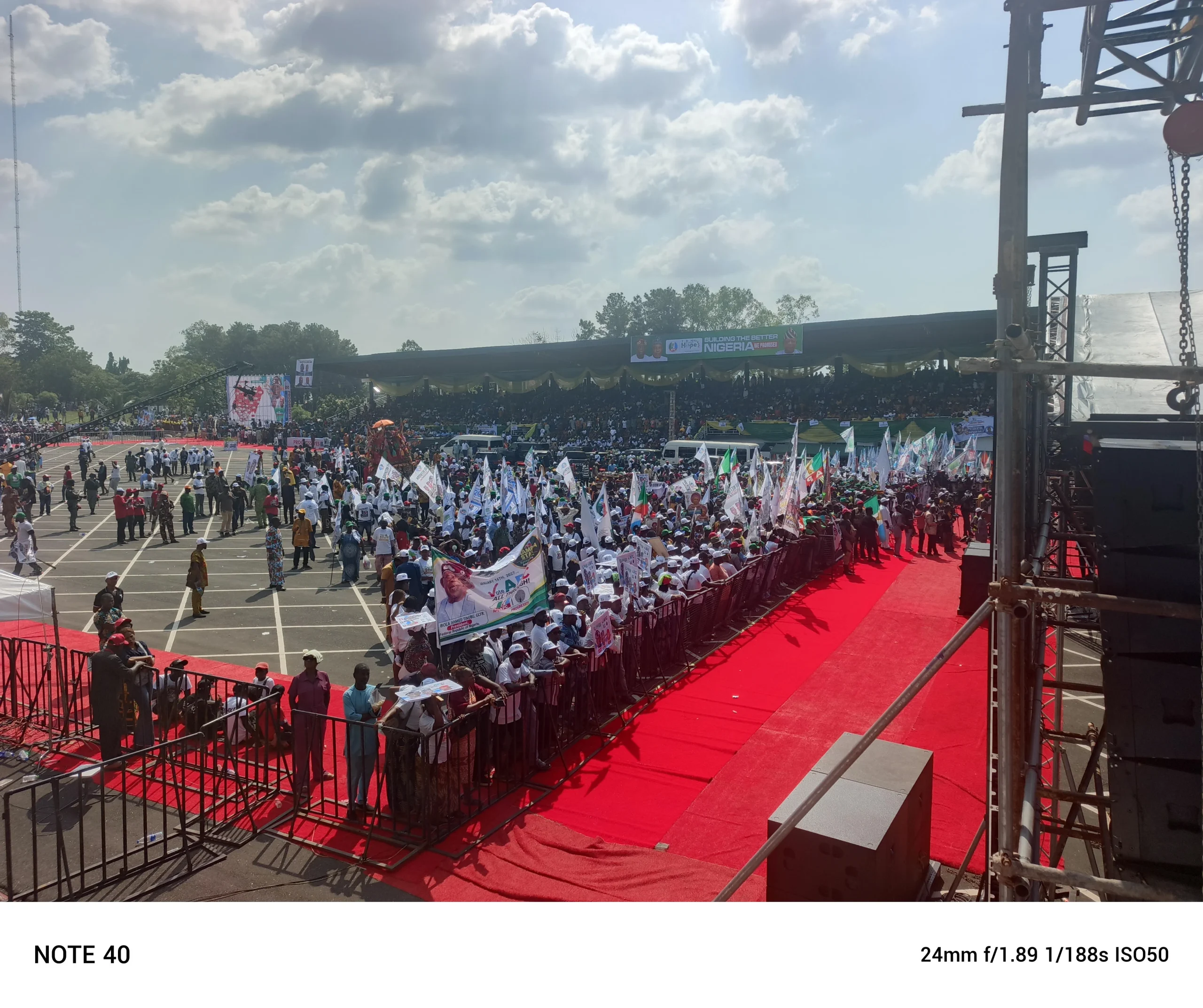
At the Jigawa rally, Tinubu also promised more reliable electricity, a stronger industrial base and support for smaller businesses.
For households, electricity means greater convenience and potentially lower expenditure on alternative power. For enterprises, it affects production costs, operating hours and competitiveness.
The strongest way to communicate this commitment is through service improvements: dependable supply, effective metering, fair billing and functioning complaints procedures. These are the experiences through which citizens will assess power-sector reform.
Reliable electricity also connects the President’s promises. Skills training becomes more valuable when workshops can operate; agricultural production becomes more profitable when processors and cold-storage facilities have dependable power.
4. Education, skills and employment
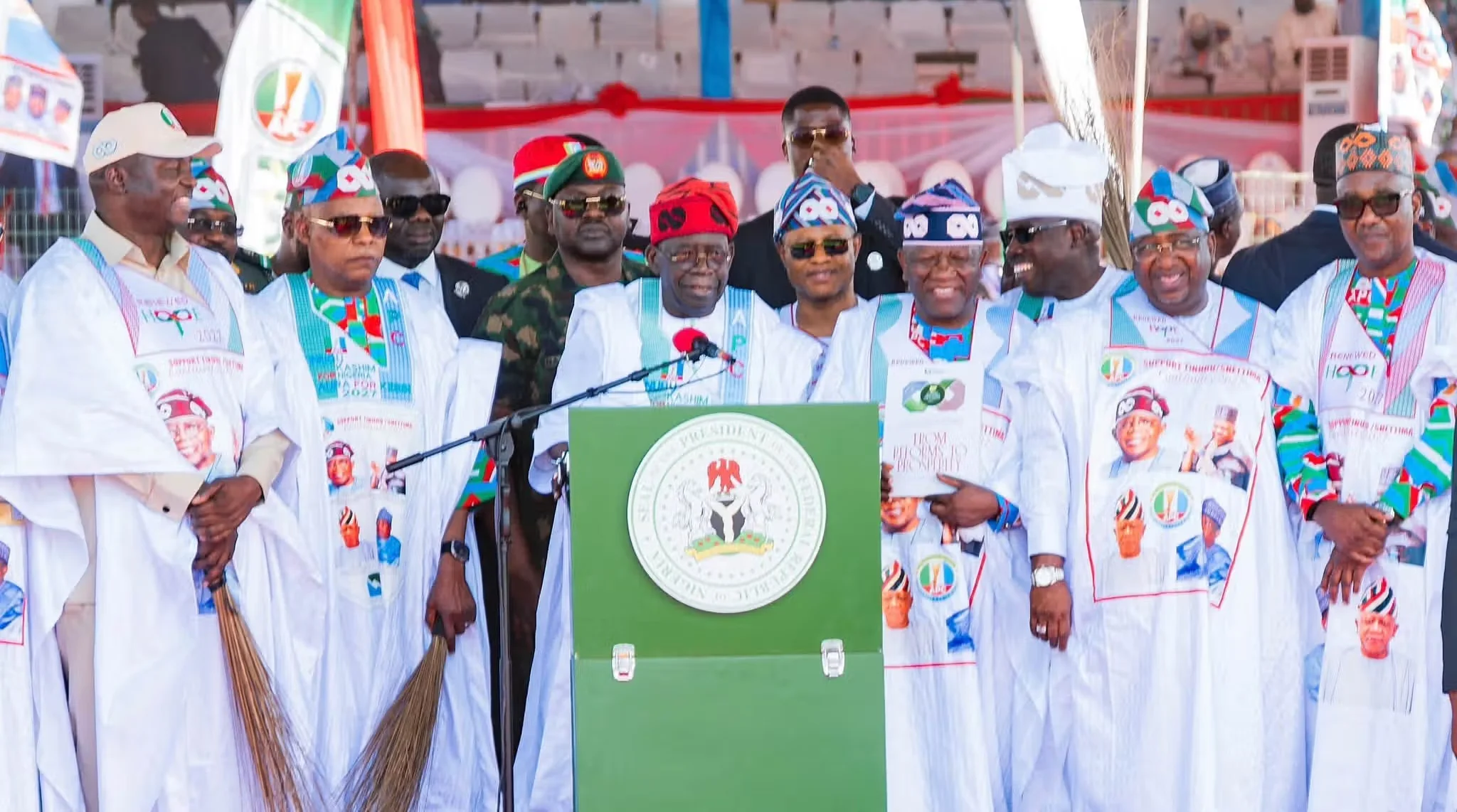
At the November 6 rally in Uyo, the President’s reported commitments included education, skills development and jobs.
These should be presented as connected stages of opportunity. Access to education must lead towards useful knowledge; training must connect with employers and enterprise; business support must help viable firms grow.
The Presidency reported that Tinubu commissioned skills and technical services centres during his Jigawa visit. Such facilities provide a practical setting for the employment message, although their lasting impact will depend on training quality, participation and opportunities after graduation.

5. Infrastructure that opens markets
In Akwa Ibom, Tinubu approved the request for the Ibom Deep Sea Port. In Kebbi, he approved the full operationalisation of the Tsamiya Inland Dry Port.
These commitments concern different facilities, but share a commercial purpose: improving access to trade.
Their significance should be explained through the businesses, producers and communities they are intended to serve. Approvals must progress through the necessary financing, construction or operational stages before their full benefits can be claimed.

6. Welfare that includes retired workers
The published account of Tinubu’s November 7 Rivers rally also records a commitment to addressing inherited pension and gratuity arrears.
For pensioners, payment represents dignity and the means to meet essential expenses. Public reporting should identify the relevant liabilities, responsible institutions and payments actually received. That gives the welfare commitment substance.
The National Patriots considers these priorities a useful framework for explaining the administration’s intended transition from reform to wider prosperity.
National Patriots: A Case for Continuity
The National Patriots commends President Bola Ahmed Tinubu for setting out a roadmap that connects economic reform with Nigerians’ pressing needs: security, affordable food, reliable electricity, jobs, education and protection for vulnerable households.
The hardship accompanying reform has exposed gaps in cushioning its impact. These commitments indicate an intention to address those shortcomings while consolidating the foundations for growth.
“Our case for continuity rests on completing the transition from reform to tangible public benefit. President Tinubu has outlined a direction that makes sense: strengthen production, protect livelihoods, expand opportunity and improve essential services. He deserves the opportunity of a second term to implement that roadmap, with clear milestones and accountability for results,” said Princess Gloria Adebajo-Fraser, MFR, President of the National Patriots.

Continuity must mean more than sustaining policies. It must mean correcting implementation weaknesses and ensuring that the gains of reform reach the Nigerians who have borne its costs.
“This is also the central question examined in Nigeria’s Great Reset: Rebuilding Today for a Prosperous Tomorrow, by Princess Gloria Adebajo-Fraser, MFR, to be launched soon. The book explores what the Tinubu administration inherited, the reforms undertaken, achievements and challenges, and the pathway towards lasting prosperity.

Princess Gloria Adebajo-Fraser, MFR, MBA, MIoD, FIPMD
President, The National Patriots
Member, APC-PCC Strategic Communications Committee 2027



