
Tinubu inherited over $100 billion in recorded public debt; historical evidence and international comparisons demand a fair assessment of borrowing, investment and repayment
By Princess Gloria Adebajo-Fraser, MFR
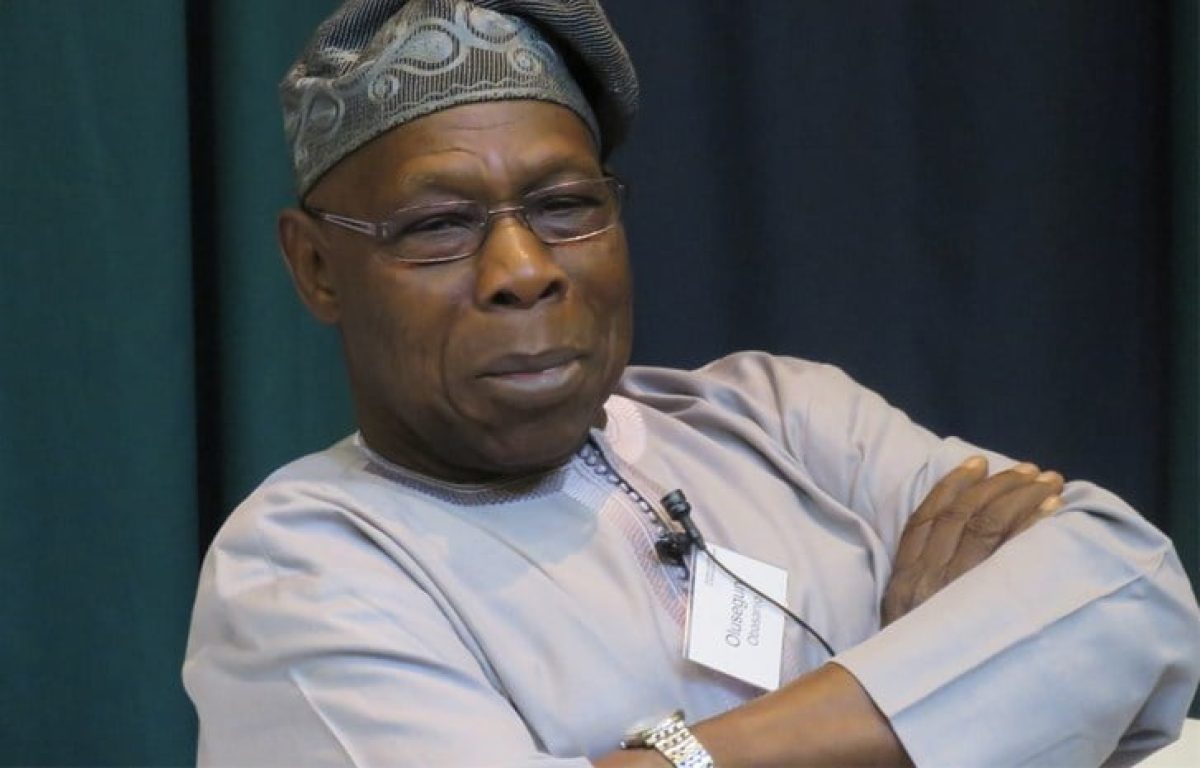
Former President Chief Olusegun Obasanjo recently criticised President Bola Ahmed Tinubu’s defence of borrowing, warning that its consequences could burden future generations. Speaking at the Ajibosin symposium in Abeokuta on October 30, 2026, he declared: “Debt is worse than leprosy. Because leprosy destroys only one person. Debt destroys generations.” His remarks challenged Tinubu’s position that government could borrow when necessary, provided it worked to repay.
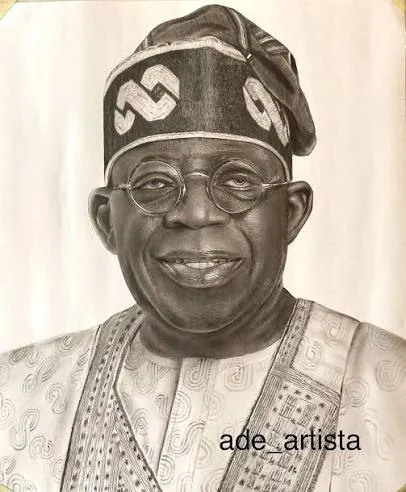
Such a warning deserves an informed response. Wasteful borrowing can impoverish generations, while productive investment can leave them functioning infrastructure, stronger businesses and greater opportunities. The distinction lies in financing terms, implementation and results.
THE SUBSTANTIAL DEBT TINUBU INHERITED
Debt Management Office records show Nigeria’s public debt stood at ₦49.85 trillion, equivalent to $108.30 billion, on March 31, 2023, before Tinubu’s inauguration. This excluded ₦22.7 trillion in existing Central Bank Ways and Means advances, whose securitisation received legislative approval in May 2023.
The latest DMO quarterly release located for this assessment records ₦166.79 trillion, equivalent to $120.93 billion, at June 30, 2026. External debt accounted for $54.52 billion, while domestic debt expressed in dollars accounted for $66.41 billion.
The published figures show a difference of approximately $12.64 billion between March 2023 and June 2026. This comparison underscores the substantial debt burden Tinubu inherited, although repayments, exchange-rate movements and the inclusion of existing liabilities mean the difference is not a measure of fresh borrowing.
A fair assessment must distinguish the President’s inheritance from his administration’s decisions. Nigeria’s accumulated debt cannot reasonably be presented as though it originated with Tinubu.
OBASANJO ALSO USED DEVELOPMENT BORROWING
Historical fairness should apply consistently. Nigeria’s external debt stood at $28.77 billion at the end of 1998, before Obasanjo assumed civilian office, and $28.04 billion at the end of 1999. It subsequently reached $35.94 billion in 2004.
His Paris Club settlement deserves recognition. The October 2005 agreement provided approximately $18 billion in cancellation, with Nigeria paying approximately $12.4 billion through arrears clearance and settlement arrangements. This was a significant achievement.
Nevertheless, development borrowing continued. The DMO records approximately $501.41 million in external loan disbursements in 2006, excluding grants. A World Bank announcement in June 2005 documented approval of a $172 million IDA credit for national energy development. His government therefore combined debt reduction with development financing.
That experience supports disciplined borrowing. Tinubu deserves assessment against the same principle: whether financing is manageable and produces lasting public benefits.
GLOBAL PRESSURES AND CURRENCY EFFECTS
Nigeria faces international financing pressures alongside domestic challenges. The IMF’s October 2026 analysis identifies persistent inflation, energy pressures and higher financing costs as factors worsening government debt dynamics internationally. Nigeria is not confronting these pressures in isolation.
Exchange rates also matter. Illustratively, a $1 billion obligation equals ₦460 billion at ₦460 per dollar, but ₦1.38 trillion at ₦1,380. Its dollar principal remains unchanged while its naira value triples.
The repayment burden increases, but that valuation change is not equivalent to fresh borrowing. Similarly, securitising Ways and Means advances restructures an existing liability rather than extinguishing it. These distinctions are essential to interpreting headline figures.
HOW OTHER NATIONS FINANCE DEVELOPMENT
Germany established a €500 billion borrowing authorisation for infrastructure and climate neutrality, with investment approvals spanning 2025–2036. Even an advanced economy uses borrowing to address investment backlogs.
India secured approval for a $245 million World Bank loan in June 2022 to modernise rail freight and logistics. South Africa’s July 2026 financing included a $1.5 billion World Bank loan supporting reforms addressing electricity, freight transport, water and sanitation constraints.
These examples demonstrate the international use of borrowing to strengthen productive capacity. Their relevance lies in project quality, financing terms and delivery. Approved financing establishes an intended purpose; implementation determines whether citizens receive the benefits.
Nigeria also has identifiable development financing. Under Tinubu, the World Bank approved $750 million in IDA credit for DARES, designed to expand electricity access for 17.5 million people. Actual connections, reliable service and economic benefits should determine its success.
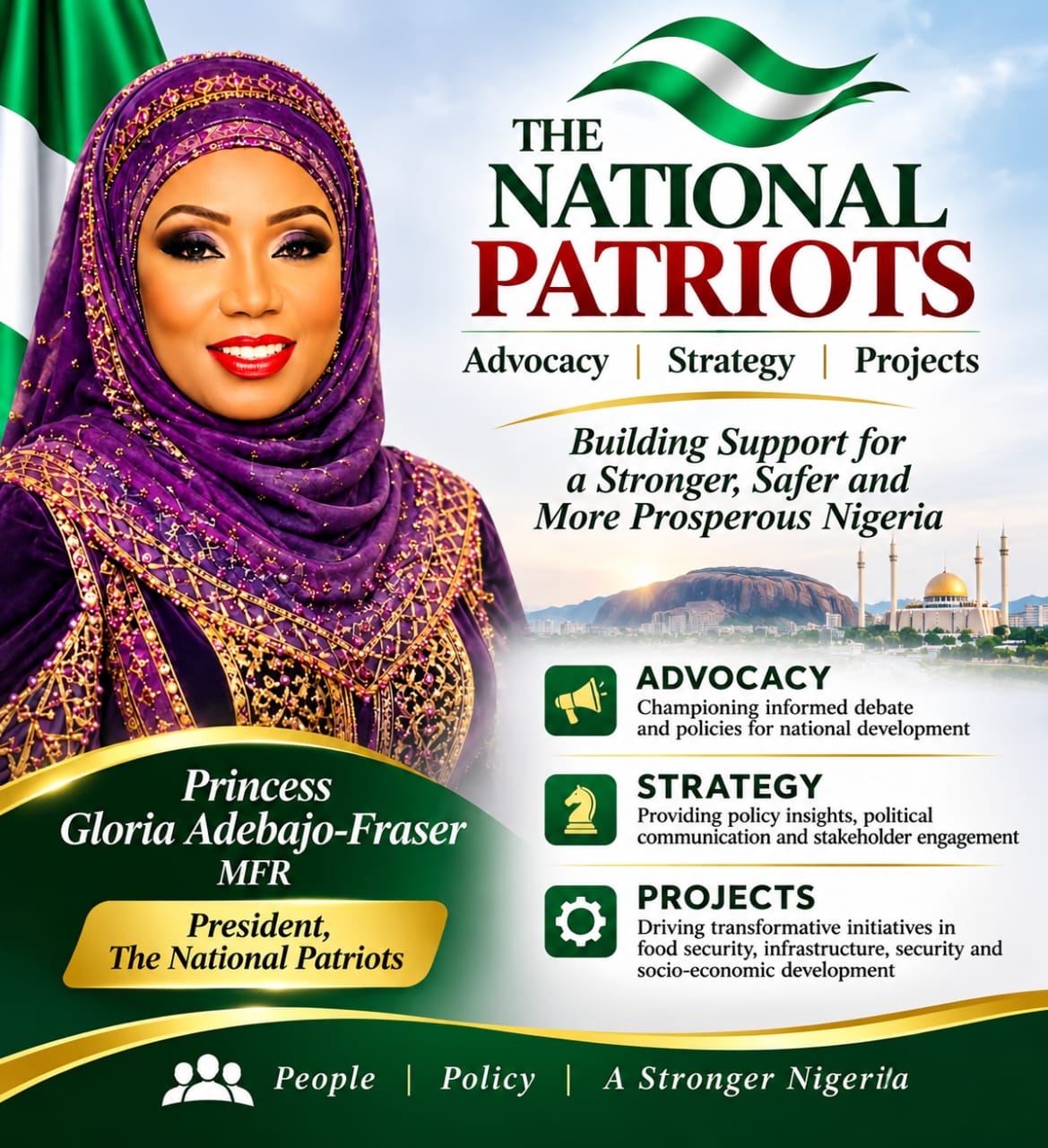
THE NATIONAL PATRIOTS POSITION
National Patriots commends President Tinubu’s commitment to professional debt management while undertaking difficult structural adjustments and economic reforms. Managing inherited obligations alongside development needs requires discipline, institutional coordination and sustained attention to public finances.
We support financing that strengthens infrastructure, education, productivity and effective social protection. Transparent contracts, manageable repayment terms and measurable delivery will reinforce the justification for these investments.
Chief Obasanjo’s experience remains valuable. His interventions would contribute more through practical guidance that acknowledges inherited challenges and helps strengthen implementation.
Our guiding principle is expressed in an original Latin formulation: “Mutuamur ut aedificemus”—“We borrow so that we may build.”
Future generations deserve manageable obligations and a more productive country. Responsible leadership must deliver both.
Princess Gloria Adebajo-Fraser, MFR, MIoD, FIPMD.
President, National Patriots
Member, APC-PCC Strategic Communications Team 2027