

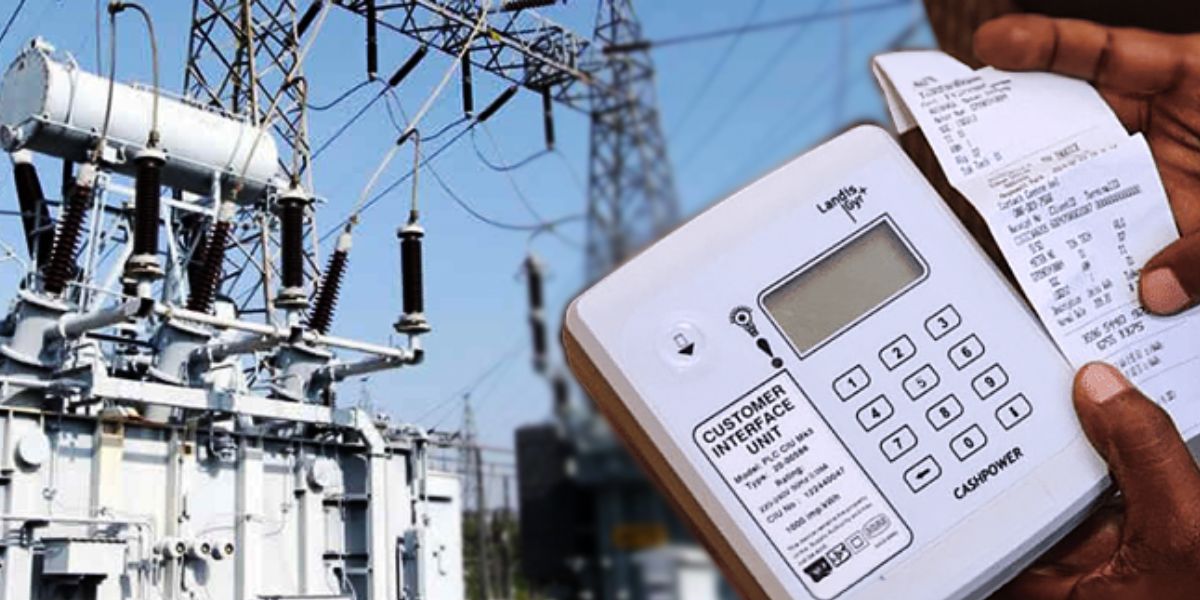
₦30 billion approved for another phase of free meters; what electricity customers should know about billing, refunds and reporting abuse
Headlinenews.News | November 26, 2026
Nigeria’s electricity reforms are reshaping how power is regulated, how meters are financed and how consumers can challenge unfair treatment. For households and businesses, the practical questions remain straightforward: Is supply improving? Are bills accurate? Who takes responsibility when service falls short?
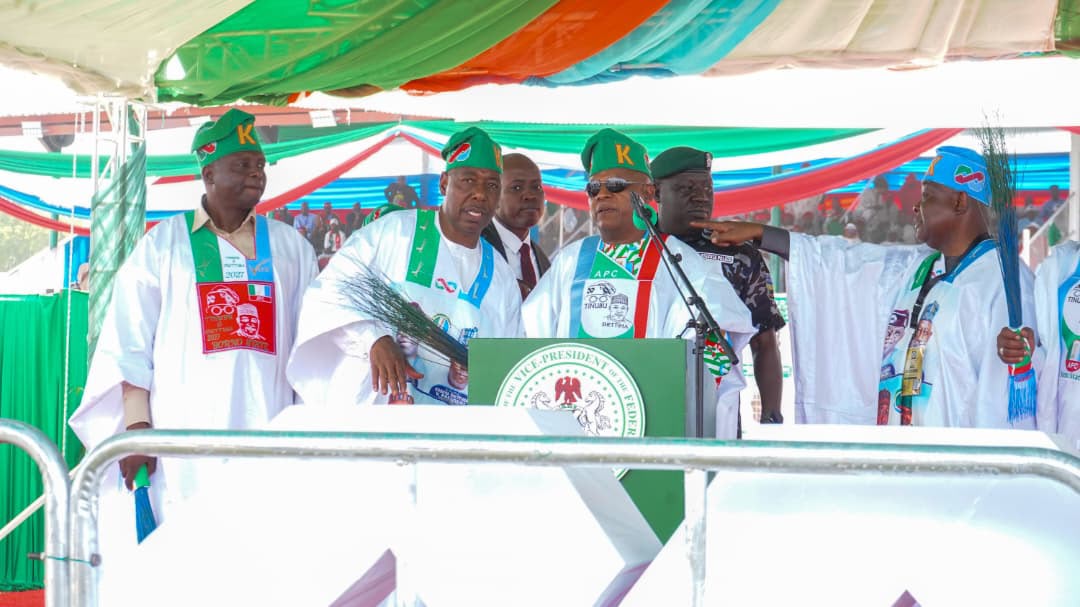
Official records show progress in metering and the development of state electricity markets, alongside measures to address sector debts and enforce consumer protections. However, these developments should be distinguished from claims that uninterrupted electricity has already been achieved.
MORE AUTHORITY FOR STATES
The Electricity Act 2023, signed by President Bola Ahmed Tinubu, provides a framework for decentralised electricity markets, allowing qualifying states to assume regulatory oversight of electricity activities within their jurisdictions.
This builds on the 2023 constitutional amendment removing the restriction that previously limited state electricity legislation to areas outside national-grid coverage. States therefore had an electricity role before 2023; the reforms expanded that authority and established arrangements for transferring regulatory responsibilities.
The practical opportunity is greater scope for state-led investment, local accountability and electricity solutions tailored to regional needs. The legal framework creates that opportunity; investment and effective implementation determine the results.
OVER EIGHT MILLION CUSTOMERS METERED
NERC’s July–August 2026 factsheet records 8,045,565 metered customers out of 12,749,789 active electricity customers at the end of August—a metering rate of 63.10 per cent.
These figures refer to registered electricity customer accounts, rather than the proportion of all Nigerian households with meters. They also show that a substantial metering gap remains.
To accelerate deployment, NERC approved ₦30 billion, not ₦300 billion, for Tranche C of the Meter Acquisition Fund, effective November 2, 2026.
The allocation targets remaining unmetered Band A customers and additional Band B customers. Installations under this tranche must be completed by May 31, 2027.
NERC expressly states that meters supplied and installed under MAF are free of charge and must bear the inscription “NOT FOR SALE.” Customers allocated these meters should not pay unofficial procurement or installation charges.
FREE METERS AND MAP METERS: KNOW THE DIFFERENCE
Customers should establish which metering programme applies to their premises.
Free-meter interventions must not be confused with the Meter Asset Provider scheme, under which customers may make an approved upfront payment and recover the meter cost through regulated energy credits.

Registration or completion of customer information does not, by itself, guarantee immediate allocation under a free-meter programme. Customers should obtain their eligibility and installation information directly from their electricity provider.
CLAIMING MAP METER REFUNDS
NERC’s amended reimbursement order, effective March 1, 2026, requires automated MAP meter reimbursements.
For prepaid customers, monthly reimbursement tokens should be generated no later than the fourth day of each month and sent to the telephone number and email address registered to the account. Postpaid customers should receive a separately identified credit on their bills.
The order also provides for accelerated repayment of ₦20.33 billion in accumulated outstanding reimbursements, identified as at December 31, 2025, over 12 months commencing March 2026. This catch-up arrangement is distinct from the ordinary monthly reimbursement schedule.
Customers should retain their meter payment receipt, account details and reimbursement history when querying missing credits.
ADDRESSING GENERATION COMPANY DEBTS
The Federal Government has reported paying ₦1.23 trillion towards an agreed ₦3.3 trillion debt settlement for electricity generation companies.
The payment addresses financial pressures affecting the electricity supply chain, including obligations connected with gas supply. It should not be described as clearance of all sector debts or proof that gas shortages and grid disturbances have ended.

BAND A CHARGES REQUIRE SERVICE ACCOUNTABILITY
Band A classification carries a minimum supply commitment of 20 hours daily.
The federal regulatory framework includes provisions for downgrading Band A feeders that fail to meet their service commitment for seven consecutive days. Customers should check the current tariff order applicable to their provider and document persistent shortfalls when requesting a review or compensation. A single interruption should not be presented as automatically triggering a downgrade.
TRANSFORMERS AND ESTIMATED BILLS: UNDERSTAND YOUR RIGHTS
NERC’s guidance states that communities are not responsible for buying transformers, poles and similar assets for distribution companies.
Consumers are generally not required to fund repairs or replacement of DisCo assets, except where customers are proven to have deliberately damaged them. Where a community voluntarily finances infrastructure to accelerate service, it should obtain a documented agreement providing for reimbursement under the applicable rules.
Unmetered customers also have protection against billing above approved feeder energy caps. These protections predate some recent reforms; the task is to ensure that providers comply with them consistently.

HOW TO REPORT OVERBILLING OR UNOFFICIAL CHARGES
Begin with a written complaint to your electricity provider’s Customer Complaints Unit. Obtain an acknowledgement or ticket number and attach relevant bills, receipts, photographs and supply records.
NERC’s published guidance generally expects resolution within 15 working days, depending on the complexity of the complaint. Unresolved complaints within its jurisdiction can proceed to the relevant Consumer Forum, followed by an appeal to NERC.
Where a state regulator has assumed oversight, use the applicable state complaints process. Lagos consumers can seek guidance from LASERC, which has established electricity complaints resolution panels.
Official channel Contact
Ikeja Electric customer care 0201 700 0250; customercare@ikejaelectric.com
Ikeja Electric whistleblowing 0800 847 6337; expressyourself@ikejaelectric.com
Lagos electricity regulator 0916 934 6145; info@laserc.com.ng; LASERC
Federal electricity complaints guidance NERC complaints procedure
Additional consumer protection channel FCCPC

The contact information above is drawn from the organisations’ official channels.
THE NATIONAL PATRIOTS POSITION
National Patriots commends President Tinubu’s administration for advancing electricity decentralisation, supporting metering and addressing financial constraints in the power sector.
These measures offer foundations for better service and stronger accountability. Their value will be demonstrated through more accurate bills, functioning infrastructure, timely refunds and dependable electricity for homes and businesses.
We encourage consumers to understand their rights, retain evidence and report abuse through official channels. Regulators should ensure that protections translate into remedies, while electricity providers should make programme eligibility, charges and complaints procedures clear.
Nigeria’s power reset will have its greatest meaning when reform is felt in the home, the workshop, the hospital and the marketplace.
Princess Gloria Adebajo-Fraser, MFR, MIoD, FIPMD
President, National Patriots
Member, APC-PCC Strategic Communications Team 2027



