


By the National Patriots
The emergence of new geopolitical alignments among Western allies and the expanding influence of BRICS economies signal a profound transformation in the global order.
Long-standing alliances are being recalibrated, and economic blocs are increasingly forming around shared strategic interests rather than historical loyalties.
For Nigeria, Africa’s largest economy and most populous nation, the lesson is clear: national security and economic resilience must never depend on a single external power.
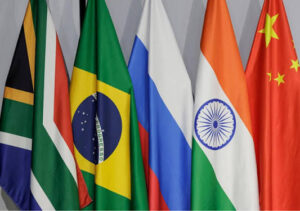
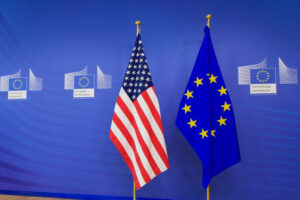
Recent global developments, including tensions within traditional Western alliances and the strengthening of alternative economic coalitions, illustrate that the international system is gradually moving toward a multipolar structure where influence is distributed among several power centers.
In such an environment, countries that preserve strategic autonomy will be better positioned to protect their sovereignty and pursue sustainable development.
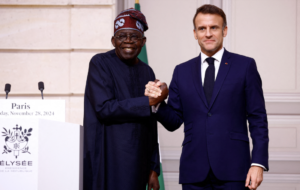
The National Patriots believe Nigeria must adopt a balanced and forward-looking geopolitical posture. While maintaining cordial relations with long-standing partners such as the United States and European nations, Nigeria should simultaneously expand its diplomatic, economic, and security engagement with emerging global actors.
Diversifying Strategic Partnerships
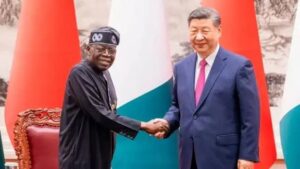
Nigeria already maintains defence cooperation agreements and security partnerships with several countries including Türkiye, China, Pakistan, India, Brazil, and the United Kingdom.
These relationships provide an opportunity for Nigeria to broaden the sources of military technology, intelligence sharing, and counterterrorism cooperation.

Relying excessively on a single partner for security support can create vulnerabilities, particularly during periods of shifting global priorities.
A diversified network of defence collaborations will enhance Nigeria’s operational capacity and strategic independence.
Strengthening Indigenous Defence Capability

A key pillar of Nigeria’s long-term security must be the development of a robust domestic defence industry.
The Defence Industries Corporation of Nigeria (DICON) has already begun reforms aimed at modernizing local arms manufacturing and encouraging joint ventures with foreign partners.
Expanding this effort would enable Nigeria to produce more of its own military equipment, reduce procurement costs, and strengthen national security resilience.
Countries such as Türkiye, Brazil, and South Korea have demonstrated that sustained investment in domestic defence production can transform national security capacity within a generation.
Leveraging the BRICS Economic Ecosystem
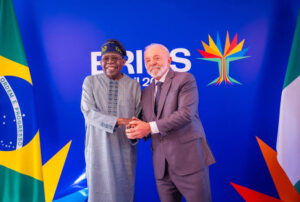
The growing influence of BRICS economies presents another strategic opportunity for Nigeria.
These countries represent a significant share of global population, manufacturing capacity, and emerging financial systems.
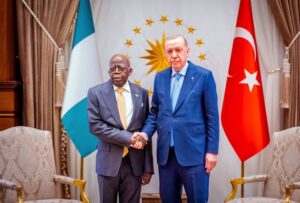
Closer economic cooperation with BRICS partners could open new channels for infrastructure financing, industrial investment, and trade settlement mechanisms that reduce overdependence on traditional Western financial systems.
Nigeria’s participation in such frameworks—while maintaining its Western partnerships—would provide greater flexibility in navigating global economic shifts.
Technology Sovereignty and Intelligence Modernization
Modern security challenges increasingly revolve around cybersecurity, artificial intelligence, satellite intelligence, and digital surveillance systems.
To remain competitive in this evolving landscape, Nigeria must invest heavily in indigenous technological capabilities.
Partnerships with technologically advanced countries should focus not only on procurement but also on knowledge transfer, research collaboration, and local manufacturing.
Such investments would reduce long-term reliance on foreign intelligence infrastructure while strengthening Nigeria’s ability to combat terrorism, cybercrime, and organized transnational threats.
Regional Leadership in West Africa
Nigeria’s strategic importance extends beyond its borders.
As the largest economy and military power in West Africa, Nigeria plays a central role in maintaining regional stability.

Strengthening security cooperation within ECOWAS and reinforcing regional peacekeeping capabilities will ensure that West Africa remains capable of addressing its own security challenges without excessive external intervention.
Regional leadership also enhances Nigeria’s diplomatic influence in global negotiations.
Strategic Commodities as Diplomatic Leverage
Nigeria’s vast reserves of oil, gas, lithium, and other strategic minerals provide an important diplomatic advantage.
These resources are increasingly vital to the global energy transition and advanced technology industries.

By linking resource partnerships with technology transfer, industrial investment, and security cooperation, Nigeria can negotiate agreements that advance both economic growth and national security.
A Balanced Path Forward
The National Patriots emphasize that Nigeria’s objective should not be to abandon existing allies but to build a balanced network of partnerships that protects national sovereignty.
In an era where global alliances are shifting and new economic blocs are emerging, strategic independence will become one of the most valuable assets a nation can possess.
Nigeria must therefore position itself not as a dependent participant in global power struggles, but as a confident and independent actor capable of engaging with all partners while preserving its national interests.
The evolving world order presents both challenges and opportunities. For Nigeria, the task ahead is to navigate these changes with clarity, prudence, and an unwavering commitment to national sovereignty.
Dr. G. Fraser. MFR.
The National Patriots.




