

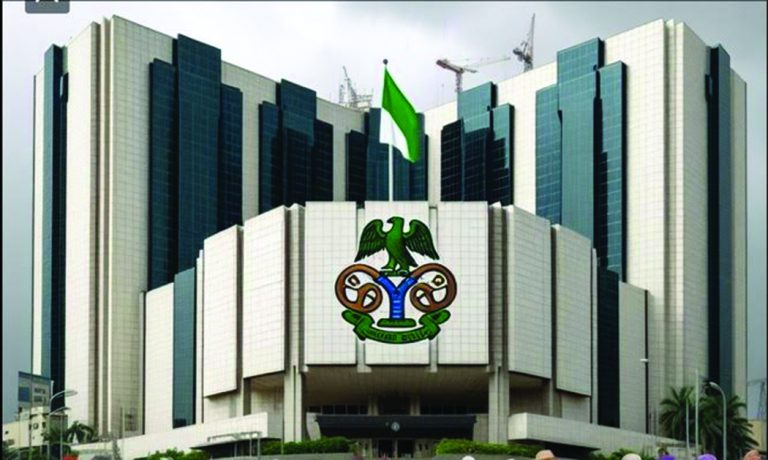
The combined Cash Reserve Requirement (CRR) deposits of Stanbic IBTC, FCMB, and three other major Nigerian banks held with the Central Bank of Nigeria (CBN) have climbed to N6.9 trillion, reflecting the intensified monetary tightening measures implemented under Governor Olayemi Cardoso’s leadership.

The surge in locked-up funds stems from successive hikes in the CRR ratio during the current administration. At the February 2024 Monetary Policy Committee (MPC) meeting—the first chaired by Cardoso—the CRR for commercial banks was raised to 45 per cent. It was further increased to 50 per cent in August 2024, while merchant banks saw their CRR climb from 10 per cent to 14 per cent in March 2024.

These aggressive adjustments were introduced to combat persistent inflationary pressures and support naira stability. Although headline inflation moderated to 15.15 per cent in December 2025 following the National Bureau of Statistics’ rebasing exercise, policymakers remain vigilant about underlying price pressures and pass-through effects from food, energy, and exchange rate volatility.

While the CBN views the elevated CRR as a critical tool to anchor inflation expectations and curb excess liquidity, commercial banks and their shareholders increasingly describe it as a structural drag on profitability.
With nearly half of customer deposits now sterilised at the apex bank—earning zero interest—lenders continue to bear the full cost of interest payments on the entire deposit base.

“As it stands, we are paying interest on 100 per cent of deposits but only have access to 55 per cent to lend out,” an executive director at a Tier-2 bank told a source, highlighting the margin compression many lenders are experiencing.
Boniface Okezie, Chairman of the Progressive Shareholders Association of Nigeria (PSAN), voiced similar frustration on behalf of investors. He noted that shareholders have long advocated for the payment of interest on mandatory reserves to alleviate the earnings pressure and support dividend sustainability.

“The funds deposited by banks with the CBN are not used. If these funds were with banks, it would certainly enhance their earnings and returns to shareholders. It would create more banking expansion,” Okezie said.
He proposed that even a modest three per cent interest rate on CRR balances could unlock additional lending capacity to the real sector and bolster banks’ ability to reward shareholders.

The N6.9 trillion figure—covering Stanbic IBTC, FCMB, and three other unnamed banks—illustrates the scale of funds sterilised under the current policy stance. Industry stakeholders continue to call for a balanced approach that addresses inflation without disproportionately penalising deposit-taking institutions and their investors.




