
A Federal High Court has fixed April 22 for the arraignment of former Kaduna State Governor, Nasir El-Rufai, over allegations of unlawful interception of communications.
The case, filed by the Department of State Services (DSS), contains a three-count charge bordering on alleged illegal phone tapping.
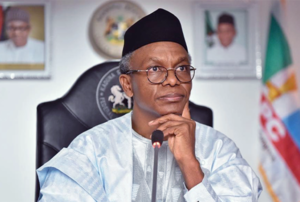
The charges reportedly stem from comments made by the former governor during a recent television interview.
The matter was earlier scheduled for arraignment on February 25.
However, proceedings did not go ahead as El-Rufai was absent from court.

Counsel to the DSS, Oluwole Aladedoyin, informed the court that the former governor remains in the custody of the Independent Corrupt Practices and Other Related Offences Commission (ICPC), where he is being investigated over separate allegations of financial misappropriation.

Following the disclosure, the presiding judge adjourned the case to April 22 for formal arraignment.
Legal and Political Implications.
The development adds a new legal layer to El-Rufai’s ongoing challenges.
While the phone-tapping case relates specifically to alleged unlawful interception of communications, his continued detention by the ICPC connects the episode to broader anti-corruption investigations.

Legal analysts note that the arraignment stage will determine whether the former governor enters a plea and whether the court grants bail in the DSS matter, subject to existing custody arrangements.
Due Process and Public Interest.
El-Rufai, a prominent political figure and former cabinet nominee at the federal level, has yet to publicly respond to the specific charges in court.
Under Nigerian law, allegations remain unproven until tested through judicial proceedings.

The coming weeks are expected to clarify:
Whether the DSS will seek remand or conditional bail.
The status of the ICPC investigation
Possible consolidation or separation of proceedings

As the April 22 date approaches, the case is likely to generate significant political and legal debate, particularly concerning the scope of lawful surveillance, freedom of expression, and prosecutorial discretion.
Headlinenews.news will continue to monitor developments and provide updates as court proceedings unfold.
Imran Khazaly.
Headlinenews.news Special report