Call for Edo Electricity Market Reform as Expert Urges Swift Regulatory Action
The Edo State Government has been urged to urgently set up the Edo State Electricity Regulatory Commission (ESERC) as part of efforts to liberalise the state’s power sector and attract new investments.
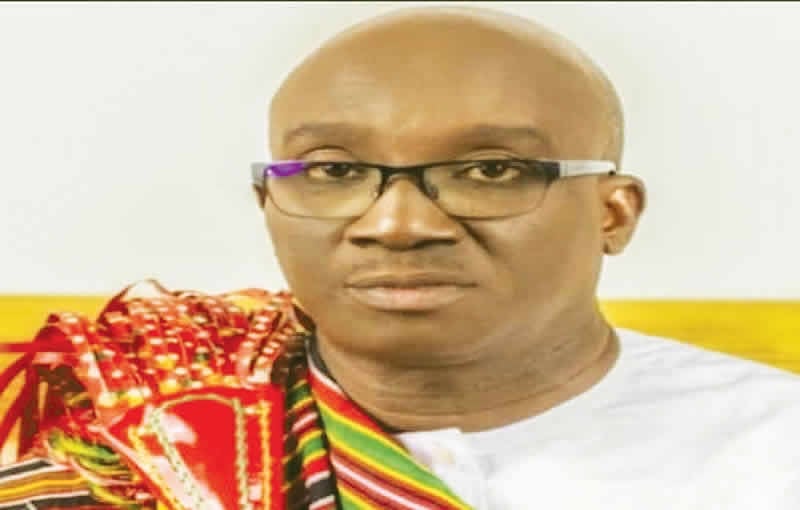
The call was made by Odion Omonfoman, Lead Consultant on Power to the Nigeria Governors’ Forum, who said the delay in establishing the commission could slow down ongoing reforms in the state’s electricity market.
According to him, Edo’s ambition to improve power supply and drive industrial growth depends largely on having a functional regulatory body to oversee the sector.

He noted that the recent groundbreaking of a 100MW independent power project in Ologbo by CCETC marks an important step under the Edo State Electricity Law, but warned that such investments require a clear and functional regulatory framework to succeed.
“For decades, the promise of industrialisation and shared prosperity in Edo State has been hampered by one major challenge: unreliable and insufficient electricity supply,” Omonfoman said.
While commending Governor Monday Okpebholo for showing support for residents protesting against the Benin Electricity Distribution Company (BEDC), he stressed that sympathy must now be backed with concrete policy actions.
He explained that the legal backing for the commission already exists under the Edo State Electricity Law 2025, which empowers ESERC to license and regulate electricity generation, transmission, and distribution within the state.
He also pointed out that the Nigerian Electricity Regulatory Commission (NERC) has already issued directives transferring regulatory oversight to states, making Edo’s next step purely administrative.

“The legal foundation is already in place. What is left is implementation. ESERC is the engine room needed to activate a competitive electricity market in Edo State,” he said.
Omonfoman argued that establishing the commission would help break the long-standing monopoly in the sector, particularly the dominance of distribution companies like BEDC, which he said has limited consumer choice and service quality.
He said a functional state regulator would introduce competition, improve transparency in electricity pricing, and protect consumers from poor service delivery and unfair billing practices.
According to him, a properly structured electricity market would operate in a similar way to the telecommunications sector, where competition has improved service delivery and innovation.
However, he warned that the success of the commission would depend heavily on the quality of leadership appointed to run it, urging the governor to avoid political considerations in the selection process.

“The commission should not be used for political patronage. It requires experienced professionals in engineering, energy economics, law, and power market regulation,” he said.
He further cautioned that poorly managed implementation could discourage investors and ultimately affect electricity consumers in the state.
Omonfoman also stressed the need for Edo State to position itself competitively as other states begin to establish their own electricity markets under the new decentralised power framework.
He added that adequate funding and institutional independence would be critical for the commission to function effectively and ensure a smooth transition from federal to state-level regulation.