

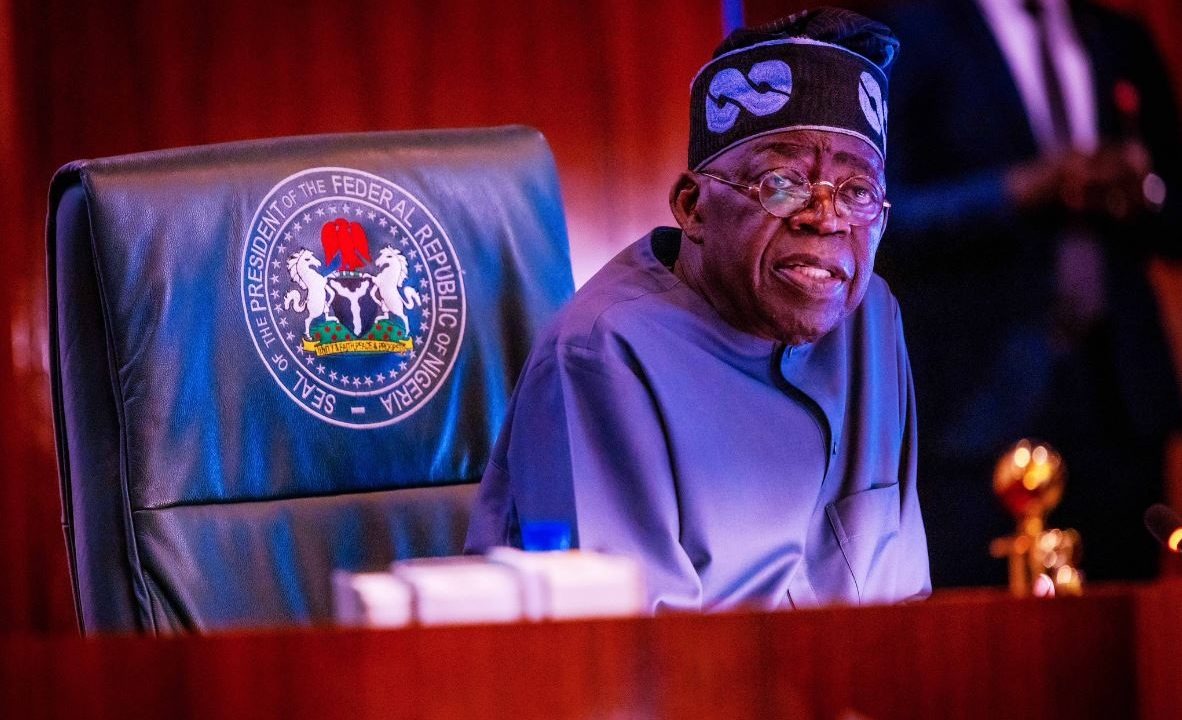
The Federal Government has proposed an allocation of N135.22 billion in the 2026 budget for “Electoral Adjudication and Post-Election Provision,” signaling a significant commitment to managing legal disputes and obligations that usually follow Nigerian elections.

The figure was included in the House of Representatives Order Paper for March 31, 2026, under the Service-Wide Votes—a centrally managed fund used to cover expenses not linked to specific ministries or agencies. This allocation is expected to cover election-related legal disputes, settlements, and administrative processes.

The provision forms part of the Consolidated Revenue Fund (CRF) charges, which total N3.70 trillion, meaning the electoral adjudication line represents roughly 3.65 percent of CRF spending. It accompanies a larger N1.01 trillion statutory transfer to the Independent National Electoral Commission (INEC), the largest recipient in this category.
Opposition parties and civil society groups have criticized the allocation. The People’s Democratic Party (PDP) and the African Democratic Congress (ADC) questioned the size of the N135 billion provision, describing it as excessive and raising concerns about transparency. PDP National Publicity Secretary, Ini Ememobong, suggested that the allocation implies INEC anticipates disputes due to a lack of transparency and stressed that credible elections would reduce post-election litigation.

Similarly, ADC Publicity Secretary Bolaji Abdullahi described the amount as unusually high for anticipated legal cases, noting that if elections are free and fair, litigation should be minimal. Political economist Prof. Pat Utomi questioned why the government, rather than INEC or candidates, would budget for elections, while human rights lawyer Femi Falana (SAN) criticized the expenditure as unjustifiably large.

Civil society organizations also voiced concerns. Anthony Ubani of #FixPolitics Africa warned that budgeting such a large sum for post-election disputes signals weak public confidence in electoral processes and encourages reliance on courts rather than credible elections to determine outcomes. Debo Adeniran of the Centre for Anti-Corruption and Open Leadership called for caution, noting that INEC should manage its own legal funding and avoid duplication of responsibilities. Auwal Rafsanjani of the Civil Society Legislative Advocacy Centre described the allocation as troubling, suggesting it indicates expectations of widespread election disputes and urged authorities to focus on electoral integrity to minimize post-election litigation.

Critics argue that prioritizing election disputes over transparency and efficiency risks wasting public funds, while ensuring free, fair, and credible elections could significantly reduce legal challenges and enhance public confidence in Nigeria’s democratic process.




