

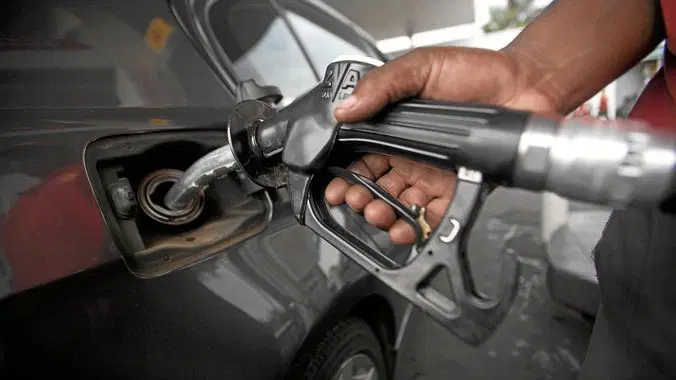
LAGOS — Nigerians are facing heightened economic pressure as petrol prices surged to N1,300 per litre from N1,050, reflecting a 24% increase. This comes in response to rising crude oil prices, which hit $110 per barrel internationally amid ongoing tensions in the Middle East.

Diesel prices also climbed sharply, with Automotive Gas Oil (AGO) now selling between N1,380 and N1,680 per litre depending on the outlet. In Ibadan, petrol prices have jumped to between N1,200 and N1,300 per litre, compared to the previous range of N1,020 to N1,080.
Industry experts attribute the hikes to rising landing costs and logistics challenges. A member of the Independent Petroleum Marketers Association of Nigeria (IPMAN) noted that pump prices vary by location, influenced by transportation and distribution expenses.

In Abuja, petrol prices have risen from N880 per litre a week ago to over N1,300, following a gantry price adjustment by Dangote Petroleum Refinery. The refinery cited global market instability and increasing crude prices as the main reasons. Transportation costs have also risen significantly, with some fares more than doubling in Lagos and other major cities.

The Petroleum Products Retail Outlets Owners Association of Nigeria (PETROAN) warned that petrol prices could reach N2,000 per litre and diesel N3,000 per litre if the Middle East conflict continues. Experts argue that reviving local refineries is crucial to cushioning Nigerians from international price shocks and ensuring supply stability.

Dangote Refinery’s Managing Director reassured that the facility can meet the country’s fuel needs, producing between 50 and 55 million litres daily, which exceeds national consumption. He stressed that domestic refining provides a buffer against global market volatility, guaranteeing consistent fuel availability despite rising crude costs.

Energy analysts also highlighted that the recent spike in crude prices may benefit oil-producing countries financially, but the gains are unlikely to reach citizens due to dependency on imported refined products. Government intervention and policies supporting domestic refining were recommended as long-term solutions to stabilize fuel prices and national energy security.
Meanwhile, the US Embassy has issued a security warning about potential threats to its facilities and affiliated schools in Nigeria, urging Americans to remain vigilant.




