

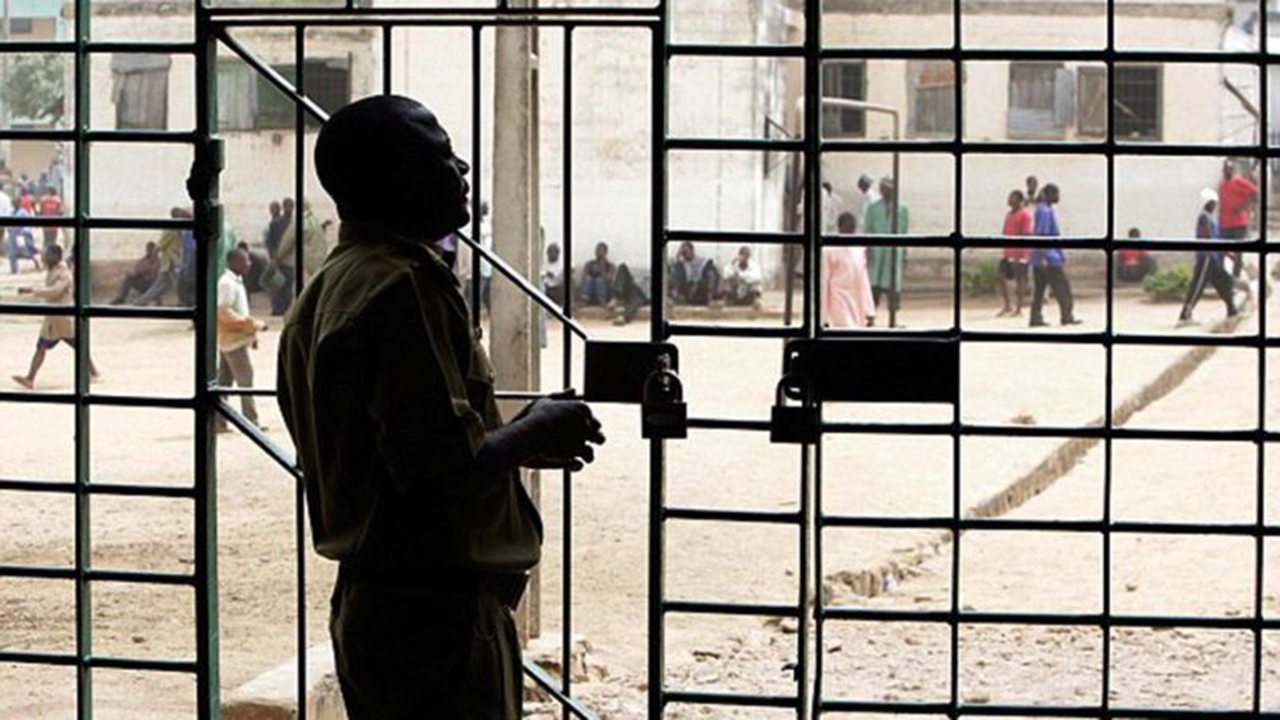
Nigeria’s prison system is in crisis. For decades, incarceration has been treated as a one-size-fits-all solution for crime, poverty, addiction, and even minor social infractions. Yet, this approach has failed economically, socially, and morally, leaving overcrowded prisons that neither rehabilitate nor deter offenders.

The government must acknowledge a hard truth: reducing imprisonment does not necessarily increase crime. Other nations have successfully implemented alternatives, but Nigeria continues to invest billions in expanding prisons while producing little to no social or economic benefit. Instead of reforming lives, the system perpetuates a cycle of reoffending.
Many inmates, especially youths, enter for minor offenses and leave traumatized, without skills, hope, or prospects. Most are awaiting trial, detained for years without conviction. The current model exposes them to hardened criminals, gang influence, substance abuse, and stigma—factors that push them back into crime rather than reintegrating them into society.

The financial burden is staggering. Billions are spent yearly on feeding, uniforms, salaries, healthcare, maintenance, and infrastructure, yet prisons generate no revenue or meaningful contributions to national development. In a country battling unemployment, insecurity, and dwindling resources, this waste is unsustainable.
Global examples show a better way. Countries such as Norway, Portugal, Rwanda, and South Africa have successfully reduced crime through shorter sentences, non-custodial measures, community corrections, education, mental health support, addiction treatment, and vocational training. Nigeria has the talent, expertise, and international support to achieve similar results—what is lacking is political will.

A reformed correctional strategy should focus on:
-
Expanding probation and parole systems
-
Implementing non-custodial sentences for minor offenses
-
Reducing pre-trial detention
-
Investing in education, vocational training, and mental health services
-
Developing revenue-generating prison industries
-
Strengthening restorative justice programs
-
Protecting inmates’ rights and dignity
Such reforms would reduce prison overcrowding, cut correctional costs, improve public safety, enhance national productivity, and restore human dignity. Imprisonment should be reserved for serious offenders, not for poverty-driven youths, petty traders, or those lacking legal representation.

International organizations, diaspora communities, and human rights bodies are increasingly highlighting the deplorable state of Nigerian prisons. This should spark a national debate involving government, civil society, the judiciary, religious bodies, and academia.
Prison reform is no longer optional—it is essential for Nigeria’s survival. The country stands at a historic moment: it can either build a system that rehabilitates, protects society, and saves resources, or maintain the status quo and watch the crisis deepen. Transformative action is needed now.




