

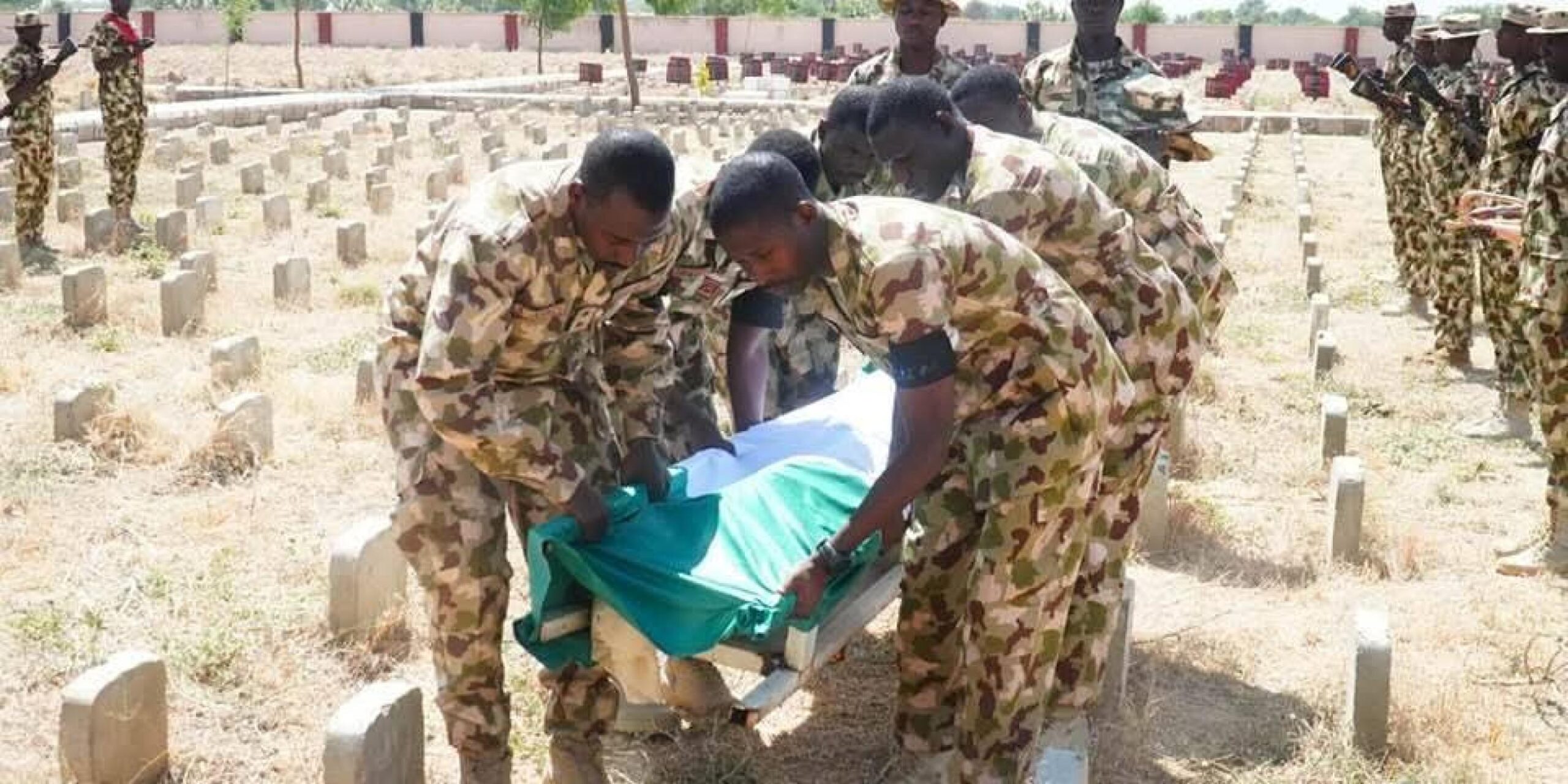
The Nigerian military has reportedly launched a campaign against media organisation SaharaReporters and its founder, Omoyele Sowore, following the outlet’s coverage of recent attacks by the Islamic State West Africa Province (ISWAP) on Nigerian military bases.

SaharaReporters has documented coordinated assaults on military posts in Konduga, Mainok, Jakana, and Marte towns in Borno State, which resulted in the deaths of over 40 soldiers. While the Army initially denied the severity of the attacks, sources have confirmed the casualties.
Lieutenant Colonel Sani Uba, media information officer of the Headquarters Joint Task Force North East Operation HADIN KAI, stated that reports by SaharaReporters downplayed the troops’ efforts, insisting soldiers repelled attacks from multiple fronts and safeguarded civilians.

However, ISWAP released a video confirming the attacks, showing heavily armed militants setting military camps ablaze, seizing weapons, ammunition, military vehicles, and motorcycles. The footage, circulated on X by researcher Brant Philip, included fighters speaking Hausa and Arabic, celebrating their operations.

Military sources revealed that top officers have hired social media influencers to discredit SaharaReporters and Sowore after the outlet published stories about the killing of senior officers, including Lieutenant Colonels SI Iliyasu and Umar Farouq, and Majors Segun Amusan and Ibrahim Mairiga.

In the past week alone, over 100 Nigerian soldiers have reportedly been killed in multiple attacks, including ambushes in Sambisa Forest and assaults on bases in Banki junction, Bama/Gwaza Road, and Ngoshe town. Video evidence shows wounded soldiers receiving treatment as colleagues assist them on the battlefield.

The Nigerian Army maintains that the insurgency has largely been contained, although independent reports suggest ISWAP continues to consolidate control over several local government areas in Borno and Yobe states.
The insurgency, ongoing for years, has claimed over 100,000 lives and displaced millions in Adamawa, Borno, and Yobe states.




