

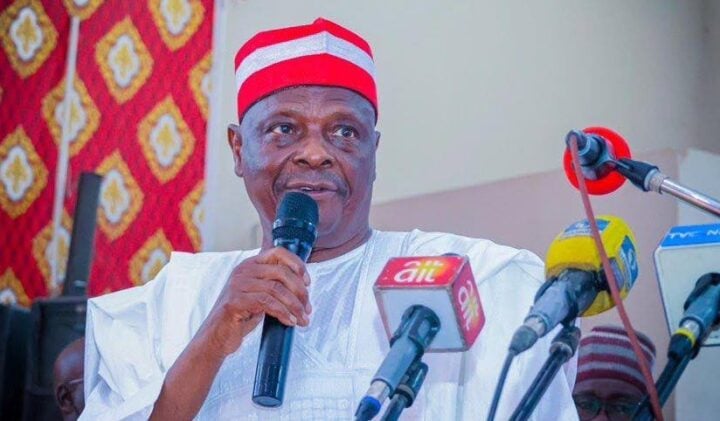
The All Progressives Congress (APC) and the New Nigeria Peoples Party (NNPP) have rejected proposed visa bans and asset freezes recommended by US lawmakers against ex-Kano State Governor Senator Rabiu Kwankwaso, the Miyetti Allah Cattle Breeders Association of Nigeria (MACBAN), and the Miyetti Allah Kautal Hore. The sanctions, included in the bill titled “The Nigeria Religious Freedom and Accountability Act of 2026,” were introduced in the US House of Representatives by Reps Chris Smith, Riley Moore, Brian Mast, and Bill Huizenga.

The bill seeks to impose targeted sanctions under the Global Magnitsky Human Rights Accountability Act against individuals and groups accused of severe violations of religious freedom in Nigeria, including Fulani-ethnic militias. It also calls for the Secretary of State to determine whether certain militias qualify as Foreign Terrorist Organisations, a designation that would carry legal and diplomatic consequences.
APC Reaction
APC Director of Publicity Bala Ibrahim criticised the proposed sanctions, arguing that allegations alone do not justify restricting Kwankwaso’s freedom of movement without due process. He stated, “Whatever the allegation against former Kano State Governor Rabiu Musa Kwankwaso and others is, it remains an allegation until proven… They cannot suggest a ban or restriction on an individual without substantiating it or subjecting him to a fair hearing.”

NNPP Response
The NNPP described the planned censure of its national leader as blackmail. National Publicity Secretary Ladipo Johnson dismissed allegations against Kwankwaso, highlighting his record in office, his efforts to combat Boko Haram in Kano, and his history of fostering interfaith cooperation. He also questioned the selective nature of the sanctions, noting that other northern governors who implemented Sharia laws were not targeted.
Johnson urged US lawmakers to conduct a thorough investigation into Kwankwaso’s record before imposing punitive measures. He emphasised that Kwankwaso had previously criticised oversimplified foreign characterisations of Nigeria’s internal challenges and had advocated for national sovereignty.

Miyetti Allah’s Stand
Miyetti Allah National President Baba Ngelzarma described the allegations against the association as unfounded, insisting it is not a terrorist organisation. He explained that MACBAN represents cattle breeders of diverse religious and ethnic backgrounds and has never engaged in terrorism. Ngelzarma called on the Nigerian government to intervene diplomatically and clarify misconceptions with the US.
Similarly, the Benue State chapter of MACBAN condemned the proposed sanctions as violations of the Universal Declaration of Human Rights, noting that its members—both Muslims and Christians—have themselves suffered losses due to banditry and Boko Haram attacks. State Secretary Ibrahim Galma called for US Congress to visit affected Nigerian communities before enacting any punitive legislation.

US Bill Context
The US lawmakers cited multiple sources, including the Open Doors 2024 World Watch List, claiming that between 50,000 and 125,000 Christians were martyred in Nigeria between 2009 and 2025, and more than 19,000 Christian-owned facilities were attacked. They named Boko Haram, ISWAP, and Fulani-ethnic militias as major perpetrators.
The legislation also criticised the continued enforcement of blasphemy laws in 12 northern states under Sharia codes, citing cases such as Rhoda Jatau, Deborah Yakubu, and Sunday Jackson. It recommends co-funded humanitarian assistance through faith-based and non-governmental organisations to support displaced persons in Nigeria’s Middle Belt.

The Act, if passed, would require the US Secretary of State to submit comprehensive reports on Nigeria’s compliance with international religious freedom standards, identify individuals and entities under sanction, and assess ongoing humanitarian and security interventions.



