

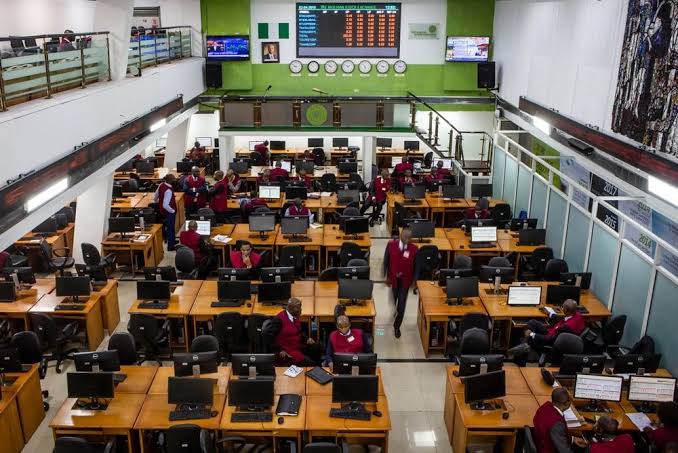
The Securities and Exchange Commission Nigeria (SEC) has approved an upward review of minimum capital requirements for capital market operators, marking a decisive regulatory intervention aimed at strengthening market integrity, enhancing investor protection, and aligning Nigeria’s capital market with international best practice.
The revised thresholds affect key operator categories, including broker-dealers, issuing houses, trustees, fund managers, and investment advisers.
According to the Commission, the move responds to inflationary pressures, currency depreciation, higher transaction volumes, and the growing complexity of financial products—factors that have eroded the real value of long-standing capital requirements.
Why the Capital Raise Matters.
SEC officials say undercapitalised operators pose heightened counterparty and operational risks, particularly during periods of market stress.
Raising minimum capital is intended to improve firms’ shock-absorption capacity, reduce sharp practices, and ensure operators can meet obligations to investors. In practical terms, better-capitalised firms are also more able to invest in compliance, technology, cybersecurity, and skilled personnel—now essential to modern market operations.
Globally, regulators tightened capital standards after the 2008 financial crisis to reinforce market resilience.
In markets overseen by the United Kingdom Financial Conduct Authority, capital adequacy rules are risk-based and frequently reviewed, while peers such as South Africa and Kenya operate tiered frameworks that scale capital to risk.
Nigeria’s adjustment brings its regime closer to these standards, particularly in safeguarding retail investors and maintaining orderly markets.
Market Structure and Consolidation.
Analysts expect the new requirements to prompt consolidation as smaller or marginal players recapitalise, merge, or exit.
While this may reduce operator count in the short term, experts argue a leaner, better-capitalised industry will be more credible, competitive, and attractive to domestic and foreign investors—supporting long-term market deepening.

Reform Climate and Regulatory Confidence.
Market analysts note that the current reform momentum reflects a more supportive policy environment for regulators under President Bola Ahmed Tinubu’s administration.
Unlike previous cycles where regulatory tightening often stalled or faced political resistance, the SEC has demonstrated increased confidence to pursue structural reforms aimed at long-term market stability.
Observers say this aligns with broader economic reforms prioritising institutional credibility, investor protection, and market discipline—creating room for regulators to act decisively.
Transition and Compliance.
The Commission has indicated a defined transition period for compliance, allowing firms to raise capital, restructure, or pursue mergers without undue disruption.
Enforcement is expected to be firm, underscoring the SEC’s emphasis on professionalism and accountability.

A Necessary Reset.
While the higher thresholds may challenge some operators initially, many analysts agree the reform is overdue. In real terms, stagnant capital rules weakened resilience and elevated investor risk.
By resetting the bar, the SEC is signalling a clear direction: Nigeria’s capital market must be robust, transparent, and globally competitive. If consistently enforced, the reform could strengthen confidence, reduce systemic risk, and support sustainable economic growth.
Dr. G. Fraser. MFR.
Headlinenews.news Special report.




