

US Congressman Highlights Violence Against Christians in Benue State
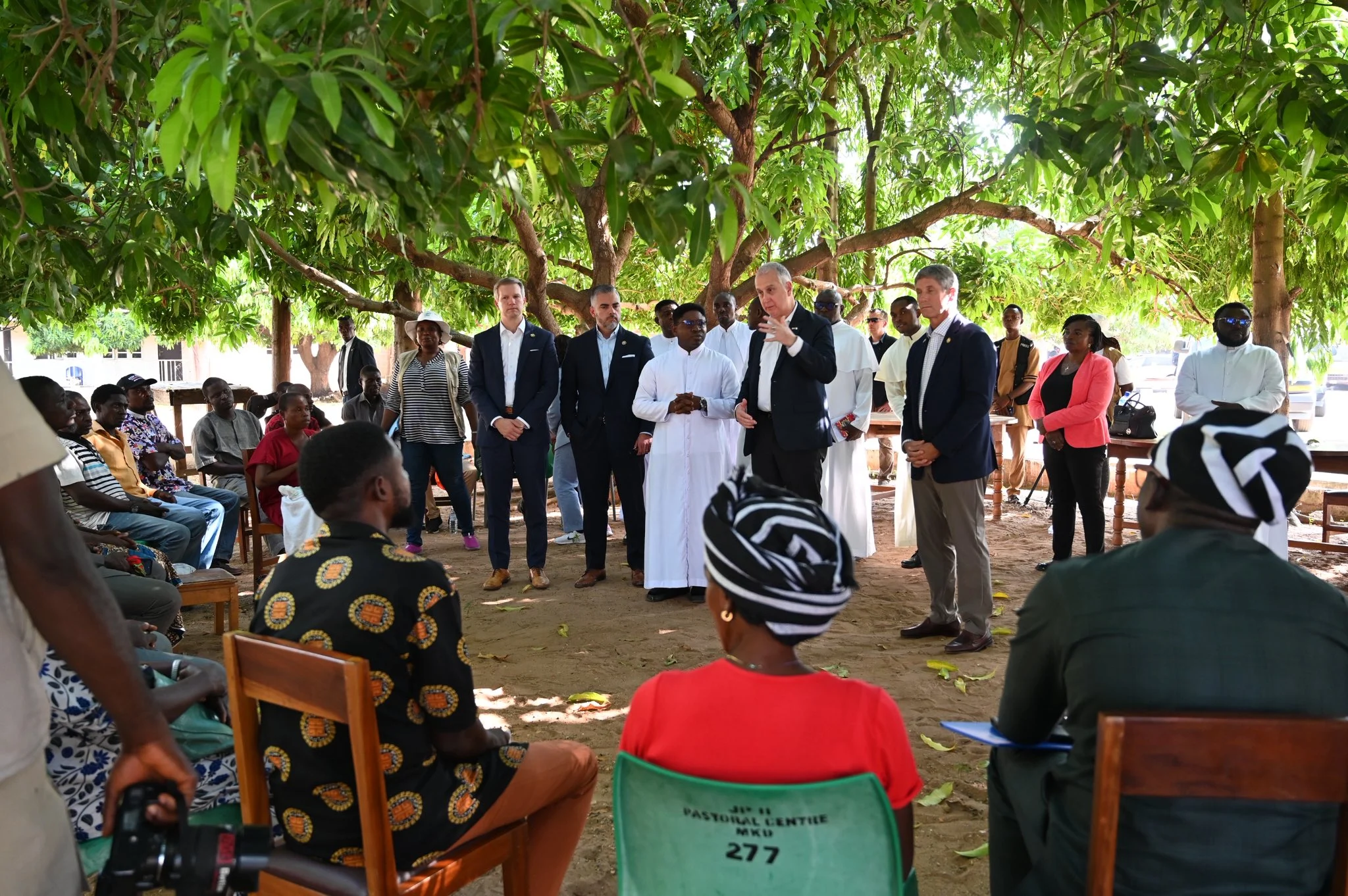
United States Congressman Riley Moore on Wednesday recounted the harrowing experiences of Christian communities in Benue State, Nigeria, during a visit to internally displaced persons (IDP) camps.

Writing on X, Moore said he met “dozens of Christians who were driven from their homes and subjected to horrific violence, now living in IDP camps.” He shared accounts of entire families being killed, forcing survivors to flee their villages.

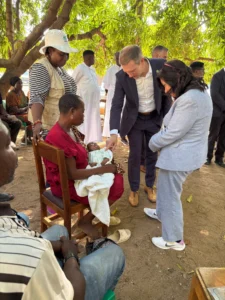
Moore cited several distressing cases, including a woman who “was forced to watch as her husband and five children were killed, barely escaping with her unborn child,” and another who said her family “was murdered in front of her and her baby taken from her womb.” He also spoke with a man whose “family was hacked to death before his eyes, leaving his arm permanently mangled.”
According to Moore, over 600,000 Christians are currently living in camps in Benue, a state long affected by conflict between farming communities and armed groups. He urged greater international attention, calling on Christians to be able to live safely in their ancestral lands.
During his visit, Moore met with Tiv and Catholic leaders, including Bishop Wilfred Anagbe, Bishop Isaac Dugu, and His Royal Highness James Ioruza, traditional ruler of the Tiv people, to discuss what he described as a “genocidal campaign” by Fulani groups.
Moore described the trip as a “very productive visit to Nigeria,” noting earlier discussions with National Security Adviser Nuhu Ribadu and other officials focused on terrorism in the North-East and killings in the Middle Belt—issues he said are priorities for President Donald Trump and himself.
He commended the Nigerian government and President Bola Tinubu for the rescue of more than 100 abducted Catholic schoolchildren, and highlighted the creation of a joint US-Nigeria task force as a step toward improving security. Moore stressed, however, that the dialogue must now translate into concrete action.
The visit follows heightened diplomatic tensions after the Trump administration redesignated Nigeria as a Country of Particular Concern over alleged religious freedom violations, accompanied by warnings of possible US military intervention. The Nigerian government has consistently denied systemic persecution, insisting that insecurity affects all citizens regardless of faith.

The US delegation’s discussions, confirmed by Ribadu, focused on counter-terrorism cooperation, regional stability, and strengthening the strategic security partnership between the two nations. Recent briefings and hearings by the US House Subcommittee on Africa further examined religious violence and its implications, following directives from President Trump to investigate attacks on Christians and report back to the White House.




