

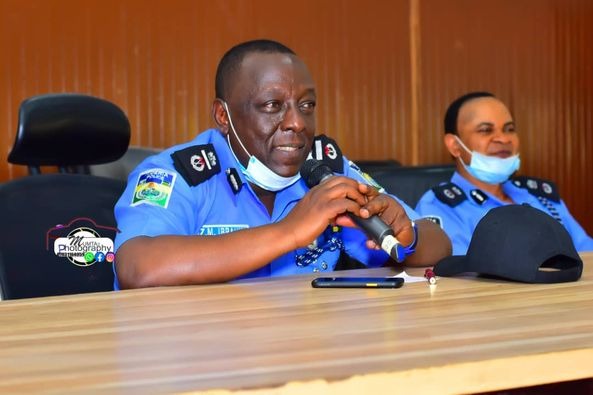
Retired Deputy Inspector General of Police, Zanna Mohammed Ibrahim, has warned that President Bola Tinubu’s order to withdraw police officers from VIP duties will likely fail unless Nigeria addresses the deep-rooted structural problems in its policing system. He noted that past directives have repeatedly collapsed due to lack of enforcement support.
Ibrahim revealed that around 80,000–90,000 officers—nearly a quarter of the police force—are deployed for VIP protection for politicians, businessmen, entertainers, and others, creating a “cash cow” that generates both official and unofficial income. This diversion has left ordinary policing weakened, with understaffed stations, slow response times, poor intelligence, and reactive crime prevention.
He emphasized that political pressure and the perception of escorts as a “status symbol” make reforms difficult. Past attempts failed due to interference from politicians, businessmen, and power brokers.
Proposed Solutions
Ibrahim recommends systemic reforms:
Dedicated VIP unit: Establish a federal VIP Protection Command or transfer duties to NSCDC, removing financial incentives from the police.
Transparent cost recovery: VIPs should fully pay for any required escorts.
Strengthened policing: Increase recruitment, deploy modern communication tools, vehicles, and equipment.
Technology investment: Expand CCTV, body cameras, drones, emergency systems, ANPR, and data-driven policing.
Strong political will: Success depends on enforcement by the IGP, civil society support, and media scrutiny.

Practical Steps:
Publish and redeploy withdrawn officers to active policing
Establish NSCDC-based VIP Protection Service
Ban direct escort requests to police leadership
Digitize all VIP security requests and introduce penalties for illegal escorts
Reward officers returning to active duty and conduct audits
Launch a national policing-reform communication campaign

If properly implemented, Ibrahim says Nigeria could free 70,000–90,000 officers for regular duties, improve urban and rural security, reduce crime, and professionalize VIP protection. However, he stressed that success depends on effective implementation, not just announcements.



