

Sources familiar with water supply operations in the Federal Capital Territory (FCT) have linked the ongoing water shortages in Abuja to decisions made by the FCT Administration under Minister Nyesom Wike.
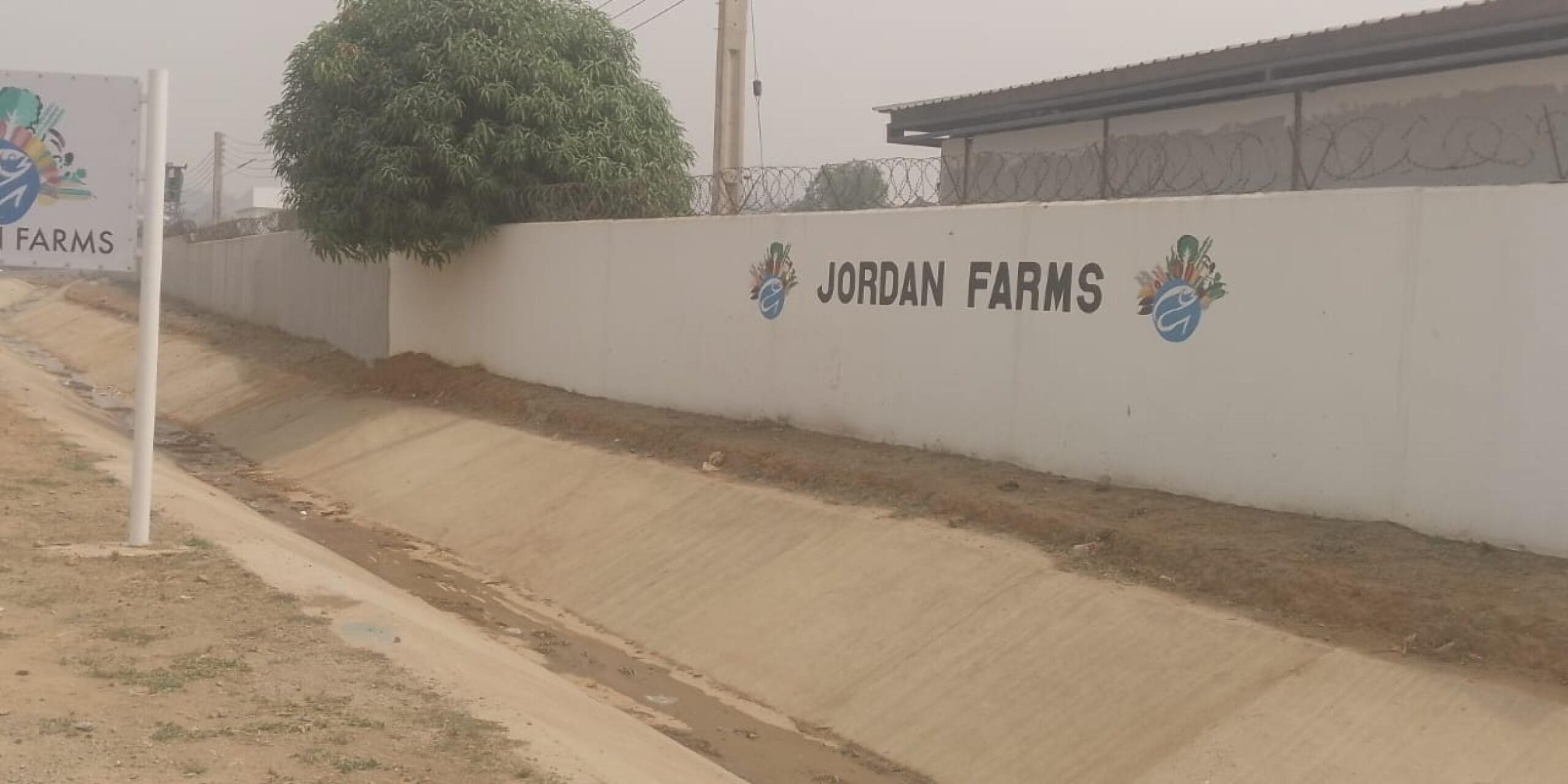
According to insiders, a substantial portion of water intended for the city has allegedly been redirected to Jordan Farms, a large-scale farm owned by the minister in the Ushafa area and named after his eldest son, leaving limited water for residents.
One source claimed that up to 70 percent of water from Usuma Dam is reportedly diverted to the farm, while the remaining supply is distributed across Abuja, assuming residents rely on boreholes and would not protest.

“He diverted 70 percent of the FCT water to his mega farm and resort near Ushafa, leaving the rest for the city. He believes residents are already accustomed to boreholes, so they would not complain,” the source said.
SaharaReporters also learned that water treatment and distribution plants were affected by power challenges after diesel procurement approvals, valued at about ₦150 million, were delayed while the minister was away attending to political matters in Rivers State. By the time funding was approved, key infrastructure had shut down, causing water pipelines to the city and the alleged private facility to run dry.
A source added: “Without diesel or NEPA supply, the plants could not operate. Wike was away handling the political battle with Rivers State Governor Siminalayi Fubara. By the time he returned to approve funds for diesel, it was too late — pipes had dried up, causing widespread shortages across Abuja.”

Attempts by SaharaReporters to access the farm or obtain confirmation from dam workers about water supply proportions were unsuccessful. Residents in Ushafa reported severe water shortages, despite the farm receiving regular water from Usuma Dam.
When contacted, Lere Olayinka, Senior Special Assistant on Public Communications to Minister Wike, denied the allegations, questioning the evidence of water diversion and noting that he had personal access to water in Abuja.
The water crisis has persisted into early 2026, leaving thousands of residents reliant on costly private vendors. Contributing factors include inadequate power supply to pumping stations, poor dam maintenance, chemical shortages for treatment, and broader management challenges within the FCT water sector.

In January, the Abuja Electricity Distribution Company (AEDC) cut power to the FCT Water Board over unpaid bills, halting water production and distribution in several areas. Following public outcry, AEDC restored electricity on January 18, giving the Water Board a two-week deadline to implement a credible payment plan or face disconnection again.

AEDC emphasized that uninterrupted water supply is essential for public health and community wellbeing and that compliance with the repayment plan is mandatory under regulatory guidelines.




