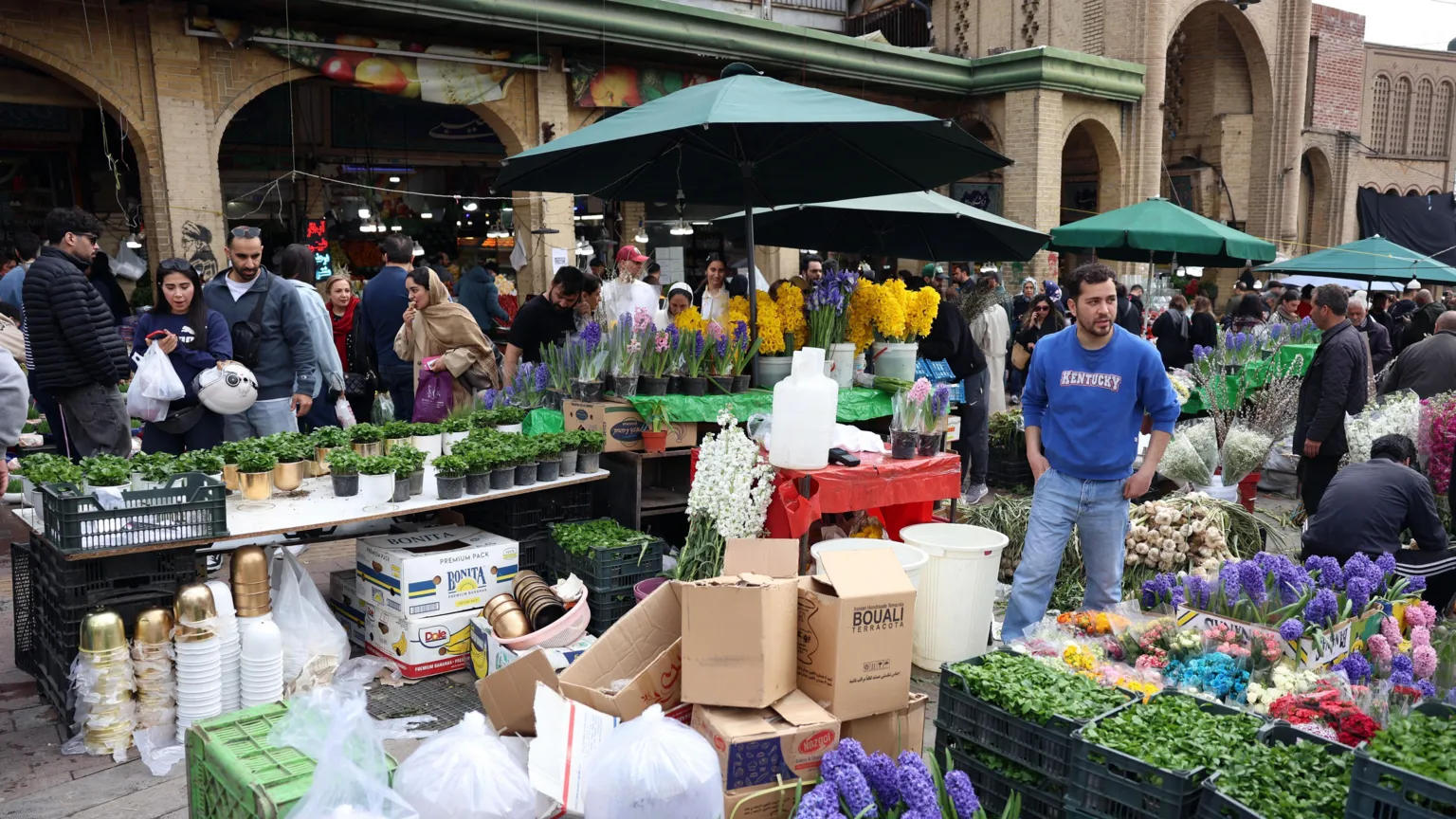
As the ancient festival of Nowruz approaches, many Iranians say the usual joy and excitement have been replaced by fear, uncertainty, and grief due to the ongoing war.
Traditionally, the days leading up to Nowruz are filled with preparation—cleaning homes, buying new clothes, and stocking up on sweets. But for Mina, a woman in her 50s living in Damavand near Tehran, this year feels completely different. Fighting back tears, she says time seems to have slowed, with each day heavy under the weight of conflict.
Nowruz, meaning “new day,” marks the arrival of spring and has been celebrated for over 3,000 years across cultures including Persians, Kurds, and Central Asian communities. It usually symbolizes renewal, hope, and fresh beginnings. However, this year’s celebration comes amid ongoing strikes and retaliatory attacks between Iran, the United States, and Israel.

According to reports, thousands have been killed since the conflict escalated in late February, including many civilians and children. The violence has forced families to flee major cities, disrupted daily life, and cast a shadow over what is typically the most important cultural celebration in the country.
Mina’s son, Amir, says the war has not only taken an emotional toll but also raised serious concerns about the country’s future. With job losses increasing and infrastructure under threat, he fears what lies ahead, even questioning whether this could be their last Nowruz together.
In Tehran, usually bustling markets and crowded shopping streets have fallen unusually quiet. Parmis, a young resident, says people now go out with constant fear of airstrikes. Even in moments meant for normalcy, such as visiting salons or shopping, the sound of explosions has become part of daily life—often met with uneasy calm.
Despite the fear, some Iranians are holding on to tradition. The symbolic Haft Sin table—an essential part of Nowruz—still appears in some homes, representing hope, renewal, and life. For others, however, the spirit of the celebration feels lost.
While many long for peace and a return to normal life, others see the conflict as a turning point, expressing frustration with the current system and calling for change, even at great personal cost.
For most, Nowruz remains a symbol of hope—but this year, that hope is fragile. As one resident put it, the air no longer carries the familiar feeling of celebration, only the uncertainty of what tomorrow may bring.