

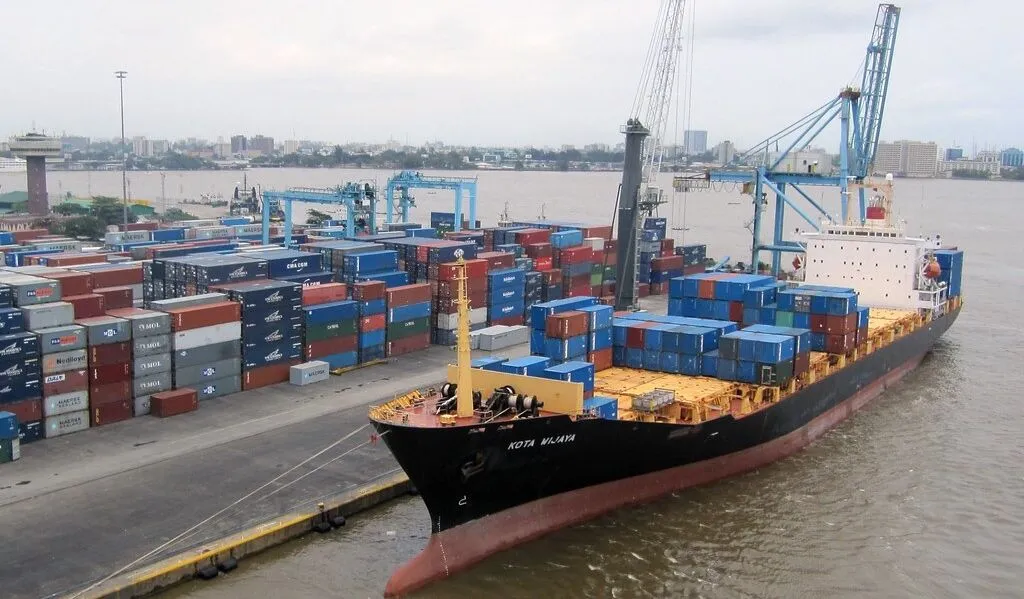
A shocking investigation by the Sea Empowerment and Research Center (SEREC) has revealed that Nigerian seaports are overwhelmed by tens of thousands of empty shipping containers, creating an environmental and public health emergency.
According to freight forwarders cited in the report, between 65,000 and 100,000 twenty-foot equivalent units (TEUs) of empty containers are currently clogging Nigeria’s port terminals.


SEREC blames the situation primarily on the high cost of shipping empty containers back to foreign destinations, including Europe, Asia, the United States, and the Middle East. These costs have made it economically unviable for shipping lines to return containers promptly.
In a statement issued on Sunday, June 8, 2025, SEREC’s Head, Eugene Nweke, noted that for years, shipping lines have been bringing full containers into Nigeria, but are leaving with very few export containers. He estimated that up to 97% of containers depart the country empty, worsening congestion at the ports.


Providing a cost breakdown, SEREC revealed:
- 20ft Full Container Load (FCL): $2,000–$4,000
- 40ft FCL: $3,500–$6,000
- Less than Container Load (LCL): $150–$500 per cubic meter
For example, a vessel carrying 4,500 TEUs could incur as much as $9 million to return the empty containers to Asia, especially considering sea transit times to China range between 21–26 days.
Adding to the concern, the report noted that approximately 45% of containers in circulation within Nigeria are “lickety” containers—containers that are unseaworthy and pose serious safety and operational risks.
To address the growing crisis, SEREC has proposed a three-pronged strategy:
- Export Bonanza: Incentivize Nigerian manufacturers and traders to boost exports, which would naturally help reduce the number of idle empty containers.
- Port Overhaul: Invest in modern port infrastructure and efficient management systems to ease congestion and improve container logistics.
- Efficient Returns: Introduce streamlined systems for the return of empty containers, ensuring they do not overstay and pile up at port facilities.

SEREC also issued a reminder to shipping companies regarding the Customs Act 2023, which classifies containers as temporary imports. Containers that remain in Nigeria beyond a three-month grace period are now legally subject to import duties, a move aimed at discouraging container abandonment.
The organization warns that if urgent measures are not taken, the current backlog could escalate into a full-scale logistical and environmental disaster.




