

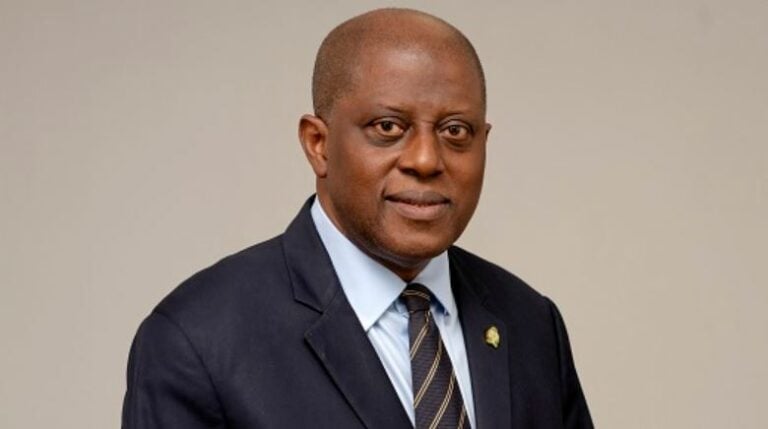
Nigeria has witnessed a significant recovery in foreign exchange inflows, signaling a gradual return of investor confidence after years of economic volatility. Analysts attribute this improvement to recent reforms by the Central Bank of Nigeria (CBN), led by Governor Olayemi Cardoso.

Data from the FMDQ Exchange indicates that total inflows into the Nigerian FX market rose to $5.15 billion in October, up from $3.18 billion in September, marking a 62.2% month-on-month increase—the highest in five months. The rebound reflects efforts by the CBN to restore credibility, reduce a $7 billion FX backlog, unify exchange-rate windows, and eliminate opaque interventions that had previously deterred investors. The World Bank and IMF have recognized these measures as critical to rebuilding confidence in Nigeria’s economy.

Capital Inflows Rise Amid Weak FDI
While total capital importation has increased, foreign direct investment (FDI) remains low. Portfolio investments accounted for $5.2 billion, representing over 92% of total inflows, while FDI contributed just $126.29 million, or about 2%. This trend suggests that investors prefer short-term, high-yield instruments like government bonds and treasury bills over long-term, productive investments.

Foreign inflows in October reached $3.32 billion, with domestic contributions also rising. Cordros Securities Limited noted that the improvement was driven by market sentiment and global monetary easing. Analysts, however, warn that the heavy reliance on portfolio inflows leaves Nigeria vulnerable to sudden reversals.
Banks Lead From Capital Inflows
The banking sector has been the primary beneficiary of the FX inflow surge. In Q1 2025, banks received more than half of all capital importation, totaling $3.127 billion. The sector’s strengthened capital aligns with the CBN’s goal of achieving a $1 trillion economy by 2030. Fitch and Agusto & Co have both highlighted Nigeria’s aggressive bank capital reforms as a key driver of financial sector stability in Sub-Saharan Africa.

Sustaining Reforms
The IMF has praised Nigeria’s reforms, noting improvements in inflation control, naira stability, and foreign reserves. Cardoso emphasized that sustained stability and credible policies naturally attract investors, saying, “Investors naturally gravitate to where there is stability and predictability.” He urged commercial banks to step up as market makers, enabling businesses to access FX and manage risk effectively.

The recovery in FX inflows demonstrates the positive impact of policy coordination, structural reforms, and investor-friendly measures, yet challenges remain in converting short-term portfolio investments into long-term economic growth.




