


Growing National Outcry as Critics Demand Withdrawal of Amb. Nominee Ayodele Oke Over Integrity Concerns and International Diplomatic Standards
By Headlinenews.news Investigations Desk
A major controversy is unfolding around the nomination of Ambassador Ayodele Oke, former Director-General of Nigeria’s National Intelligence Agency (NIA), following a nationwide call from civil society groups, anti-corruption advocates, international governance observers, and concerned Nigerians urging the Federal Government to withdraw his name from the latest ambassadorial list.
The backlash intensified after Sahara Reporters, The Punch, THISDAY, Headlinenews.news and several online platforms published petitions and statements from anti-graft organisations and former intelligence community insiders questioning whether Oke meets the ethical and diplomatic standards required for an envoy representing Nigeria—especially in a G7 nation, where diplomatic vetting is stringent and reputational scrutiny is uncompromising.
Although Oke has not been convicted of any offence, the controversy centres on his past administrative sanctions, widely publicised investigations, and the perception of unresolved integrity gaps. Critics argue that at a time when Nigeria is working to rebuild international confidence, sending a nominee previously enmeshed in a high-profile corruption probe could undermine the nation’s credibility in global governance forums.
Nigerians Ask: Does Ayodele Oke Meet the Integrity Threshold for a G7 Posting?
Civil society leaders maintain that ambassadorship is not a political consolation prize, but a sensitive assignment that demands the highest level of public trust. The Vienna Convention on Diplomatic Relations (1961), which guides ambassadorial conduct worldwide, emphasises that diplomats must be “persons of integrity capable of performing their functions without bringing disrepute to the sending state.”
Domestically, Section 66(1)(h) and Section 107(1)(h) of Nigeria’s Constitution exclude individuals who have been “found guilty of misappropriation or breach of trust” from public office. While Oke has no conviction, critics argue that administrative findings, dismissal from service, and unresolved allegations raise legitimate questions about the spirit of these constitutional provisions.
Anti-corruption bodies also reference Nigeria’s obligations under:
The United Nations Convention Against Corruption (UNCAC)
The African Union Convention on Preventing and Combating Corruption
ECOWAS Protocol on Good Governance and Transparency
All of which require member states to ensure that persons appointed to sensitive public roles demonstrate “high standards of integrity, honesty and accountability.”
Historical Context: Why Oke’s Nomination Raises Alarm
Ayodele Oke’s tenure at the NIA ended abruptly following a high-profile investigation initiated under the administration of President Muhammadu Buhari. At the time, a panel chaired by Vice President Yemi Osinbajo reviewed the circumstances surrounding large sums of money discovered in an Ikoyi apartment in 2017. The government subsequently relieved Oke of his position.
Later, Oke and his wife were charged to court by the EFCC. Although the case did not result in conviction, it also did not result in acquittal. Legal analysts note that the absence of an acquittal is not equivalent to exoneration.
This unresolved legal history has become the cornerstone of advocacy groups’ objections. Several former intelligence operatives, speaking anonymously, have argued that “the NIA possesses several senior officers with unblemished records who could serve Nigeria without controversy.”
Diplomatic Sensitivities: Potential Fallout for Nigeria’s Image Abroad
Appointments to G7 countries—nations with the world’s strongest economies and highest governance standards—are exceptionally sensitive. Host countries typically conduct extensive background checks, and ambassadorial candidates must embody ethical clarity and moral authority.
International relations scholars warn that sending a nominee whose past has attracted global media attention could:
weaken Nigeria’s reputation in anti-corruption forums
reduce trust within intelligence-sharing alliances
undermine Nigeria’s credibility in economic and security negotiations
place unnecessary strain on bilateral relations
A senior diplomatic analyst noted:
“Ambassadors are the face of a nation. If that face carries unresolved allegations, the host country inevitably questions the commitment of the sending state to global transparency norms.”
Activists Cite Legal, Ethical, and Governance Grounds for Withdrawal
Anti-graft advocates have emphasised that Nigeria, as a signatory to UNCAC, is obligated under Articles 7 and 8 to ensure that appointments to positions of trust adhere to merit, integrity, and transparency.
A coalition of NGOs stated:
“This nomination sends the wrong message. Nigeria cannot publicly champion anti-corruption while privately rewarding individuals previously subjected to corruption-related investigations. This contradiction weakens our moral standing internationally.”
Former intelligence specialists have also voiced discomfort, noting that Oke’s exit from the NIA followed administrative disciplinary measures, making his elevation back to a sensitive international role “inconsistent with historical professional standards within the intelligence community.”
” Nigerians Demand Withdrawal of Oke Over Integrity Concerns”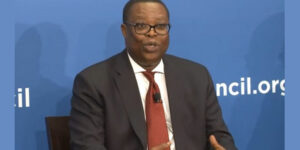
Public Relations and Governance Concerns for the Tinubu Administration
President Bola Ahmed Tinubu has made significant efforts to rebuild Nigeria’s reputation globally, attract foreign investors, and restore confidence in governance. Critics now fear that retaining Oke on the ambassadorial list may be interpreted as:
compromising anti-corruption values
ignoring legitimate citizen outcry
rewarding past administrative breaches
reintroducing old reputational risks at a moment when Nigeria needs diplomatic stability
Analysts warn this could overshadow the administration’s progress and invite unnecessary international criticism.
Why This Moment Matters
Nigeria stands at a critical juncture. The nation is seeking to deepen global partnerships, strengthen financial and security cooperation, and reposition itself as a responsible actor in the international arena.
Civil society groups argue that the moral authority of Nigeria’s ambassadors will directly influence:
investment inflows
perception of governance reforms
cooperation with global financial intelligence agencies
security partnerships and intelligence exchanges
Nigeria’s standing in international anti-corruption treaties
As calls continue to pour in for the withdrawal of Ayodele Oke’s nomination, the federal government faces a decisive opportunity either to reinforce Nigeria’s commitment to integrity—or risk sending a troubling signal to both citizens and the global community.
For now, Nigerians await the administration’s response.
The National Patriots Movement.
Headlinenews.news Special Investigative Report.



