

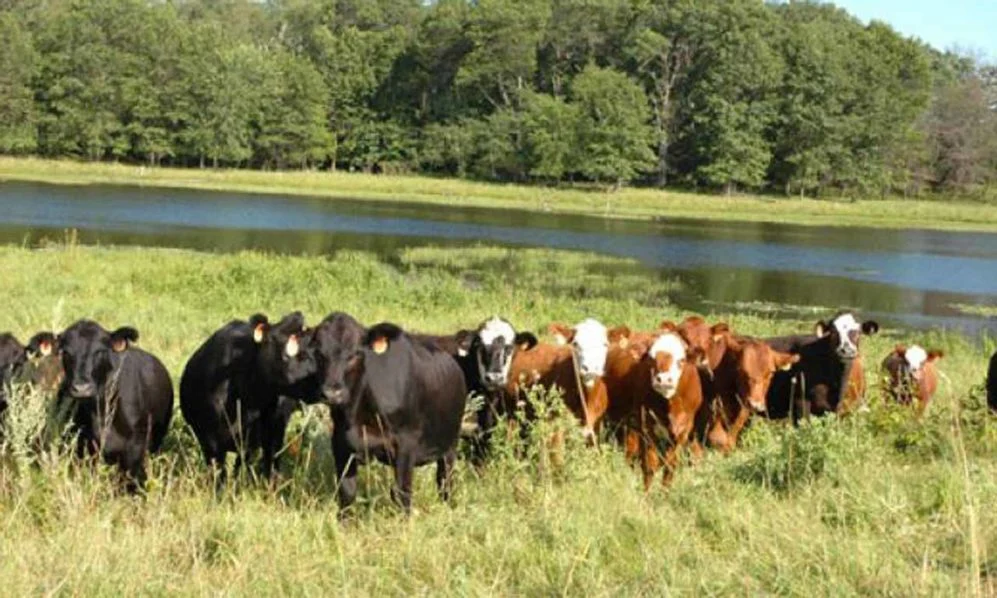
The Federal Government has begun the gradual transformation of grazing reserves nationwide, rolling out pilot projects in Gombe State, Plateau State and the Federal Capital Territory as the first step in a wide-ranging livestock reform programme.
The initiative, driven by the Federal Ministry of Livestock Development, is being implemented in phases and brings together federal agencies, state governments and private investors. According to the ministry, the scale of the task requires a careful, step-by-step approach.

Speaking with The PUNCH, the ministry’s Head of Press and Public Relations, Oghenekevwe Uchechukwu, explained that Nigeria has 417 designated grazing reserves, all of which are targeted for development in the long term.
“We are starting with pilot locations because this is a massive undertaking,” she said. “The three sites we are currently working on are Wawa-Zange in Gombe State, Wase in Plateau State, and the Kawu grazing reserve in the Bwari Area Council of the FCT. These will serve as models for the others.”

Uchechukwu confirmed that work is already underway in the selected locations, noting that the project goes beyond federal involvement alone.
“We are working closely with state governments and the private sector,” she said. “As funding improves and partnerships expand, we will gradually extend the programme to other reserves. These pilot sites will show how future grazing reserves should be structured and managed.”
She stressed that the plan is not limited to livestock management but is designed to improve the overall quality of life for pastoral communities. The development blueprint includes schools, healthcare centres and access roads to ensure basic social services within the reserves.

“This is an inter-ministerial effort,” Uchechukwu explained. “We want children of pastoralists to have access to public schools, functional healthcare facilities and proper road networks. It’s about creating organised communities, not just grazing land.”
Housing and clean energy solutions are also key components of the pilot phase. According to her, a partnership has already been signed to power the Kawu grazing reserve in Abuja with solar energy, a model expected to be replicated in other locations.
“We are providing housing for pastoralists, and renewable energy is part of the plan,” she said. “Because of the huge financial requirements, the Federal Government will not fund this alone.”

Uchechukwu noted that the cost of developing infrastructure such as roads, schools, clinics and housing would run into millions, and in some cases billions, of naira. At the Kawu site, ongoing work includes borehole drilling and plans to desilt an existing water body to improve water access.
“There are already three boreholes in Kawu, and the desilting of the water body is being planned,” she said. “All of these interventions come at a significant cost.”
She further explained that several ministries are involved in the execution of the project. The Ministry of Education will oversee school development, while the Ministry of Health will handle healthcare facilities, alongside partnerships with the FCT Administration and state governments.

“This is shared responsibility,” she added. “The states will contribute, the private sector will contribute, and the federal government is coordinating the process. What matters is that work has already started in the three pilot locations.”
The grazing reserve initiative aligns with President Bola Tinubu’s broader push for livestock reform, rural security and economic development. The President recently directed relevant authorities to identify grazing reserves that could be converted into commercially viable ranches and organised livestock settlements.

The policy is aimed at reducing insecurity, kidnapping and long-standing farmer–herder conflicts, while opening up new economic opportunities for pastoralists and host communities. President Tinubu has also emphasised that state governors, who hold constitutional authority over land, will play a decisive role in determining which areas are developed.
Overall, the reforms signal a shift away from open grazing toward modern ranching systems designed to promote safety, productivity and sustainable livelihoods across Nigeria’s livestock sector.h



