

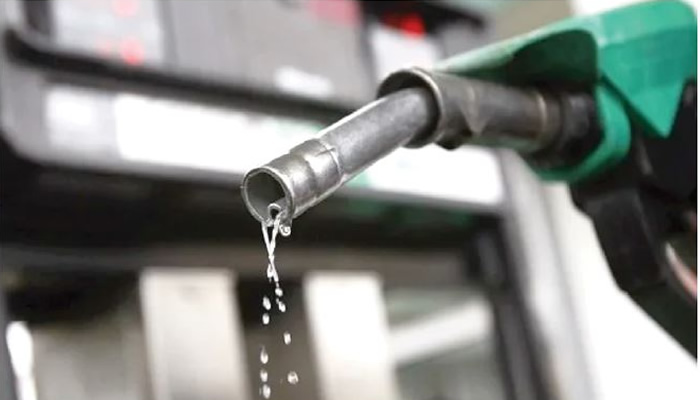
Competition in Nigeria’s downstream petroleum sector has intensified as several filling stations have begun selling Premium Motor Spirit (PMS) at prices below the N739 per litre benchmark set by the Dangote Petroleum Refinery.

Findings show that the aggressive pricing follows Dangote refinery’s decision in December to cut petrol prices from about N900 to N739 per litre. The move has placed importers and depot operators under pressure, with many reporting significant financial losses and slashing pump prices to stay relevant in the market.

A weekend survey revealed that some outlets now sell petrol at rates lower than those offered by MRS Oil, the refinery’s officially endorsed retail partner. As of Sunday, NIPCO dispensed PMS at N738 per litre, SAO stations sold at N735, Akiavic at N737, while an AP station near an MRS outlet in Mowe, Ogun State, reduced its price to N736.
Industry sources disclosed that filling stations now closely track competitors’ prices within the same locations to avoid losing customers. Motorists, in turn, are increasingly patronising outlets offering the cheapest rates, leaving higher-priced stations struggling for sales.
Data from the Major Energies Marketers Association of Nigeria indicates that the average landing cost of imported petrol stands at N762.38 per litre, while Dangote refinery’s ex-gantry price remains N699. Despite this gap, importers have been forced to adjust their pump prices to compete with Dangote-backed retailers.

Earlier reports indicated that both Dangote refinery and fuel importers were absorbing losses running into billions of naira as the price battle intensified.
Operators explained that the decision to cut prices was driven purely by competition rather than the relative cost of imported fuel. One marketer, who spoke anonymously, said the strategy was about retaining market share and not targeting any competitor.
On December 12, Dangote refinery reduced its petrol gantry price by N129, dropping it from N828 to N699 per litre—a move that surprised many marketers. Days later, Aliko Dangote warned that some operators planned to keep prices artificially high and vowed to enforce the new pricing regime, insisting petrol should not be sold above N740 nationwide in December and January.
Following the rollout, motorists flocked to MRS outlets selling at N739, resulting in queues and boycotts of higher-priced stations. However, the trend has now shifted, with several retailers undercutting MRS prices.
The Independent Petroleum Marketers Association of Nigeria spokesperson, Chinedu Ukadike, said pricing now determines patronage, warning that marketers who refuse to adjust risk losing customers while bank interest erodes their capital. He noted that the market is now fully driven by demand and supply.

Meanwhile, Dangote refinery disclosed that petrol supply under its marketers’ agreement began in October 2025 with 600 million litres, rising to 900 million litres in November and expanding to 1.5 billion litres by December. Since December 16, the refinery said it has been loading between 31 million and 48 million litres of PMS daily, depending on demand.
To widen access, the refinery reduced minimum purchase volumes from two million litres to 250,000 litres and introduced a 10-day credit facility supported by bank guarantees. These measures, it said, were designed to boost liquidity, support smaller operators, and reduce reliance on imports.

The refinery also clarified that the spike in petrol imports recorded in November was linked to import approvals granted by the former leadership of the Nigerian Midstream and Downstream Petroleum Regulatory Authority, stressing that it had no connection to its production capacity.
Dangote refinery reaffirmed its commitment to steady supply, transparency, and collaboration with regulators to strengthen domestic refining, stabilise prices, conserve foreign exchange, and enhance Nigeria’s long-term energy security.



