

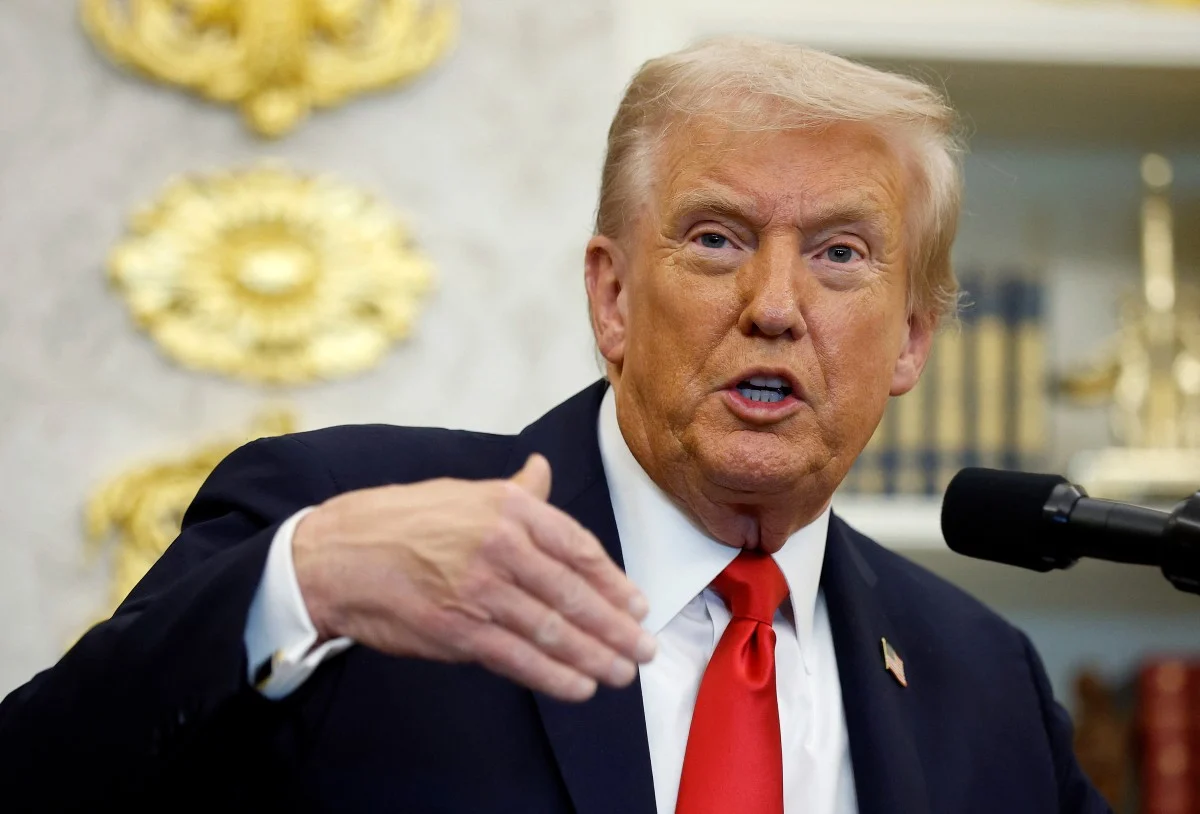
At least 5,000 Nigerians planning to immigrate to the United States may face delays following new visa restrictions announced by President Donald Trump on Wednesday, affecting Nigeria and 74 other countries.
Data from the US consulate in Lagos shows that 5,626 immigrant visas were issued to Nigerians in 2023, up from 4,219 in 2022. Analysts estimate that the majority of the 5,000 immigrant visas granted annually could be impacted by the latest measure, which aims to limit the entry of foreigners intending to reside permanently in the United States.
In 2024, a total of 70,621 Nigerians received US visas, including 63,313 non-immigrant visas—30,222 from Abuja and 33,091 from Lagos—and 7,308 immigrant visas.

A spokesperson for the US State Department confirmed that immigrant visa processing for 75 countries, including Nigeria, would be paused starting January 21, 2026, and will continue indefinitely until a review is completed. The policy targets countries considered to have screening challenges or whose migrants are deemed overly reliant on public benefits.
This development follows a recent policy requiring nationals from 38 countries, including Nigeria, to post a visa bond of up to $15,000, effective January 21, 2026. The bond addresses high visa overstay rates and security concerns.
The State Department, in a social media post, stated that the pause is intended to prevent new immigrants from becoming public charges. Countries affected include 27 African nations, 22 from Asia, 8 from Europe, 13 from North America and the Caribbean, 3 from South America, and 1 from Oceania. Notable African countries on the list include Nigeria, Ghana, Somalia, Ethiopia, and Sudan.

While the pause will impact new visa applicants, visas issued prior to the policy will remain valid. Consular officers have also been instructed to reduce the validity of other non-immigrant visas for Nigerians.
Reacting to the move, former Nigerian Ambassador to Mexico, Ogbole Amedu-Ode, criticised the ban as contradictory to America’s promotion of free movement and globalisation. He described the measure as excessive, noting that migration is a natural human activity and emphasising Nigerians’ positive contributions in the US.
Ex-Ambassador Godknows Igali acknowledged the US’s sovereign right to regulate immigration but urged consideration of bilateral relations, noting that Nigerians are largely disciplined and hardworking residents in America.

Foreign affairs analyst Charles Onunaiju suggested that the restriction reflects a broader shift in US domestic politics and global posture, warning that further tightening could occur. Ex-ambassador Rasheed Akinkoulie added that government officials and diplomats are still able to obtain visas, highlighting that the ban primarily affects ordinary applicants, with stricter conditions such as the $15,000 visa bond in place.
Observers say Nigerians should prepare for stricter requirements while diplomatic engagement continues to seek relief from the restrictions.




