

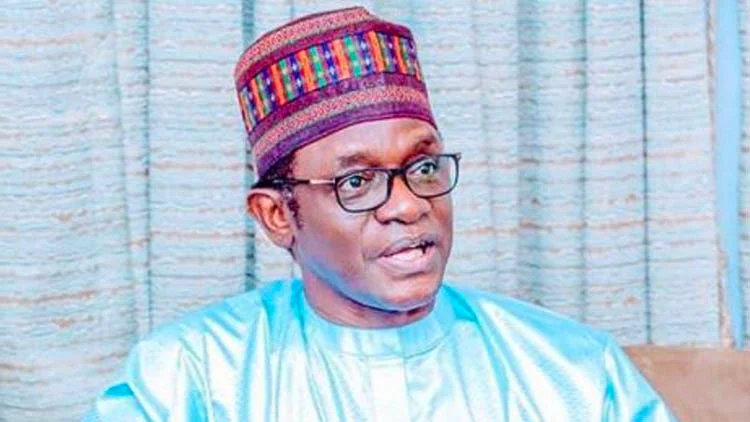
With less than a year to go before the 2027 governorship election, political activity is quietly intensifying in Yobe State as Governor Mai Mala Buni nears the end of his second and final term. Although the race is not yet public, behind-the-scenes consultations and strategic alignments are gaining pace, particularly within the ruling All Progressives Congress (APC), reports Kasim Isa Muhammad.

Governor Buni, sworn in for a second term in May 2023, is constitutionally barred from seeking re-election. This has sparked discussions across the state’s three senatorial districts—Yobe North, Yobe East, and Yobe South—with politicians, party stakeholders, and community leaders positioning themselves for the upcoming transition.
Unlike other states where succession politics often play out publicly, Yobe’s political maneuvering is largely discreet. Political analyst Abdulwahab Garba Kuciciya told The PUNCH that discussions are ongoing but carefully managed:
“Once a governor enters a final term, succession talks naturally begin. In Yobe, these conversations are traditionally private, involving elders, party leaders, and influential figures. Public campaigns are discouraged, and aspirants test their positions subtly,” he said.
Several political figures are believed to be eyeing the governorship, though none has formally declared. Frequently mentioned names include former Senate President Ahmad Lawan, Senator Ibrahim Bomai (Yobe South), and Senator Musa Kulas (Yobe East). Party insiders note that Kulas is viewed by some as aligned with the current administration, though no official endorsement has been made.
Other aspirants reportedly under consideration include Secretary to the State Government Baba Wali, Lawan Geidam, former Minister of Power Abubakar Aliyu, Mohammed Geidam, and lawyer-diplomat Kashim Tumsah. Youth and women’s groups are said to have encouraged Tumsah to consider a run, although he has not publicly declared interest.

Political analyst Ibrahim Isa explained that succession in Yobe relies heavily on internal consultations rather than early public campaigns:
“Success depends on building relationships within the party, with traditional institutions, and among community leaders. Perceived backing often reflects informal networks rather than formal endorsements. Timing and discretion are crucial,” he said.
Former officials and political elders also play a stabilizing role, mediating between aspirants and party leadership. APC member Abdulrahman Sadiq added that experience in governance often shapes political conversations and alliance formation.
Debates around zoning are also influencing calculations. Yobe East has effectively held power since 2009, after the death of former Governor Mamman B. Ali from Yobe South. Advocates for rotation argue that equitable distribution of power will help maintain party and state stability.
Civil society voices say public interest in leadership is rising, with citizens focusing on governance, development, and security. Auwal Mohammed, an activist, noted:

“Encouragement from different groups does not automatically translate into candidacy or success. Party rules, alliances, and internal dynamics will ultimately determine outcomes.”
Governor Buni has not publicly backed any successor. A close aide said maintaining party unity is the priority:
“Endorsing a candidate too early can create divisions. The governor is focused on keeping the party united and allowing the process to unfold naturally,” the aide said.
With the APC firmly in control, the governorship contest is expected to be decided largely within the party. Opposition parties, including the PDP and NNPP, are monitoring developments and preparing strategies. A PDP member, Muhammad Auwal, observed that the absence of an incumbent seeking re-election creates opportunities and intensifies competition.

Despite an outward appearance of calm, consultations and negotiations continue across the state in homes, community centres, and party offices.
“What the public sees is only a small part of the process. Most discussions are happening quietly in multiple locations across the state,” a civil society source said.



